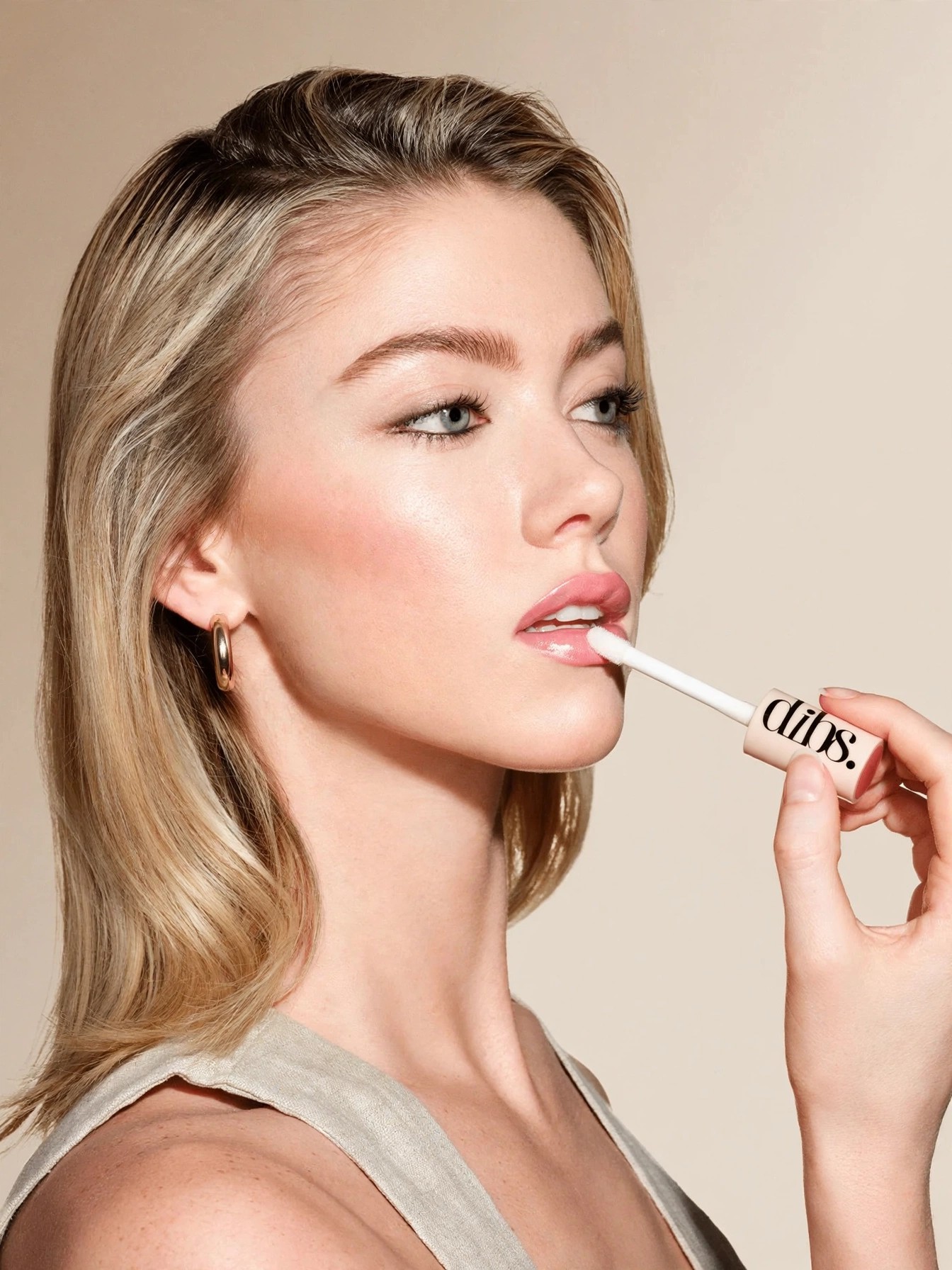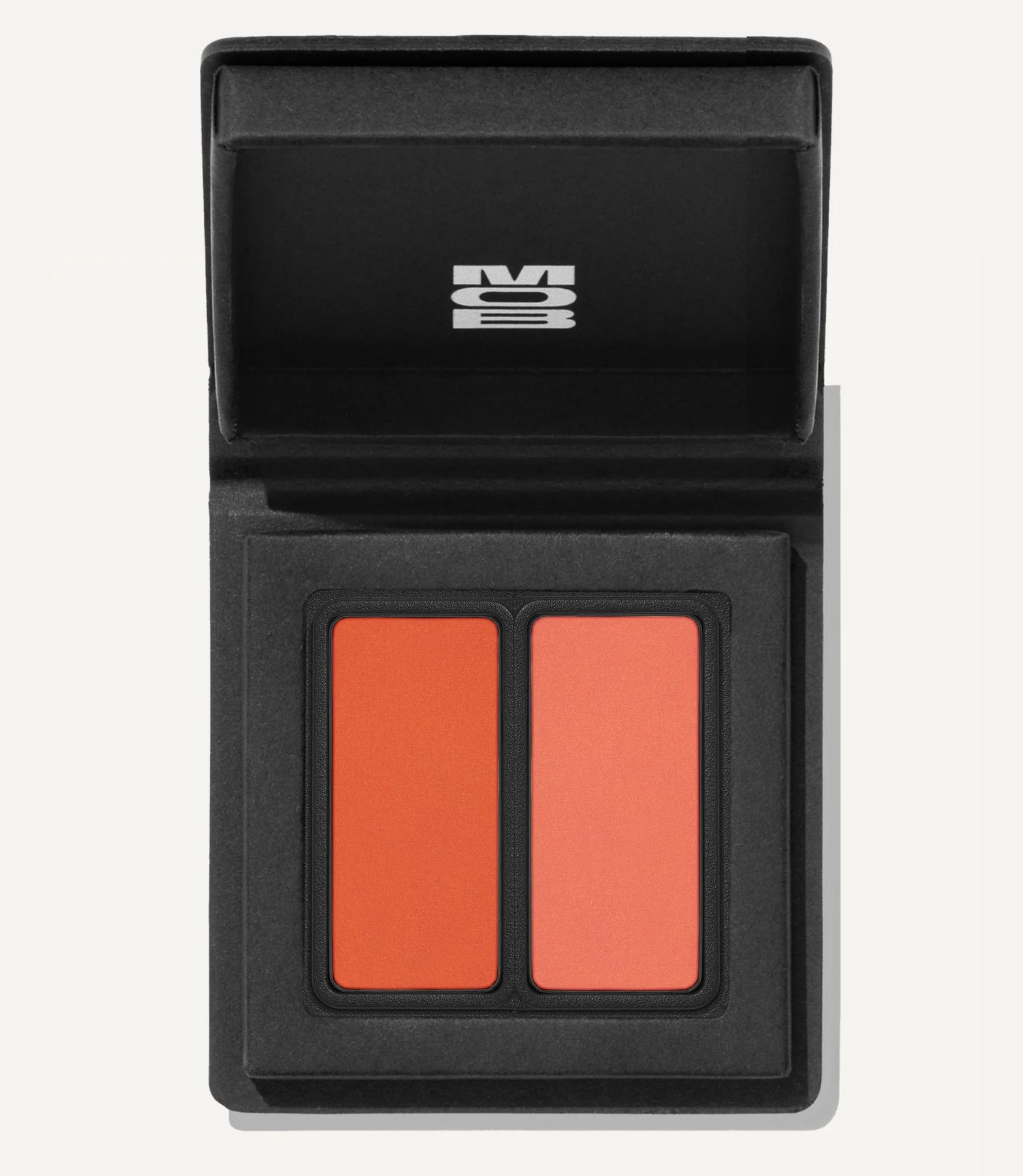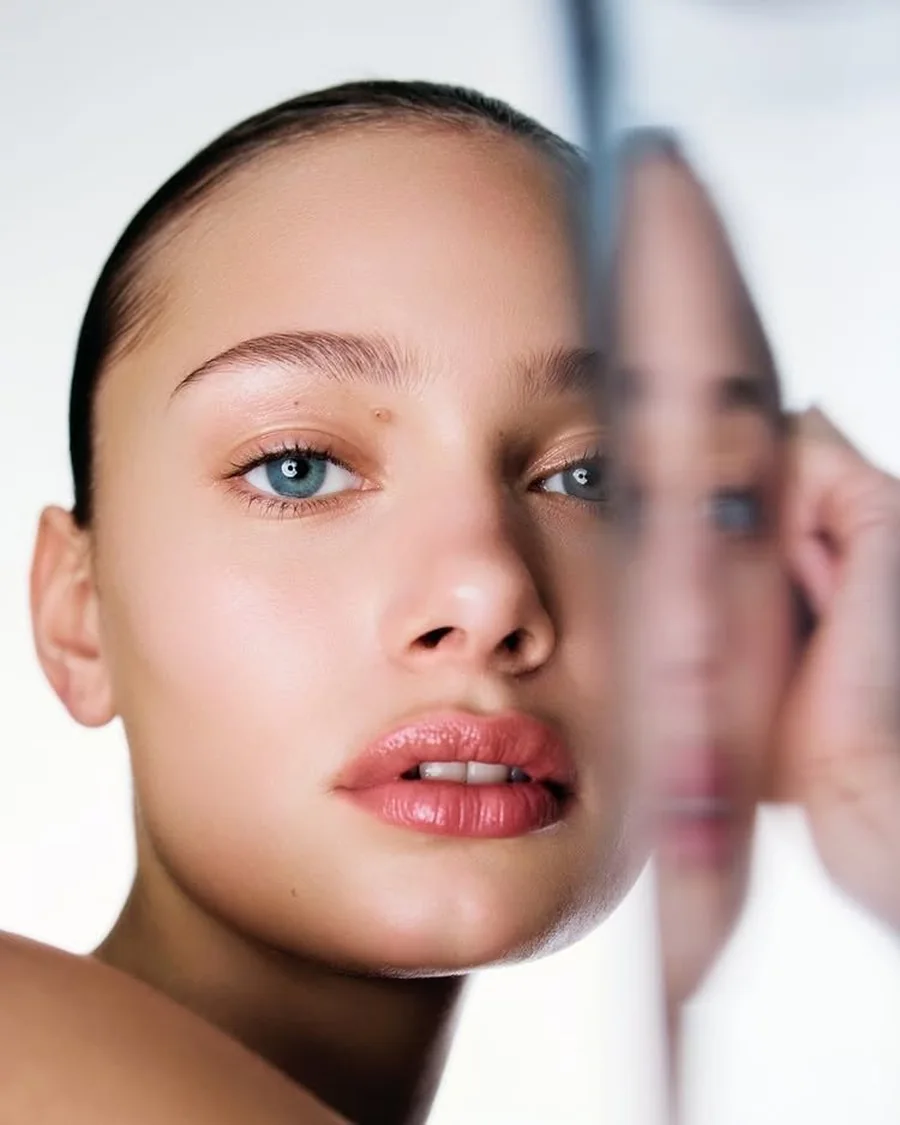
Makeup promises freedom and then sells rules. One product for eyes only, another for lips only, twelve shades that skip the deep end. Danessa Myricks built the opposite model in Farmingdale, pro pigments anyone can use anywhere on the face. This is how that idea sells through.
Colour cosmetics has a contradiction baked into the planogram. Brands talk about self expression while packaging use by committee. Eye paint that says do not wear on lips. Lip paint that cracks on lids. Shade ranges that call themselves full and stop three shades short of deep.
Danessa Myricks knows that shelf from both sides. Before 2015 she was sales and marketing director for a publisher of Black hair magazines, then a working artist who learned free for almost a year, then a consultant, including time as Benefit director of product innovation on the brow collection launched in 2016. When she started her own line she mixed creams and pigments after teaching salon classes and sold basement made kits to students.
What it became is Danessa Myricks Beauty, headquartered in Farmingdale, N.Y., run on the line BEAUTY WITHOUT BOUNDARIES. The promise is multifunctional use, from beginners to pros, for everyone. The trade calls her your makeup artist favourite makeup artist, and the assortment that entered Sephora with more than 80 SKUs still reads like a kit. Colorfix that works as base or stand alone. Pencils that line, smoke and highlight. Balm textures that blur without a filter.
What others miss is the discipline underneath the play. Myricks stayed completely self funded, built one product at a time, and refused single use logic. Gloss Report wanted to talk launches, undertones, doors and reorders. She wanted to talk about who feels welcome.
You started in publishing, then worked free for almost a year to learn artistry after your employer gave you 30 days notice when you were about 30 and a single mom of two. What did that year teach you about what a product has to do on a real job.
I was the corny nerd girl in the corner who loved watching visiting artists work. I loved the freedom they had, the way they could transform someone in a chair. When the magazine closed I had to choose. I wanted to be excited to wake up every day and be passionate about what I am doing. Freedom was always something that was this carrot in front of me.
Working free taught me everything about performance. If they are not feeling it, it is not good enough. On set or with a bride, you do not get hour two to fix hour one. The product has to pay off in one swipe, blend without fighting you, photograph true on many skin tones and still look right at hour eight. That is wear time, how long colour stays true without fading or transferring, and transfer matters when a camera is inches away. That is literally where it started. I mixed what I needed because the kit did not have it.
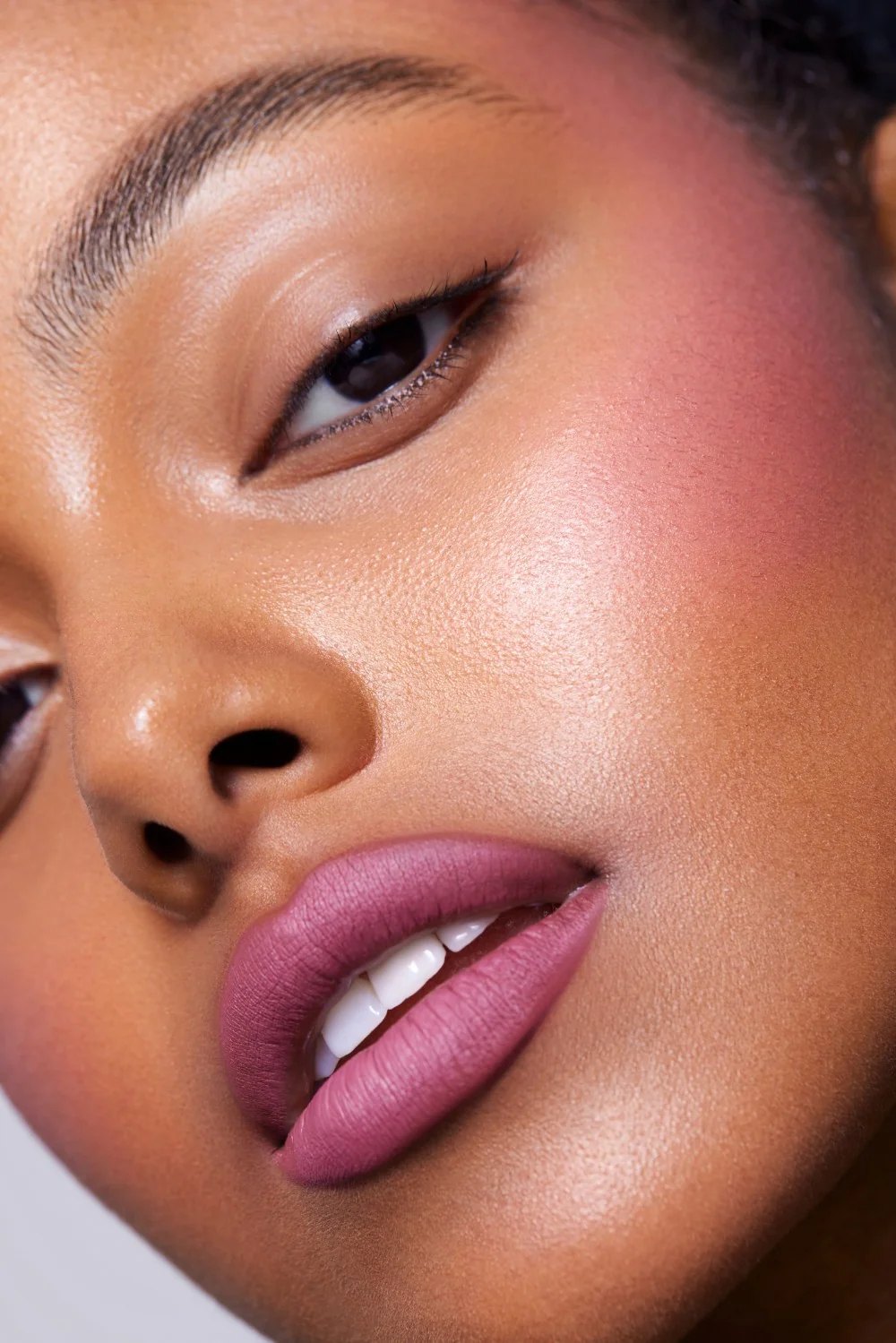
Your first launch was Enlight highlighters, made for lifelike radiance on deep skin on camera. You have said childhood bullying over complexion and acne and never finding foundation shaped you. How did that set your rules for undertone and shade range.
I did not see me. I did not see my friends. I had experience working with all of these brands, and what I found is that they had their idea of who they were creating for. When you have been bullied about your complexion and you cannot find foundation, you remember it every time you stand at a wall of beige.
Enlight came first because flash and daylight punish ashy highlight on deep skin. Undertone, the warm, cool, neutral or olive cast underneath the surface tone, has to be correct or radiance turns grey. I wanted glow that read like skin, not stripe. From there the rule stayed simple. If I cannot reimagine, rethink, rediscover, or move the industry forward, I am not going to make it. We do not launch a shade range that stops short. We test on many faces, in daylight and on camera, and if the deepest shades do not photograph beautifully, we go back.
Teaching salons, you mixed bought pigments with private label bases and sold kits after class. When did you know those basement made kits were a brand, and why build it one product at a time.
I work and get money and then I decide is it going to go to my household or is it going to go to the business. That is how the brand grew. There was no outside check. To this day we are completely self funded. We have never been able to get funding at all.
Teaching showed me the gap. Artists needed one thing that could do three jobs in a kit. Students wanted what I just used on them. So I mixed creams, pigments and mediums until the texture behaved, bottled a small run, sold it after class, then listened. If it sold through, meaning units actually sold to customers rather than shipped to a store, we made more. If it sat, we fixed it. Building one product at a time kept quality honest. It always feels uphill without funding, but it keeps you close to the artist and the housewife in Minnesota at the same time.
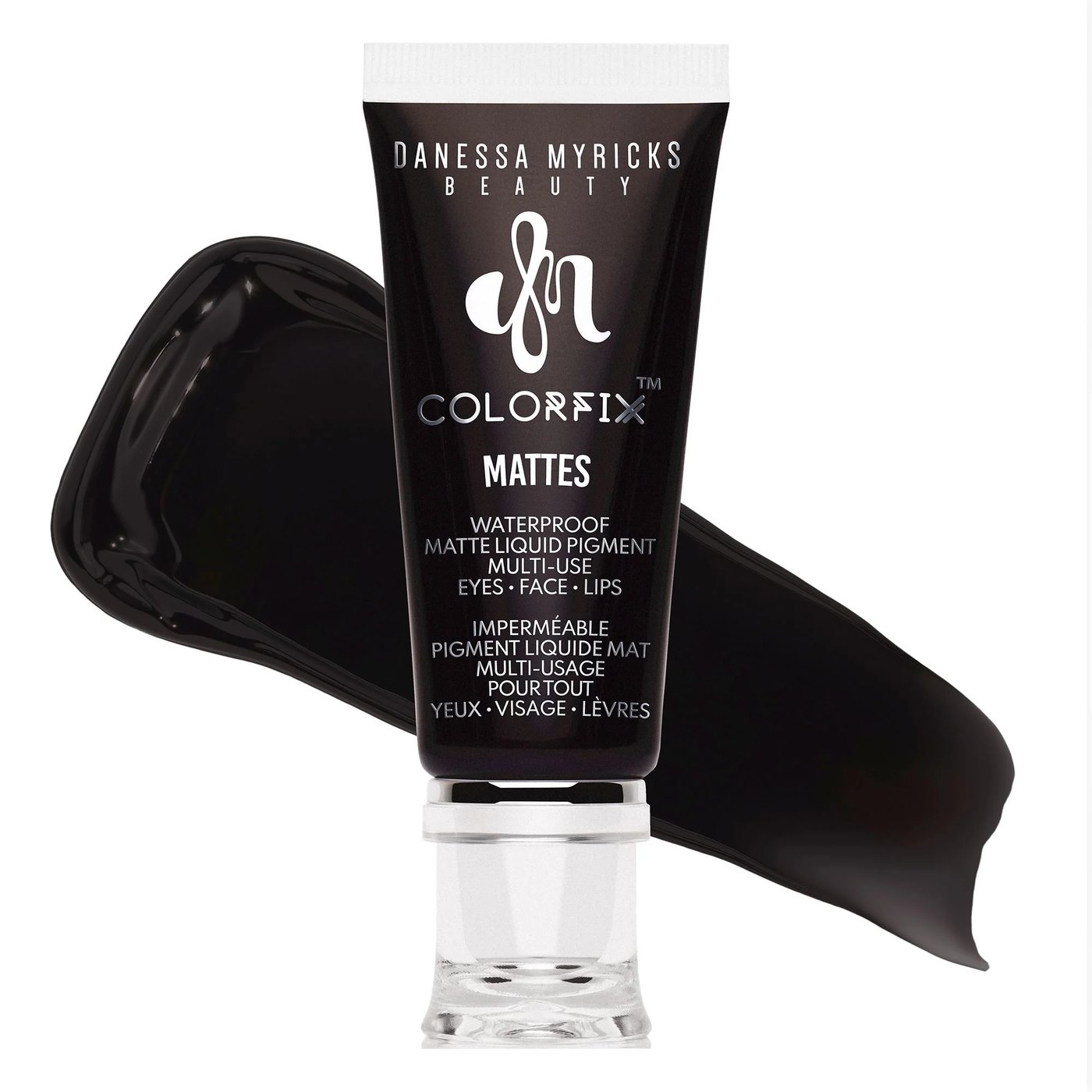
Colorfix Mattes won Best of Beauty and became the pro store staple, a waterproof, high pigment colour sold as base or stand alone shade. What formulation choices make it survive lids, lips and long days without cracking.
Pigment load matters, that is how much colour is packed into the base, and so does finish, whether it dries matte, satin or glossy. Colorfix Mattes carries high pigment but stays flexible as it sets. You can sheer it as a primer, build it as a lid colour, press it on lips. Waterproof helps with wear time and transfer, which is colour moving onto cups, masks or collars.
I formulate for everywhere on every face. There is no right or wrong in how you use it. A makeup artist needs that flexibility in the kit, fewer tubes, more outcomes. A beginner needs permission. The shade names tell the story too, Vamp, Matcha, Lemonade, Carrot Cake. Matte neutrals next to bold pastels. If the texture dragged or skipped on texture, artists would tell me fast. If they are not feeling it, it is not good enough, so we kept adjusting until one swipe gave payoff without patchiness.
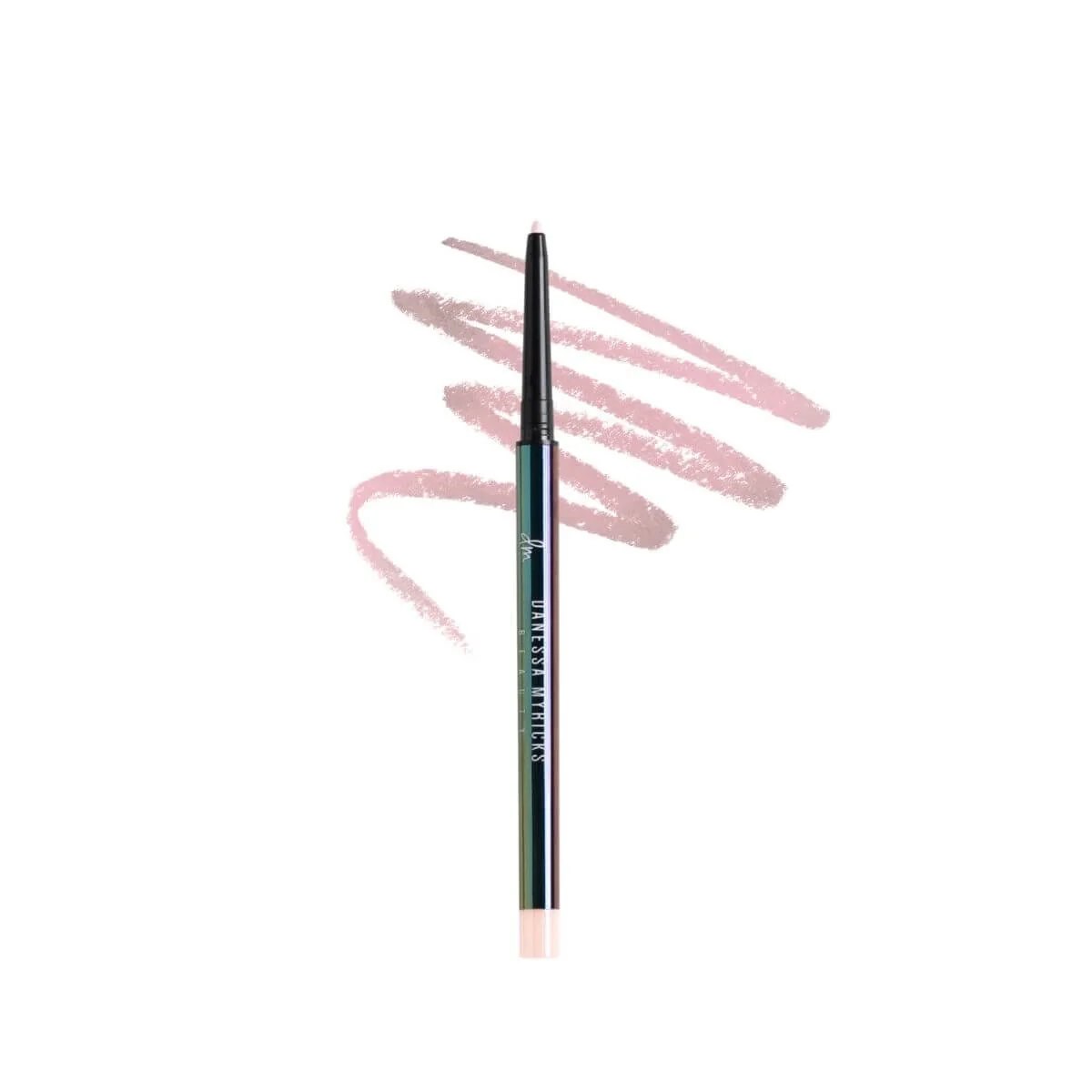
Infinite Chrome Micropencils sit in that same kit logic, pencils in shades like Treasure and Emerald that can line or smoke out. What sells a chrome pencil in a crowded pencil wall, and how should a shopper swatch it.
Do not swatch with a hard scribble and decide. Warm the tip on the back of your hand, draw once for the precise line, then smudge the edge with a finger to see the shift. Chrome is about reflect, not glitter. You want a smooth metallic pull with dimension in the dry down, how colour looks after it sets, not grit.
What sells it is ease. A pencil is the least intimidating entry to colour. You can tightline, you can wing, you can lay down a base under shadow to amplify payoff. Artists buy it because it photographs well and holds. Everyday users buy it because they can use what they already know how to hold. That is the hug idea. I really wanted Danessa Myricks Beauty to feel like a big hug, like you are welcome here, whoever you are.
If they are not feeling it, it is not good enough.
Danessa Myricks
Sephora took more than 80 SKUs after about a year of preparation, which you called a dream you did not think was attainable. What changed in your operation when you went from pro stores to that many doors.
Doors means retail locations, and each door needs stock, testers and restock speed. Going from pro stores and our site to Sephora tested everything. Labs, suppliers, fill, shade matching at scale. My trip to the Bologna trade show years earlier showed me minimums so far beyond what we could think of, and concepts so different people did not understand. This time we had sell through history to show.
Self funded means you feel every purchase order. I work, we earn, we decide household or business, then we fund the next run. We prepared for a year because a launch is not a restock. A launch is newness with marketing and inventory risk. A restock is replenishment of what already sells. If a shade extensions plan, additional depths or undertones added after launch, was going to work, we needed the supply chain to hold at volume without losing texture. That preparation kept the finish consistent from first shipment to reorder.
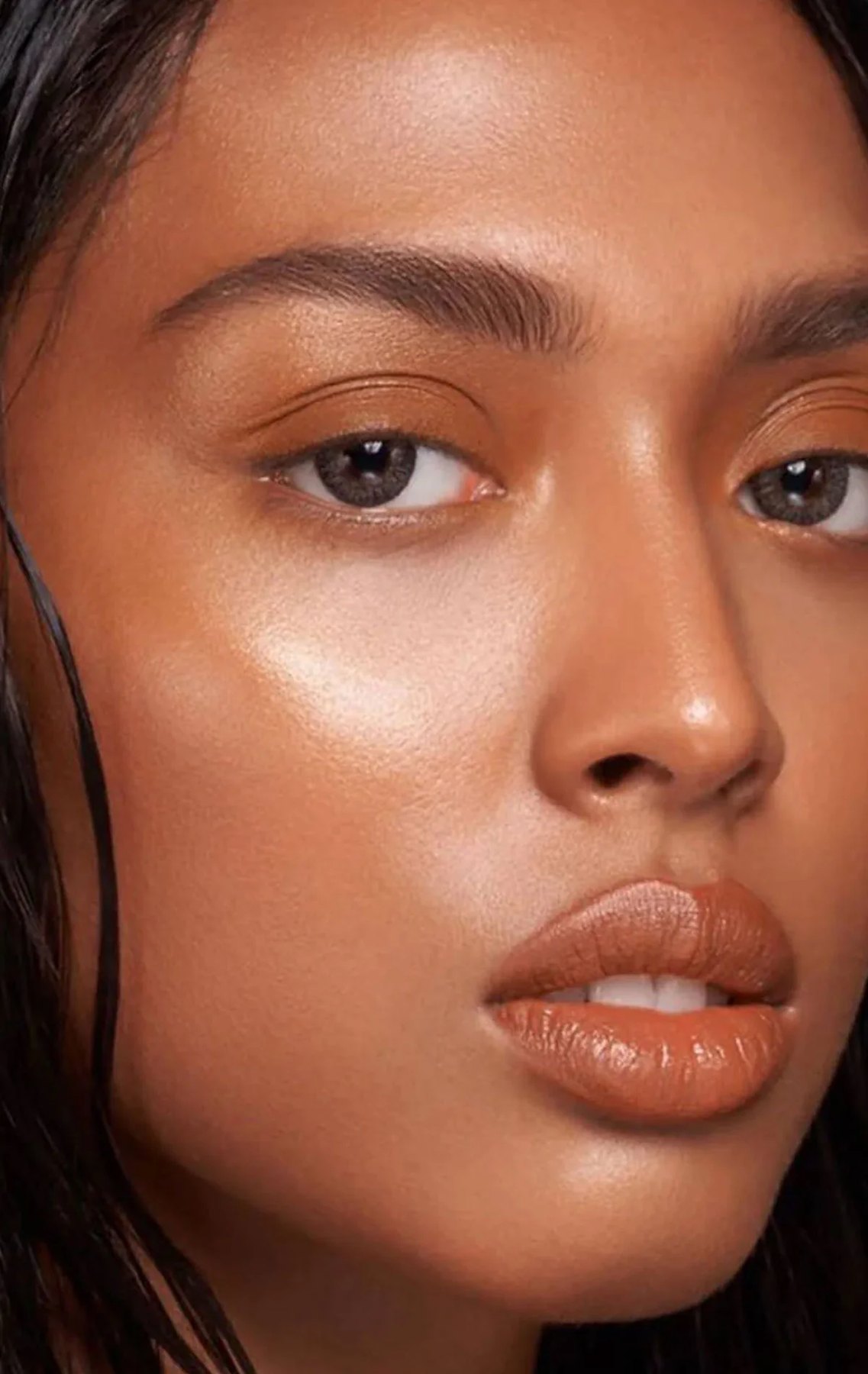
Your site says multifunctional use, from beginners to pros, for everyone. Retail buyers hear inclusive and think broad. Where has the range genuinely worked, and where would you admit it still needs depth or editing.
It works where use is truly open. Colorfix across eyes, lips and cheeks. Balm textures like Yummy Skin Blurring Balm Powder in numbered shades plus Universal translucent that prime and blur. Tints in Fair to Deep groupings that let people find undertone without a counter visit. Artists tell me the kit got lighter. Everyday users tell me they finally finished a product because they used it three ways.
Where we keep working is the same place everyone should keep working. Depth at both ends and clarity in the middle. Fair shades that do not go peach on cool skin. Deep shades with correct warmth so they do not turn ashy. And editing. More SKUs is not better if a shopper cannot find her match in a scroll. I would rather do a considered shade extension, with swatches in daylight and on camera, than flood the page. Sell harder by being clearer, not louder.
You turn down single use rules. Lips only, eyes only. How do you write shade copy and how to use guidance that keeps people safe while keeping play open.
We say what it is and where artists actually use it, then we keep the instruction simple. Use as base or stand alone. Blend fast before it sets. Sheer with Beauty Oil if you want slip. Finish refers to the end look, matte, metallic, chrome. Payoff refers to colour in one layer.
Safety is plain language. Eye safe and lip safe matter because not every pigment is approved for both areas in every market. We follow the testing and labelling for where a formula can be worn, and we do not promise beyond it. Within that, play. There is no right or wrong in the look. If a Vamp eye feels too much on Monday, wear it as a liner on Friday. If Matcha scares you, dot it under gloss. The product should invite trying, not grading.
You have stayed self funded while competitors took outside capital. What has that cost you on speed, and what has it protected on product.
It has cost speed. It always feels uphill. You cannot buy your way out of a lab delay or flood every door with inventory at once. You choose. Household or business. This shade now or that tool later. You can slow down if you need to, you can pause for a second if you need to, but just do not stop. Do not stop creating.
What it protects is judgment. No one can tell us to dupe ourselves, to thin the formula, to cut the shade range to the middle eight that sell fastest. We can keep a weird, wonderful shade because artists love it. We can reimagine a texture like a balm to powder trifecta instead of copying a bestseller. Freedom was the carrot at the start. Staying self funded kept that freedom inside the business, not just in the campaign copy.
Closing note from the desk
What stays after this conversation is how fluently Myricks speaks two languages. One is artistry, undertone, payoff, blend time. The other is retail, doors, sell through, restock. Few founders hold both without leaning on hype.
The brand set out to make beauty without boundaries, in practice that means fewer single use rules, shade work tested on camera and on deep skin, and textures that do more than one job. It is not a promise that every shade suits every face. It is a promise that more faces were considered at the start.
Product spotlight
Colorfix Mattes, 22 dollars. An award winning multifunctional colour with a matte finish that can be used as an eye base, liner or stand alone lip and cheek shade. Use a thin layer and blend quickly before it sets, then build for stronger payoff. Waterproof and long wearing for extended wear time with limited transfer.
Infinite Chrome Micropencils, 24 dollars. A metallic pencil for eyes that delivers smooth, reflective colour in shades including Treasure and Emerald. Use to line, tightline or smudge as a base under shadow. Warm the tip on the hand first, draw once for precision, then diffuse the edge for smoky dimension and dry down shine.

Whitney Doyle
Whitney runs the news desk and the kit guides at Gloss Report. She keeps one spreadsheet of every launch date, restock and shade extension of the year, and can usually tell you the week a blush sold out and the week it came back.
More from Whitney Doyle →