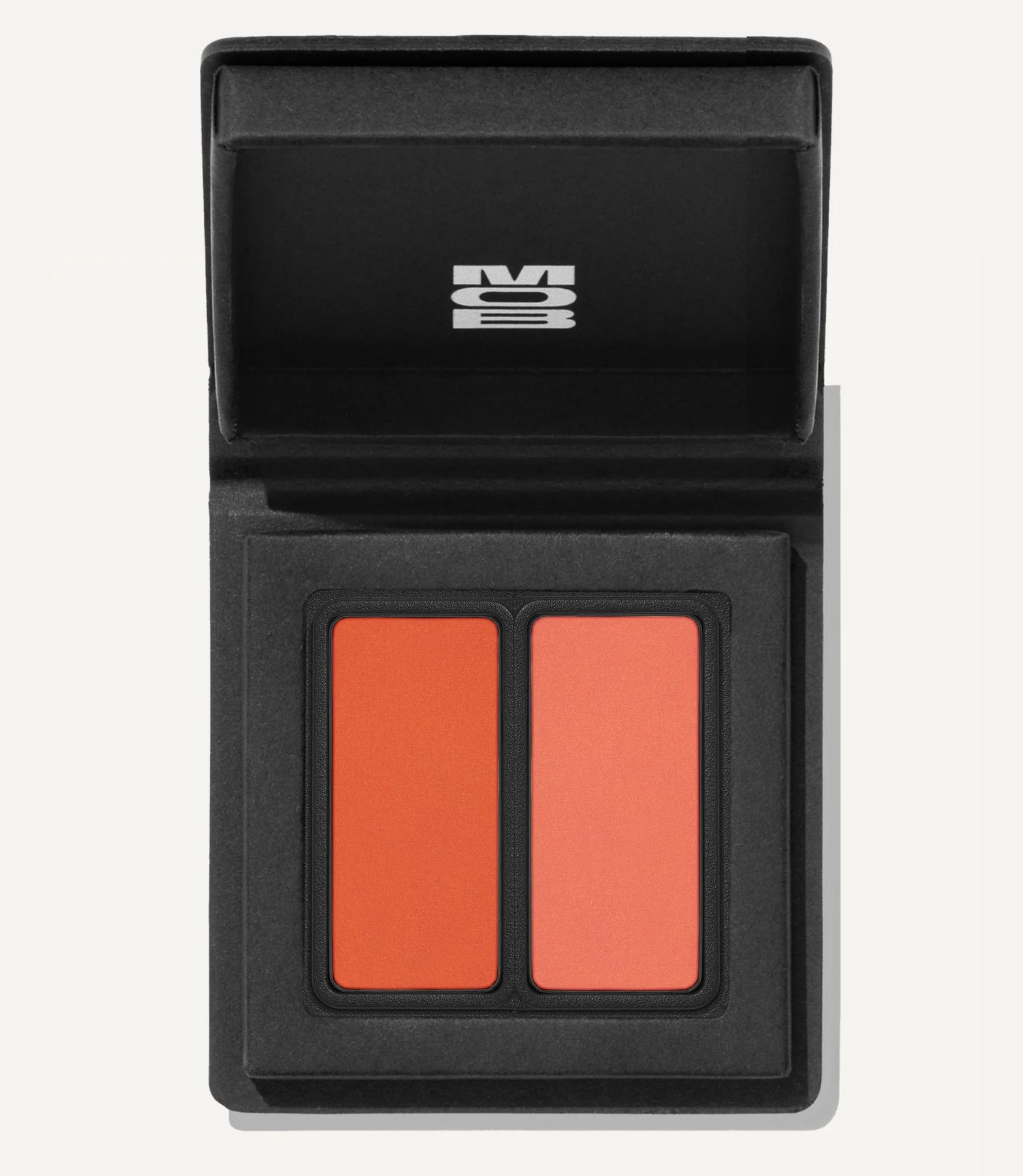
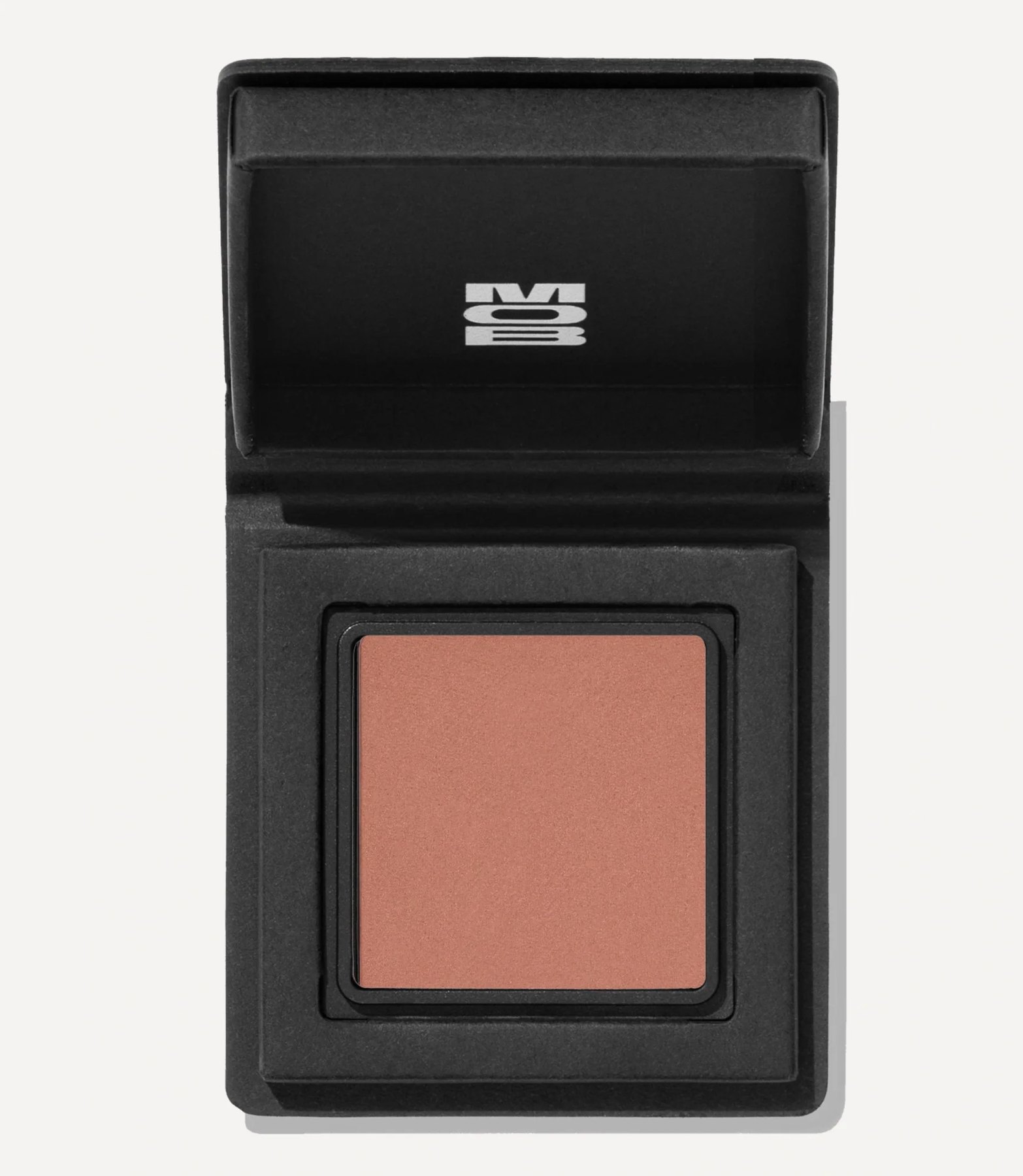
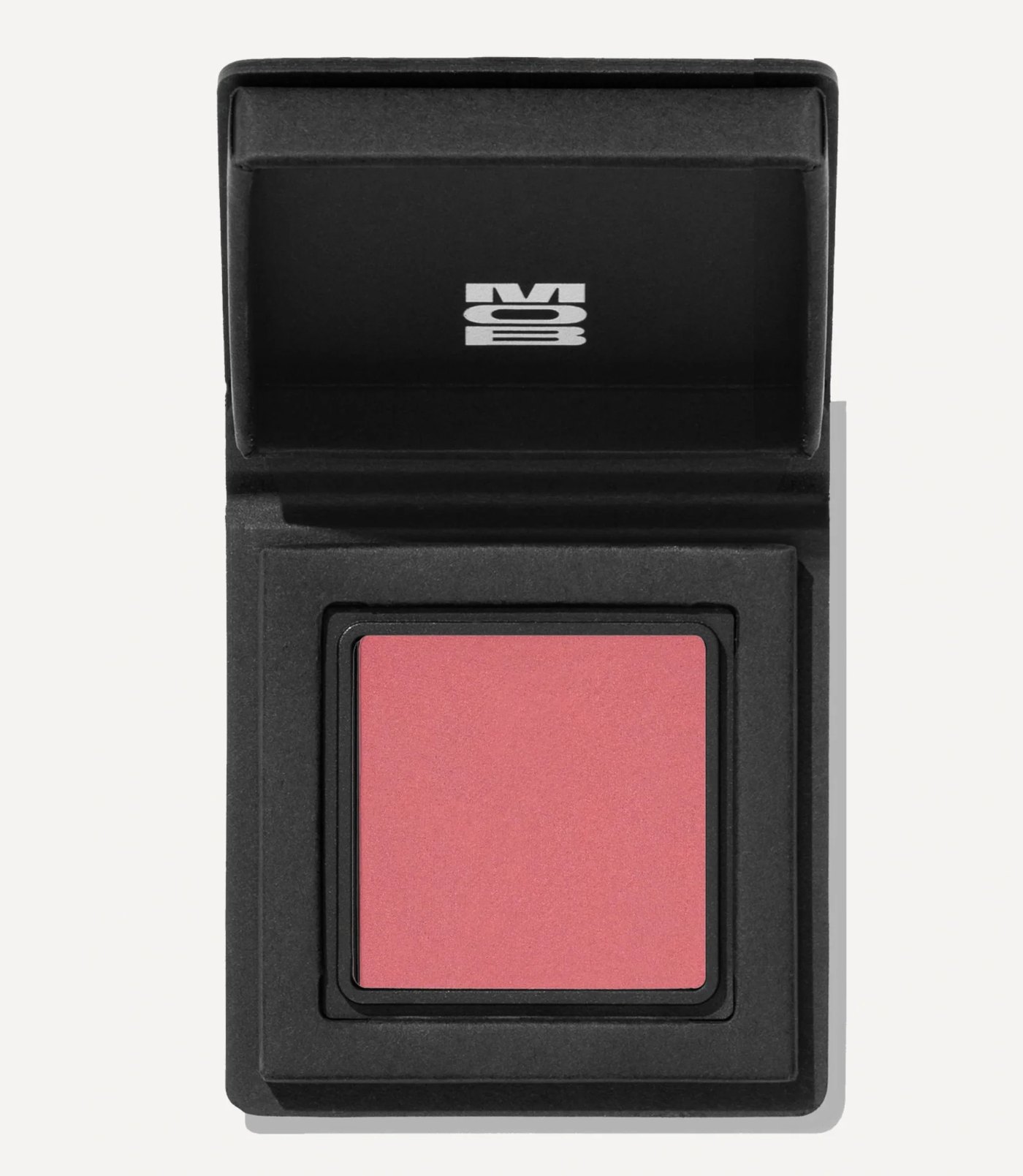
The powder Blush in M15 feels buttery under a finger, not dry, and it pops out of a compact made to return to dirt in under a year. That small click explains MOB Beauty better than any mission statement.
Victor Casale has seen the inside of makeup manufacturing for longer than most buyers have been swatching. He joined a small family run MAC as chief chemist, ran innovation at Cover FX, then started MOB Beauty in San Francisco in 2020 with Alisha Gallagher, Steve Blanchet and Beatrice Seguin. The plan was pro payoff without single use compacts.
The system they built is deliberately unglamorous. Refill pans in mono material PET and PP, palettes with more than 50 percent post consumer recycled content, biodegradable compacts and lip capsules bought once and refilled. No mirrors, no magnets, no mixed plastic. Formulas are clean, vegan and cruelty free, talc free, without silicones, petroleum oils or synthetic fragrance.
What we noticed, talking through sell through and shade work, is how fluent Casale is on both sides of the counter. He can talk pigment load and amino acid treated color in one sentence and take back bins and infrared sorting in the next. This conversation is about that overlap, where artistry meets waste, and why he thinks the industry told itself a recycling story that never held up.
You started Back to MAC in the 1980s because you saw small plastic pieces and garbage piling up behind the counter. What did that early waste look like day to day, and why did it stay with you into MOB?
Back then MAC was small and family run. We were making product by hand in a different way, and you could see the waste in real time. Small plastic pieces, shavings, compacts that chipped, lipstick components that did not fit. We were creating a lot of garbage and small plastic pieces. So we started Back to MAC.
That stayed with me because the problem never went away, it scaled. The industry now produces about 120 billion packages a year, and most of them were never curbside recyclable by material or size. When we started MOB in 2020, the question was simple. Could we make pro quality makeup that did not require a single use compact every time. Build a palette, pop in a refill, keep the palette. Buy a lip capsule once, then buy refills. It is too early to leave this industry. We need to leave it a better place.
Your about page says Quality over Wastefulness and People over Marketing. For a buyer, what does that mean in the lab when a formula has payoff but needs silicones or talc to get there?
It means we do not take the shortcut. Our criteria in MOB Labs are payoff, blend, no fall out and long wear. If a powder needs talc to spread, we reformulate. Our blush is talc free with a buttery non drying matte finish, layered sheer to saturated, with amino acid treated pigments plus chamomile and vitamins C and E. It takes longer. It costs more.
We also omit silicones, petroleum oils, micro plastics, parabens, PEGs, gluten and synthetic fragrance. We use RSPO palm only and ethically sourced mica with no child labor statements. We test with our community and with pro artists. If an artist says it dusts or fades by hour six, we go back. Quality over wastefulness is not a slogan for us. It is how we decide whether a batch is worth making.
MOB launched in 2020 with Build a Palette and refillable eye, cheek and lip pans. Walk us through the economics of that for a customer who is used to buying a new compact every time?
The first purchase looks familiar. You buy a blush in a biodegradable compact for 26 dollars, or a shadow pan for 19 dollars, and you place it in a palette that starts at 10 dollars. After that you only buy the refill. A blush refill is 12 dollars against 16 dollars in the Last Call set. That difference is the compact you did not need to buy again.
For retail, sell through means something different here. Sell through is the rate at which units sell relative to stock sent to doors, which are individual stores. A refill system lives or dies on reorders, not first timers. Doors do not need twenty new compacts to show range. They need the palette, the refill assortment and education. It is slower at launch and stickier if the formula performs. That tradeoff suits us.
Cream Clay Eyeshadow is described as a one swipe wonder with 32 shades and a powdery dry down. What is the clay doing in a cream, and how should an artist work it for wear time?
Wear time is how long color looks as intended before fading, creasing or transferring, and transfer is color moving onto skin, clothes or cups. The clay lets us keep a cream easy at application and powder like at wear. You swipe it on, it moves for a few seconds, then it sets to a velvety finish that does not feel slippery.
Use a flat brush or a finger, one layer, and let it set before layering. Neutral to playful shades all use the same base logic. Because there is no silicone slip, prep matters. Clean lids, no heavy balm underneath. For deeper undertones, sheer it first to check payoff, which is how much color transfers in one pass. Pigment load is high, so a little does the work. That is why artists kept it in kits. It reads in photos and holds under lights.
The powder Blush now lists at 16 dollars in Last Call against 26 dollars originally, with refills at 12 dollars. What sells in blush right now, and where did the shade range stop short?
Soft focus mattes that layer are selling. M15 and M19 move because they read as skin first, color second. The talc free base gives a buttery press without kick up, and color intensifies as you layer. That sheer to saturated range matters for undertone, which is the warm, cool or neutral cast beneath the skin that decides whether a pink turns coral or fuchsia.
Honestly, our depth stopped short at launch. Fair to medium moved fast, deeper shades needed extension. Shade extension is adding darker or more nuanced shades after launch to cover missed skin tones. We heard that from artists and from customers who swatch before buying and keep the receipt for anything sold as universal. A universal promise rarely survives a real swatch line. We are addressing it pan by pan rather than launching fifty shades that do not perform.
It is not wish cycling, where you throw it in a bin and all your sins are wiped away.
Victor Casale
Soft Matte Lipstick has 16 shades at 24 dollars, with a reusable Lip Capsule at 5 dollars. How did you get a clean vegan matte to stay flexible without feeling dry, and what leaves the capsule recyclable?
A matte fails when it sets stiff and then cracks. We built a flexible film without commonly used acrylates in some color, using plant waxes and antioxidants plus vitamins. Rich pigment gives one swipe payoff, and the finish stays blurring and velvety rather than tight. Finish is the surface look after application, matte, satin, glossy. Ours is soft matte, not flat.
The capsule is mono material with post consumer recycled content and no mirror or magnet. Mono material means one plastic family, usually PET or PP, which helps recyclers. We also use an Ampacet marker in dark plastic so infrared sorters can see it. Dark plastic is often missed by sorters because carbon black absorbs light. Getting consumers used to coming back with packaging and learning about the recycling process starts with packaging that sorting equipment can actually identify.
You co-founded Pact with Credo on Earth Day 2021, and the numbers are quoted two ways. Your site cites 160 plus members and 500,000 plus pounds, while 2023 press cited 154 clients and 207,000 pounds with 1,105 bins. What should a shopper understand about what Pact actually does?
Pact collects hard to recycle empties through bins and mail back. It is not as easy as just dropping something into a bin. It is not wish cycling, or throw it in this bin and all your sins are wiped away. Small pumps, caps and mixed material compacts need hand sorting and specialty processors.
The two sets of numbers reflect different dates and what was counted. Early press counted U.S. and Canada bins in 2023 at 1,105. Our site reflects later growth to more than 3,300 bins and cumulative weight since founding. Weight includes glass and mixed collections across members, now more than 160. The honest line we use in stores is this. Throw it out, and know that when you buy this product in the future, that is where it is going to end up, unless you bring it to a Pact bin. Education matters as much as bins.
Sephora moved from a soft launch in May 2022 to a full partnership in June 2023, with an Ulta pilot in March 2023. What changed on the floor when MOB entered those doors?
Doors change everything. Assortment has to read in three seconds. Shade stories have to be tight. Education has to fit on a small card. In our own store, we can explain biodegradable compacts that are claimed to compost to dirt in under a year, plus 100 percent post consumer recycled refills and palettes with 50 percent or more post consumer content. On a retail floor, that story competes with lighting, fragrance and a long queue.
What worked was artistry. Pro artists showing one swipe eye, blush layered sheer to saturated, lip refill clicked into a capsule. What sat was anything that needed a paragraph to understand. We learned to lead with payoff and wear, then explain the system. Restock is simply a replenishment order after sell through. Waitlist means demand exceeded supply and names are taken for the next shipment. We earned reorders on blush, Cream Clay and mascara. That told us the formulas belonged there even when the system was new.
Last one. MOB sells Last Call shades at 40 percent off, like Eye Duos at 19 dollars against 32 dollars. Is that clearance or strategy, and what would make MOB sell harder next year?
Both. Last Call clears shades that did not earn reorders so we are not warehousing slow color. That is basic retail health. It also funds what should sell harder, which is core depth and routine.
What would make us sell harder is boring in a good way. More true neutrals and true depth in blush and eye, clearer naming by undertone, palettes that fit a real kit, and capsules always in stock so a refill never waits on a component. People over marketing means we answer what sold through and what sat. If a beautiful blush goes to the clearance bin while a simpler one builds a waitlist, we follow the waitlist. Do beauty better, for us, is refillable packaging plus pro payoff plus honest shade work. When those three line up, the numbers follow.
Closing note from the desk
What stays with us after this conversation is the lack of romance about recycling. Casale does not promise that a bin wipes the slate clean. He talks about sorter light, pan size and mono material with the same care he gives to blend and fall out. That veteran pragmatism is rare in clean beauty, where packaging claims often run ahead of plants and equipment.
MOB set out to build beauty for a better future without asking artists to accept weaker payoff. Refillable palettes, biodegradable compacts, talc free powders and flexible mattes are the tools, not the story. The story is whether the color still looks right at hour eight and whether the empty has somewhere real to go.
Product spotlight
Blush, 26 dollars for biodegradable compact, refills from 12 dollars. Talc free powder with buttery non drying matte finish and soft focus color that builds sheer to saturated. Pop the pan from its compact into a MOB palette for a custom kit. Apply with a fluffy brush and layer for depth.
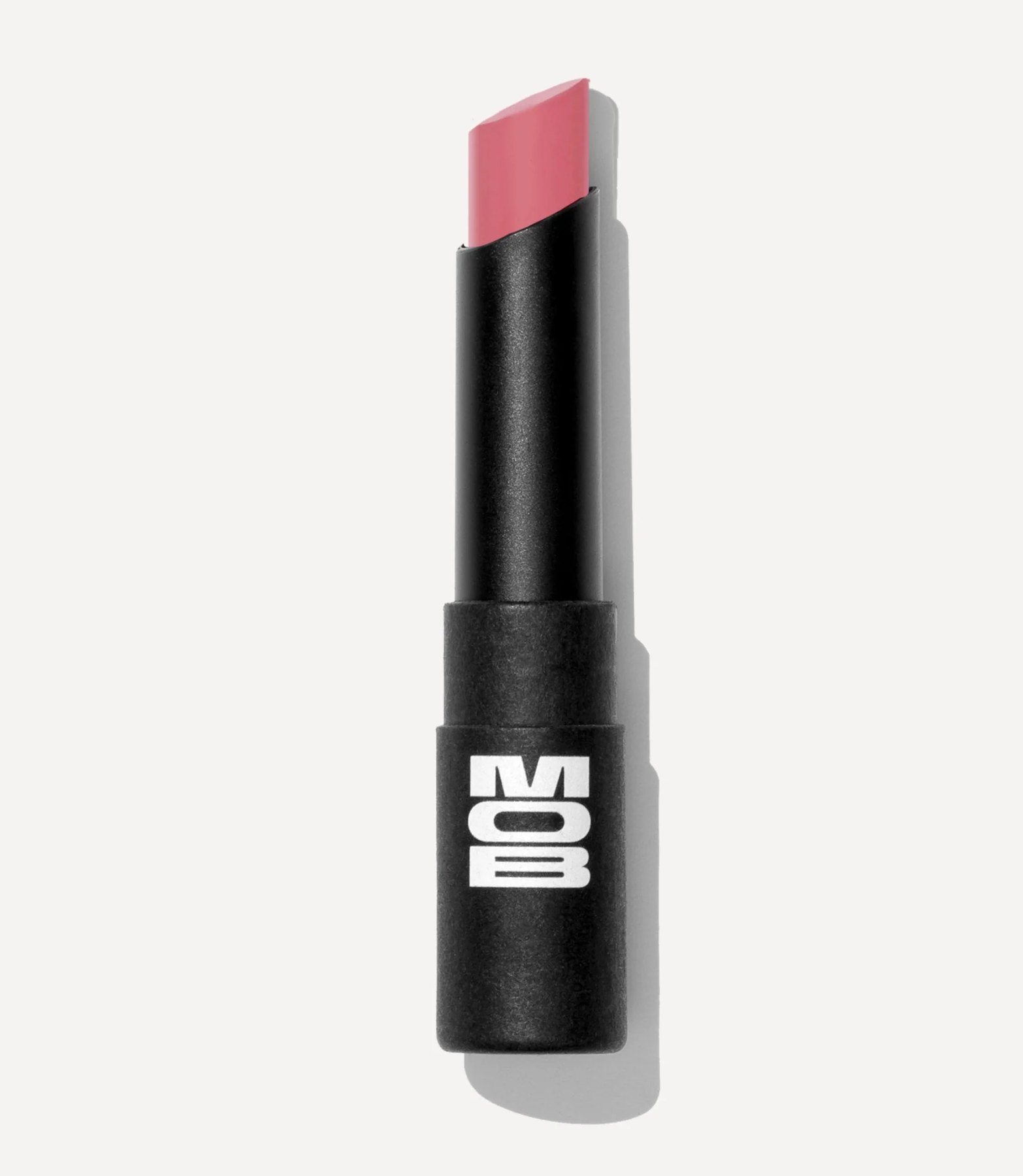
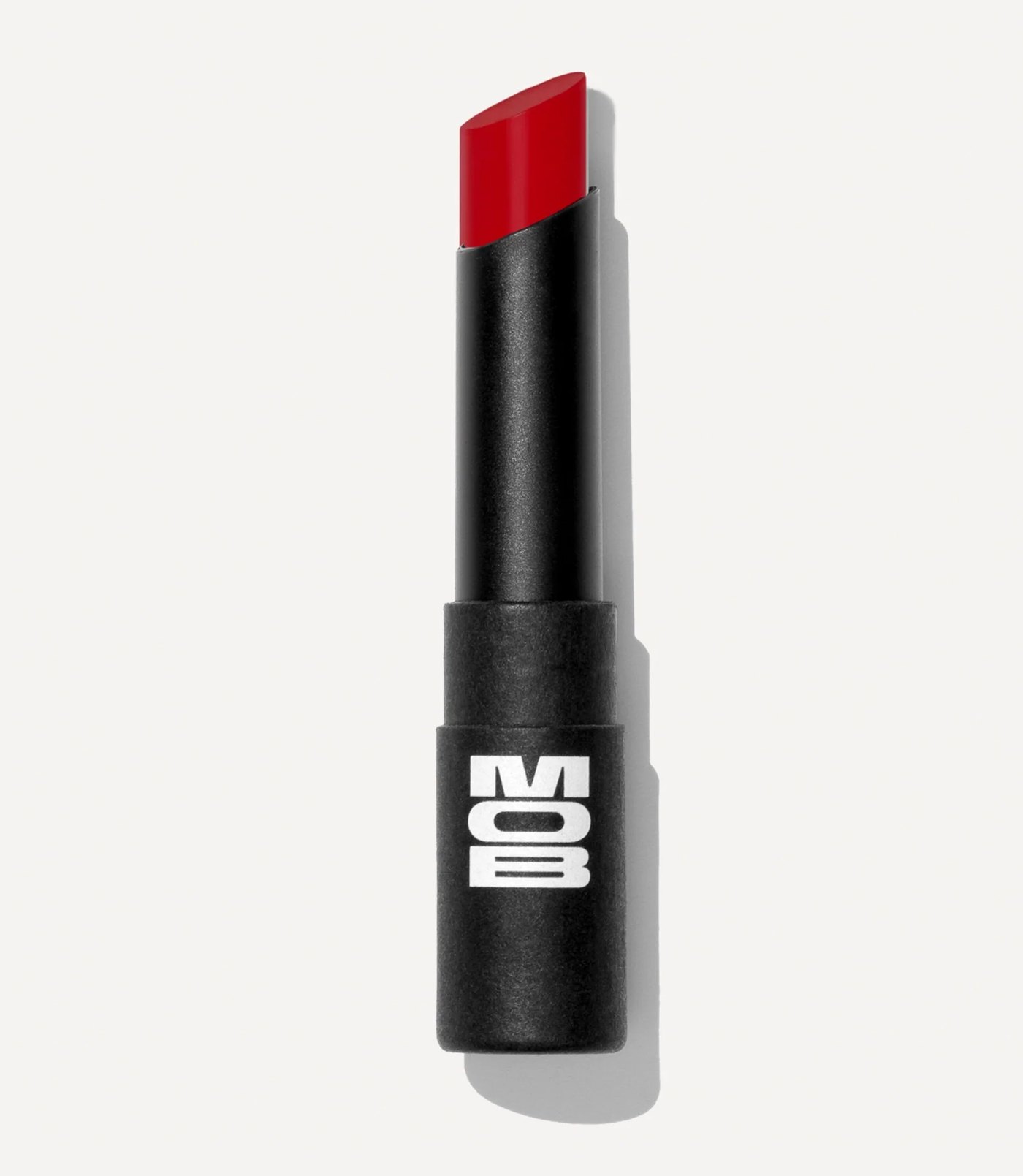
Soft Matte Lipstick, 24 dollars for refill, 5 dollars for reusable Lip Capsule. Flexible velvety matte with one swipe payoff and creamy comfort feel, made vegan without synthetic fragrance. Click refill into capsule, apply straight from the bullet and blot once for longer wear.

Kendra Pruitt
Kendra produces the founder interviews at Gloss Report: the research, the question lists, the follow-ups. She spent five seasons assisting session artists backstage in New York, so her first question is usually about wear time under hot lights.
More from Kendra Pruitt →