Ami Colé lasted four years, from May 2021 to September 2025, and it still comes up whenever founders talk about shade, undertone and the cost of shelf space. Diarrha N’Diaye-Mbaye made clean, low coverage makeup for melanin rich skin, then wrote honestly about why continuing was not sustainable. This is that story, in her words.
Diarrha N’Diaye-Mbaye did not set out to build a large colour line. She set out to fix a morning routine. Harlem born and Senegalese, raised in her mother’s Harlem hair salon, she had worked at L’Oréal and Teen Vogue and in product development at Glossier until 2019, and she knew how a tint should melt and how a gloss should sit. What she could not find was understated makeup in deep tones that let skin show through.
Ami Colé, named for her mother, launched in May 2021 with three products: Skin-Enhancing Tint, Lip Treatment Oil and Light-Catching Highlighter. The promise was plain, a five minute face for dark and deep tones, vegan and cruelty free, with buildable coverage and shine where it helped. The line later entered Sephora in December 2022, expanded to all United States stand alone doors plus Canada, took investment connected to L’Oréal, and passed three million dollars in reported outside funding.
What others miss is how clearly N’Diaye-Mbaye linked shade to operations. She talked about red undertones in the same breath as reorders, about community feedback in the same breath as formulation limits, and at the end about volatile sell through and paid shelf costs in the same breath as care for loyal customers. The brand closed, but the logic of reveal, not conceal, remains worth studying.
You grew up in your mother’s Harlem hair salon and you named Ami Colé for her, holding early events in that same room. How did those years watching hair and skin up close shape your idea of basics?
Thank you for having me. Growing up in that salon, I learned beauty before I learned business. I watched my mother work with hands that knew what they were doing, and I watched women come in and want to look like themselves, only rested and polished. No one asked for a mask. They asked for care that respected who they were when they walked out the door. That stayed with me.
When I say I wanted to provide the basics for people of color, I mean that room. Shampoo, press, oil, check the skin in daylight by the window. My mother knew undertones without calling them that. She knew which brown turned red in the sun, which black needed warmth, which finish looked tired by noon. I carried that eye into every meeting later. Early on we went back to the salon for events because that is where I think clearly. It keeps you honest. You cannot hide behind claims when your neighbor is in the chair asking if it matches.
You worked at L’Oréal and Teen Vogue, then in product development at Glossier until 2019, and you have said you wanted to have a five minute makeup look. What was missing for you on the shelf at that time?
I loved that no makeup makeup look, but I wanted to see it geared towards us as well. That is the sentence I kept repeating. At Glossier I learned how to build a product people reach for every day, how weight and finish and repeat purchase work. But when I shopped for myself, the sheer options pulled too light or too grey, or they asked me to cover more than I wanted to cover. Deep tones were either absent or treated as an afterthought, three shades added at the end.
I did not want heavy coverage. I wanted evenness, light, a lip that looked fed. I wanted five minutes. Cleanse, tint, highlight where the sun hits, oil on the lips, go. There was something powerful about seeing you in the mirror, not a different person. So the gap was not just shade count. It was intent. Who was the sheer, easy face actually drawn for. I decided to draw it for melanin rich skin from the start, not adapt it later.
You launched in May 2021 with only three products, Skin-Enhancing Tint at 32 dollars, Lip Treatment Oil at 20 dollars and Light-Catching Highlighter at 22 dollars. Why start so narrow instead of launching a full range?
Because I wanted the routine to be legible. If you are promising a five minute face, you cannot walk in with forty units. You have to show the three steps and stand behind them. Tint for evenness, highlighter for dimension, lip oil for color and shine. That was the whole pitch. We started with six shades of tint because we had to prove we could match deep skin with care, for example Rich 1 for rich, ebony skin with red undertones, and then learn from wear.
Narrow also let me listen. Community was key to ideation from the beginning. People told us in messages and at the salon what turned ashy by hour six, what transferred onto a collar, what felt like too much. With three products you can hear that and act. With thirty you drown it out. I had come from places where launch calendars were crowded. I wanted this to feel like a counter where someone looks at you properly, not a wall that shouts. Basics done well felt more useful than breadth done fast.
Your Skin-Enhancing Tint is described as a soft focus fluid made to reveal, not conceal, a BB cream feel with buildable coverage plus moisture with baobab seed oil in a 1 oz and 30 ml tube at 32 dollars. What did reveal, not conceal mean in formulation terms?
It meant sheer but not thin. I wanted coverage that evened without hiding. Think tinted moisturizer more than foundation, a fluid you can sheer out with fingers and build only where you need it. The finish had to look like skin in daylight, not powder, not film. On deeper skin, the wrong undertone reads grey by midday, so we paid close attention to red and golden warmth and how the pigment held after oils came through.
The moisture part mattered because many of us are balancing dry patches and shine at once. Baobab seed oil gave us that conditioning slip, so the tint moved easily and did not cling. The idea was support for the look of smoother, more even skin, not a claim to change skin. You press it in with hands, you check the jaw, you go. If you need more on a dark spot, you tap a second layer. That control is the point. Makeup that lets you decide how much of yourself you show that day.
Your Hydrating Lip Treatment Oil at 20 dollars for 4.5 ml and 0.15 oz, in the signature rosy brown Excellence, is an oil to gloss that nourishes, protects, adds shine and sheer color. You once likened the idea to Laneige plus Bite lip masks with an old school MAC gloss finish. What lip were you picturing?
A lip that looks looked after. Growing up, gloss was not extra. It was finish. I wanted that high shine memory without the gluey drag, plus the comfort of a mask underneath. Excellence is that rosy brown I kept reaching for, deep enough to show on rich lips, sheer enough to stay soft. It adds color but it still reads as lips, not paint.
The texture brief was specific. It had to glide, hold shine for a reasonable wear time, and leave lips feeling supported, not stripped when it faded. People use it alone for a daytime polish or over liner when they want more definition. I like a generous wand load, one pass, press lips together, go. For melanin rich lips, which can show dryness fast in wind or air conditioning, that mix of oil slip and gloss shine solved a daily need. It was the fastest way I knew to look finished when you had nothing else on.
That no makeup makeup look is so popular but I wanted to see it geared towards us as well.
Diarrha N'Diaye-Mbaye
Sephora took the brand in December 2022 and later carried it in all United States stand alone doors plus Canada, and coverage linked you to L’Oréal investment at that stage. What changed when you moved from direct selling to that many doors?
Everything about the math. Direct tells you who loves you. Retail tells you how fast you move in a crowded set. We were proud to be on that floor. Press by Vogue, Allure and Marie Claire helped, and fans like Kelly Rowland and Mindy Kaling brought new eyes. Awards followed, including the 2021 Beacon Award, and our first year brought a reported 350 press features and 15 awards. But doors mean sell through by week, restocks, tester units, education for staff who meet hundreds of faces a day.
One week product moves straight through, another week no units move, and rent for prime space still comes due. Deep pockets help big brands pay for position and absorb a slow month. A small team cannot. We had three people listed at one snapshot, which tells you how lean we were. I learned to read the business in reorders and returns, not headlines. Shade work gets you in the door. Repeat purchase and steady sell through keep you there. That lesson was expensive and useful at once.
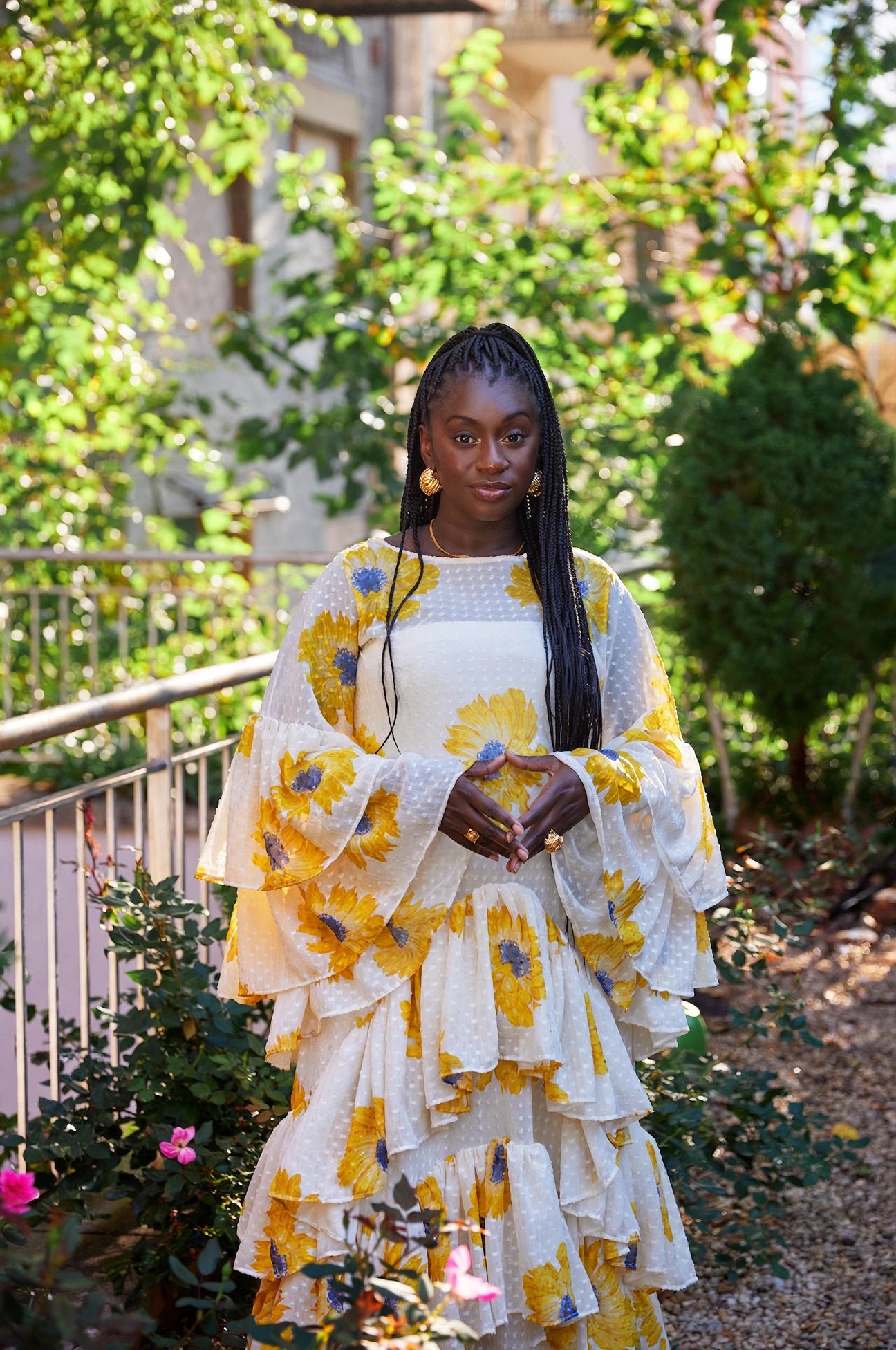
You raised more than three million dollars in total, with early reporting of one million dollars pre launch and backers including G9 and Greycroft plus Hannah Bronfman and Lindsay Peoples Wagner. You later said you rode a temperamental wave of appraising investors whose attitude toward equity and betting big on inclusivity shifted after 2020. What was the tradeoff you felt?
The tradeoff was attention. Instead of focusing on the healthy, sustainable future of the company and meeting the needs of our loyal fan base, I spent too much time managing investor sentiment. In 2020 many firms said they wanted to bet big on inclusivity. By 2023 and 2024 the tone had changed. The questions got shorter, the checks got slower, the patience for building shade by shade thinned. I am among the Black women founders who raised more than one million, and I do not take that lightly, but milestones do not pay for manufacturing minimums or returns.
A venture backed structure wants fast growth. A community brand needs steady growth. Those clocks tick differently. I kept choosing the customer in my head while performing growth on calls. That split is tiring and it shows in decisions. You chase a door count to please a deck instead of fixing the shade extension or the pump that actually drives loyalty. I would ask any founder now, whose calendar are you living on. Ours slipped toward theirs, and I felt it.
On July 17, 2025 you published a piece in The Cut explaining the decision to close, saying after looking at every option it became clear that continuing in this current market was not sustainable, with a shutter planned for September after four years. Why write it yourself, and what do you want readers to take from it?
I wanted to say it plainly and in my own voice. My beauty brand offered Black women shades they could not find elsewhere. That is true and I stand by it. It is also true that truth does not cover payroll when sell through is volatile and prime shelf space comes at a price that favors corporate brands. I did not want rumors to fill the gap. I wanted customers who trusted us with their faces to hear the reasoning directly.
Writing it let me name the market as I saw it. A good product with loyal fans can still fail if the costs around it, manufacturing, retail terms, content, returns, keep rising while funding retreats. I closed to protect people and to stop pretending another bridge would fix a structure that needed different economics. What I want readers to take is not sadness but clarity. Support is not only praise. It is purchase, repurchase, telling a friend the exact shade, showing up at restock. That is what keeps a brand alive.
You have said you still believe in beauty at every level and you are looking forward to discovering what comes next, and through a retail partnership you said you continue the mission to make clean beauty more inclusive. If someone kept one Ami Colé habit, what should it be?
Keep the mirror test. There is something powerful about seeing you in the mirror, and I mean that as practice, not slogan. Check undertone in daylight, not only in store light. Match jaw and neck, not hand. Let skin show where it is clear and add only where you want balance. That habit respects time and money. It is also how I formulated, from the face outward, not from trends inward.
I still believe in beauty at every level, from salon chair to lab bench to counter. The mission to make clean beauty more inclusive did not end when we stopped shipping. It lives in every founder who starts with deep tones instead of adding them later, in every artist who mixes two shades without apology, in every shopper who returns what turns grey and says why. I am proud we offered basics that honored melanin rich skin with vegan, cruelty free formulas and a soft focus that revealed. If you learned to ask for that, we did our work.
Closing note from the desk
What stays with the desk is the discipline of the offer. Three products, six tint shades at launch, one clear routine, and language that stayed in the lane of appearance and wear. N’Diaye-Mbaye could talk undertone and doors in the same sentence, which is rare, and she wrote her own ending when the numbers no longer held.
Ami Colé set out to make clean, low coverage makeup that matched melanin rich skin without asking it to cover up. For four years it did, in a tint that revealed, a rosy brown oil that finished the face, and a highlighter that added light where it helped. The company closed in September 2025. The standard it set for who gets matched first remains open for others to meet.
Product spotlight
Skin-Enhancing Tinted Moisturizer, 32 dollars for 1 oz and 30 ml, is the brand’s sheer base for dark and deep tones, including Rich 1 for rich, ebony skin with red undertones. It gives buildable, BB cream like coverage with a soft focus finish plus moisture with baobab seed oil. Press a small amount into clean skin with hands and build where needed.
Lip Treatment Oil, 20 dollars for 4.5 ml and 0.15 oz, is an oil to gloss for shine and sheer color, led by the signature rosy brown Excellence. It nourishes and supports the look of smooth, comfortable lips while adding a high shine finish. Wear alone for daytime polish or over liner for more definition, reapplying as needed.

Kendra Pruitt
Kendra produces the founder interviews at Gloss Report: the research, the question lists, the follow-ups. She spent five seasons assisting session artists backstage in New York, so her first question is usually about wear time under hot lights.
More from Kendra Pruitt →