On weekends a kindergarten teacher spread minerals across her attic table in Portland and mixed base after base for her teenage daughter, working toward a powder that felt creamy and disappeared into skin. That quiet routine became Alima Pure. Twenty one years later the site carries a closing banner, but the formulas still explain a lot about shade, restraint and clean colour.
Weekends were for mixing. Kate O’Brien was teaching kindergarten during the week, grieving the loss of her mother and her aunt within eighteen months, both to complications of breast cancer, and looking for something steady to do with her hands. She started with natural skin care, then mineral makeup for her daughter Sara. Friends asked for jars. The attic project grew.
What it grew into was specific. Alima Pure, founded in 2004 in Portland, Oregon, built its name on Satin Matte Foundation made from four hypoallergenic ingredients, mica, titanium dioxide, zinc oxide and iron oxides, with a shade system organised by undertone and depth. Vegan, gluten free, certified by BDIH and later noted as the first colour cosmetics company to become a B Corporation, it stayed small at fourteen people and kept production local.
What others missed was how trade minded O’Brien was beneath the soft language. She talked about iron oxide grades, batch testing, pigment documentation and refillable compacts with magnetic pans in the same breath as self expression. Gloss Report wanted to know how that discipline played at the counter, where payoff, wear time and shade range decide what sells through and what gets marked down.
You describe teaching all week and spending weekends nurturing yourself by making natural skin care, then makeup. What did that attic setup actually look like, and when did friends asking for products turn into a line.
Thank you for having me. I loved teaching kindergarten but I was quietly grieving. Teaching is very outwardly focused, and on weekends I needed something inward and careful. I started making natural skin care for myself, then natural makeup for my daughter Sara. She was a teenager and I wanted something safe that she could wear without my worrying.
My setup was simple. A table in the attic of our house, small bowls and spoons and jars, notebooks with proportions. I spent months working on getting the proportions right so that it would have a light creamy feel and just disappear weightlessly into the skin. That was the test. It had to look like skin, not powder.
From that Alima grew organically. Friends started asking for products and it grew. I was a mother and a kindergarten teacher, not a beauty insider, so I did not come in with a launch calendar. I came in with a base that worked and a sense that with commitment and imagination one could accomplish just about anything.
Your promise is makeup that does not compromise, luxurious and high performance and made with clean ingredients. For a buyer that usually means tradeoffs. What did you refuse to use, and why.
We believe in minimal ingredients for maximum impact. Our foundation has four hypoallergenic ingredients. Mica, titanium dioxide, zinc oxide and iron oxides. That is it. We stayed free of parabens, sulfates, phthalates, dimethicone, petroleum, talc, bismuth oxychloride and nanoparticles. They were absolutely never tested on animals.
The logic was practical as well as philosophical. Loose mineral powder forms a veil over your skin, rather than sinking into your pores, so your skin can actually breathe. For sensitive buyers that veil matters. It gives buildable coverage without a long list of binders and slip agents. We wanted makeup that would enhance what you love most about yourself without hiding who you are.
People sometimes asked why we did not add more to make blending easier or the range cheaper to make. My answer was that every addition had to earn its place. If it did not improve wear or comfort or shade truth, it stayed out.
Foundation is the cornerstone of your line, in your words. Talk us through the four ingredient base like a formulator. What does each part do on the face across eight hours.
Foundation is my favorite product and the cornerstone of our line. Mica gives slip and a soft satin finish, which is how a dry powder can still feel creamy. Titanium dioxide and zinc oxide give opacity and coverage. Iron oxides give colour. That is the whole foundation, and when the proportions are right it disappears weightlessly.
On the face that means light layers that build. You dip the brush into the jar and collect a small amount of powder. You work it evenly into the brush by swirling it in the makeup cap. Then you apply all over the face. Less is more, then add where you need it. Payoff here means colour release from a small amount of powder, and finish here means satin matte, not flat and not dewy.
Wear time comes from fit rather than film. A thin veil sits on skin and holds through a normal day without settling the way heavier bases can. Sensitive skin liked it because there was so little to react to. That restraint was the performance.
You built an extensive foundation shade range around Cool, Neutral, Beige, Warm and Olive, depths one to nine. Shade range is where many clean brands stop three shades short. How did you think about undertone and depth, and where were you strongest.
We sought to redefine makeup as an empowering tool of self expression through our extensive range of foundation shades. That sounds grand, but at the counter it meant undertone first. Undertone is the underlying hue that helps a shade look natural, cool or warm or neutral or olive, separate from how light or deep it is. If undertone is wrong, no amount of blending saves it.
We organised by families, Cool and Neutral and Beige and Warm and Olive, then depths one to nine. That grid helped customers and artists swatch with intent. Swatch once on the jaw in daylight, check the edge where it disappears, then check again after ten minutes. Loose minerals can deepen slightly as they settle, so patience helped.
I will be honest about limits. Our depth at the very deepest end needed continued work, and retailers told us so. Where we were strongest was through the light to medium to tan depths with clear undertone separation, plus a real olive option that many mineral lines skipped. That is what sold through and what artists reordered.
Your BDIH certification required a higher grade iron oxide than the United States required at the time. What did that cost you, and why chase a German natural seal for an American mineral line.
Every batch is tested for safety. That was non negotiable. The FDA is famous for not regulating many cosmetic chemicals, but they are fussy about pigments, and minerals are pigments. We kept documentation for everything sent to us.
For BDIH, which is a German standard for natural cosmetics, we needed a higher grade iron oxide than the United States required. They are all processed in countries with good environmental records, and we had to prove it. That meant sourcing work, paperwork and cost at a moment when we were still small.
We did it because clean needed proof. We just became a B corporation, a certified sustainable business, and BDIH sat alongside that. It told a sensitive buyer and a cautious retailer that someone outside the company had checked. It also forced discipline on supply. If a pigment lot did not meet the standard, we did not use it.
I spent months working on getting the proportions right so that it would have a light creamy feel and just disappear weightlessly into the skin.
Kate O'Brien
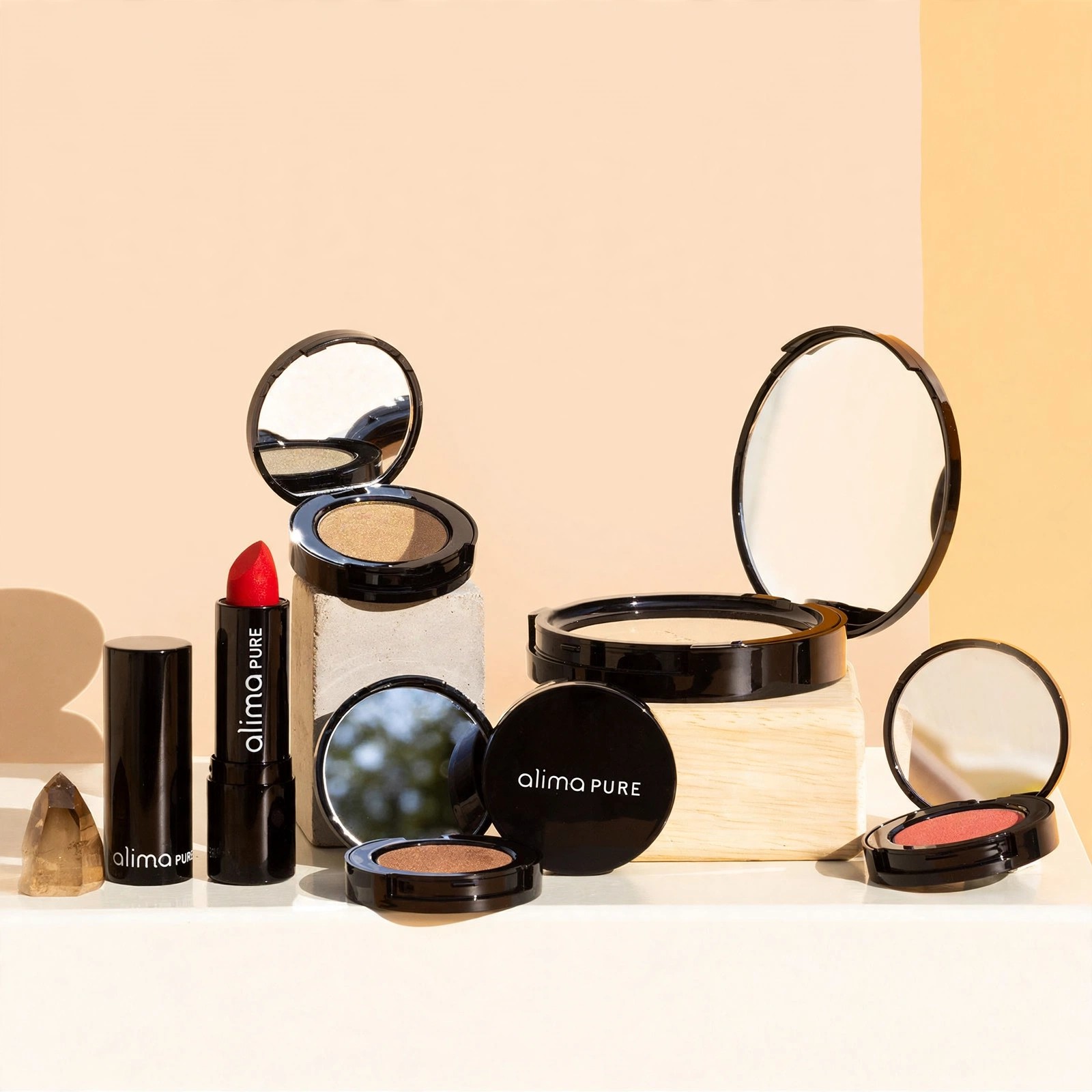
You have said you love mattes, whole categories of them. Satin Matte Blush and Satin Matte Eyeshadow sit beside foundation in your cannot live without list. What makes a good matte for a working kit, and how should a shopper swatch it.
Ha, that is hard. Can I choose whole categories. I love mattes. A good matte in a kit has to do three things. It has to pick up evenly, release evenly and stay where you put it. No dust storm in the pan, no patch on the cheek at hour six. Pigment load, which is simply how much colour is packed in, should be high enough that one light layer shows, but not so high that a beginner cannot blend it.
For blush, smile lightly and swatch along the cheek, then sheer it out toward the temple. You want to see undertone truth next to foundation, not just brightness in the jar. For eyeshadow, swatch in a single stroke on the inner arm, then a packed line beside it. The first shows everyday payoff, the second shows what an artist can build for evening. Transfer here means movement off the intended area, and our mattes were built to keep transfer low.
LipTint and mascara and later eyeliner rounded the eye and lip, but mattes were home. They photographed calmly, they layered well over mineral base, and they suited the customer who wanted colour without shine.
In August 2008 you did a packaging and website makeover to break through a crowded mineral market, saying charming design could communicate beautiful and natural in a modern way. What sold through after that, and what sat.
Our strategy then was to break through the crowded marketplace with a charming design that communicates the essence of our brand, beautiful and natural, in a modern way. The mineral shelf was crowded and many jars looked alike. We needed packaging that said Portland and calm without looking homespun.
What sold through was foundation, always foundation, then brushes that helped people use loose powder correctly. Blush and eyeshadow followed once shade was matched. Doors, which is trade language for retail locations, liked the refillable compacts with magnetic pans because they gave a reason to return. Restock, which means reordering what sold, was steadiest in core neutral and warm depths.
What sat were shades bought as dupes, meaning near copies of something seen online, without checking undertone. And any finish that fought the base. A shimmer over satin matte can work, but if the base match is off, nothing on top saves it. Education moved units more than novelty.
You ran carbon neutral since 2008, one percent of gross revenue to environmental giving since year one, renewable power and recyclable boxes with a jar send back program. How did that footprint shape price and size, and what would you tell a founder weighing refills now.
We committed early. One percent of our annual gross revenue, sales not profit, went to environmental work. We were carbon neutral since 2008. We used renewable power, recyclable boxes made with post consumer content, and refillable compacts with magnetic pans. Customers could send jars back.
That shaped price in a plain way. Refills and small team production cost more per unit than large runs of disposable packs. Our Satin Matte Foundation at four point five grams listed at thirty two dollars in the United States, with closeout pricing by shade later, and a six point five gram listing in Canada showed how size and market change the maths. Sell through, the share of stock that actually sells, had to stay healthy because we could not hide waste in volume.
My advice is to design the refill first. If the pan, the magnet and the compact do not fit perfectly, customers will not repurchase. And count the mailers, the labels, the tissue. Sustainability lives in those details, not in the headline.
The site now reads Alima Pure is closed for business, thank you for twenty one amazing years of support. Your daughter Sara, later brand director, once called it spare work she loved from the attic. How do you want artists and customers to remember the brand, and what should they buy while stock remains.
That banner is hard to read and honest to keep. Twenty one years is a long time for an independent brand. I started it in 2004, and it grew from friends asking for products to a line that spanned foundation and eyeshadow and blush and LipTint and mascara and brushes and eyeliner by 2014. My daughter Sara grew up alongside it and later served as brand director.
I want artists to remember shade honesty and restraint. Four ingredients where four would do. Documentation where documentation was owed. No nanoparticle shortcuts for opacity, because that would defeat the purpose. Portland gave us bike lanes and farmers markets and food carts, and a culture that made healthy living feel normal rather than niche.
If stock remains through retailers, start with foundation matched by undertone, then Satin Matte Blush in a matte that suits your depth. Use a proper brush, swirl into the cap, build thin layers. Makeup should enhance what you love most about yourself without hiding who you are. That sentence still says what we set out to do.
Closing note from the desk
What stays after this conversation is method rather than myth. A teacher’s notebook, a table in an attic, months on proportions, then paperwork on pigments and pans. O’Brien did not chase novelty. She chased fit, in shade, in finish and in footprint, and she kept the ingredient list short enough to defend.
Alima Pure set out to make high performance colour from clean ingredients for sensitive buyers, with undertone clarity and refillable packs. The closure ends sales, not the lesson. Buy the base that disappears, learn your undertone, and keep the brush work simple.
Product spotlight
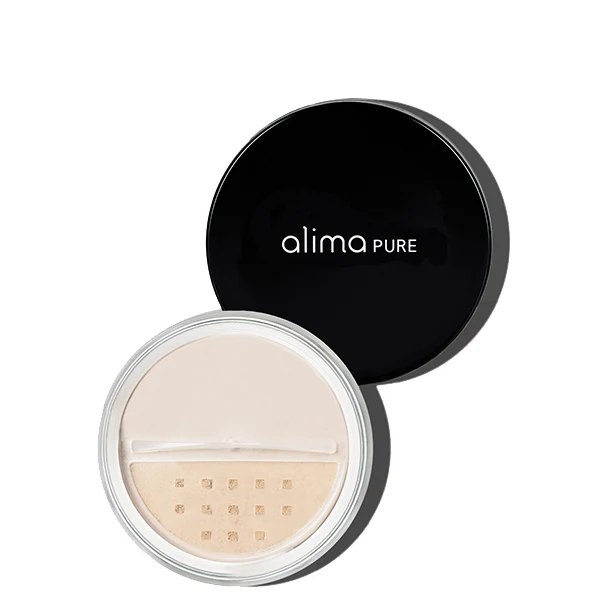
Satin Matte Foundation, thirty two dollars for four point five grams, with closeout from eighteen to twenty four dollars by shade while stock lasts. Four ingredient loose mineral base for buildable satin matte coverage that sits as a veil rather than sinking in. Swirl a small amount into the cap and apply over the face in thin layers.
Satin Matte Blush, size and price not found after shop closure, listed by the founder among essentials alongside eyeshadow, LipTint and mascara. Loose mineral colour intended to layer over matched foundation for a soft matte flush. Check undertone in daylight and build from one light layer rather than starting heavy.

Kendra Pruitt
Kendra produces the founder interviews at Gloss Report: the research, the question lists, the follow-ups. She spent five seasons assisting session artists backstage in New York, so her first question is usually about wear time under hot lights.
More from Kendra Pruitt →