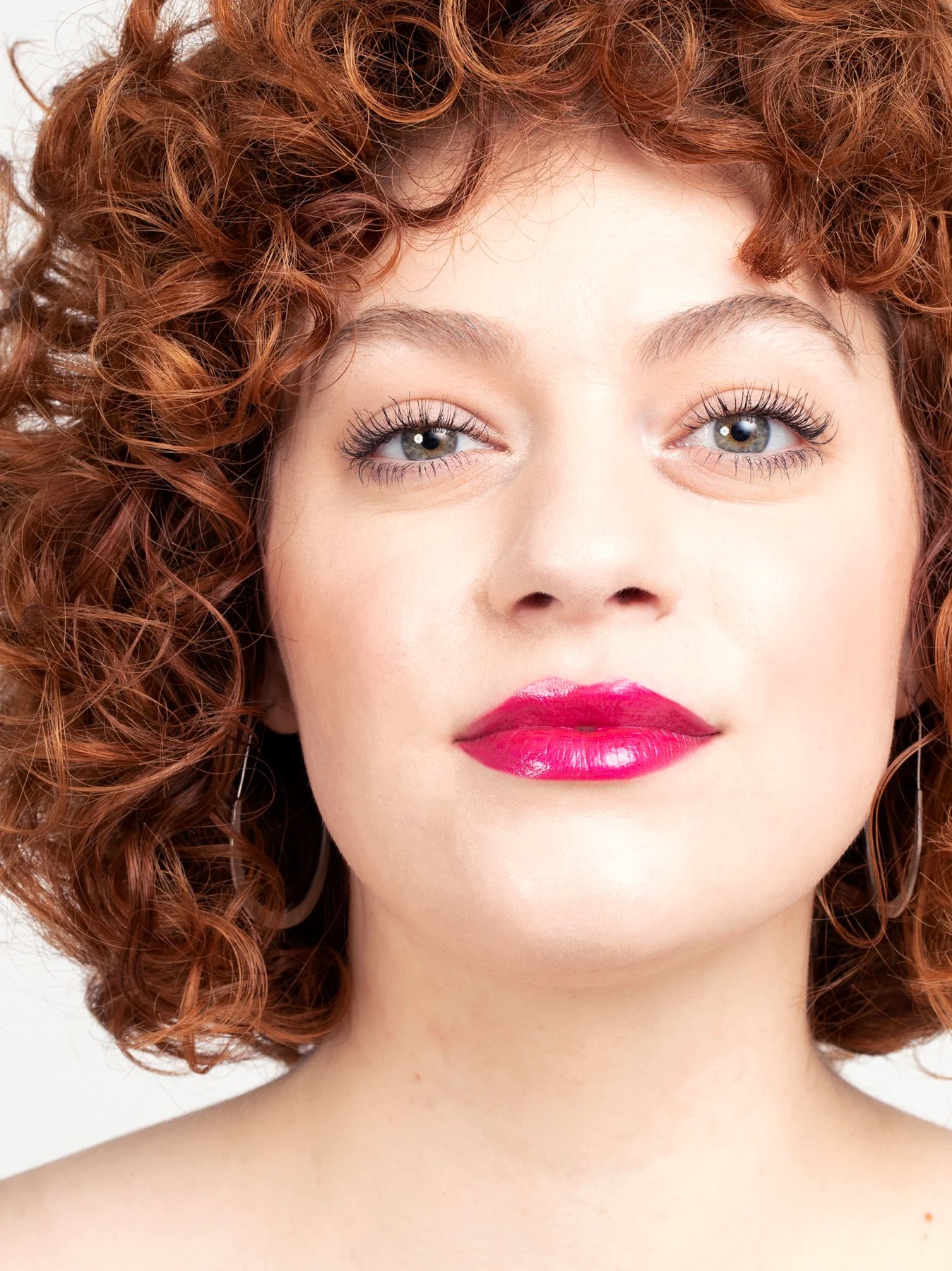
Au Naturale began when a nuclear analyst in Washington decided bare skin should not be the only answer to breakouts, ground minerals in a coffee grinder, and found a waitlist forming for shades that behaved like conventional color. Fifteen years later the line is still made by hand in Green Bay.
Ashley Prange was blending pigments in her kitchen in Washington, D.C. after someone taught her how. She had a day job as an analyst for the Nuclear Regulatory Commission. She had reactive skin that flared with conventional color. She did not have a business plan.
What she had was a grinder that used to make coffee, a set of minerals, and a stubborn question. Clean color by day looked polite and faded by lunch. Conventional color gave payoff, finish and wear time, which is how long a formula looks right before it breaks down, but left her skin irritated. She wanted bold color that stayed, made with ingredients she could defend.
That kitchen experiment became Au Naturale Cosmetics, launched in October 2011 from a private lab in Green Bay, Wisconsin. The promise has stayed consistent: clean, vegan and ethically sourced cosmetics, made from scratch by hand, with full spectrum color and all day stay. The tradeoffs are spelled out on the site. No animal testing, no animal ingredients, no parabens or synthetics, no nano particles, no gluten, no fillers. Color comes from non nano Ecocert and Cosmos titanium dioxide and iron oxides, plus sustainably mined mica described as child labor free.
What others miss is how operational that promise is. Prange audits suppliers, keeps production in house, and limits the palette to what ethical minerals can do. It is a buyer story as much as a founder story: doors at Whole Foods and later Ulta, a Birchbox Earth Month feature, a range that grew past 150 colors, and a lab team that mixes, pours, packs and ships direct.
Thank you for sitting down with us, Ashley. You have said you never really thought of having a business, you were just blending pigments in your kitchen in D.C. for yourself after you were taught how. What did those first coffee grinder batches teach you about payoff and irritation that still shapes the line.
Thank you for having me. I never really thought of having a business. I was just blending pigments in my kitchen in Washington, D.C. for myself after I was taught how to do it, and I was solving my own problem. I would wear conventional makeup for payoff, which is the color impact you get on first swipe, and then I would pay for it with chronic breakouts and irritation. If I went without makeup, my skin calmed down, but I missed color.
The grinder taught me two things quickly. First, minerals could give real color if I respected pigment load, which is how much pigment sits in the base relative to fillers and slip. Second, the base mattered as much as the pigment. Once I replaced my routine with healthy, ethical ingredients, my skin supported the work instead of fighting it. People saw the samples glow and asked for their own, and a waitlist formed. Once a nuclear analyst in Washington, D.C., I left that job to tackle an even bigger challenge, to create bold, long lasting color without the chemicals that caused my breakouts. That is still the filter. If it does not wear and it does not respect skin, we do not make it.
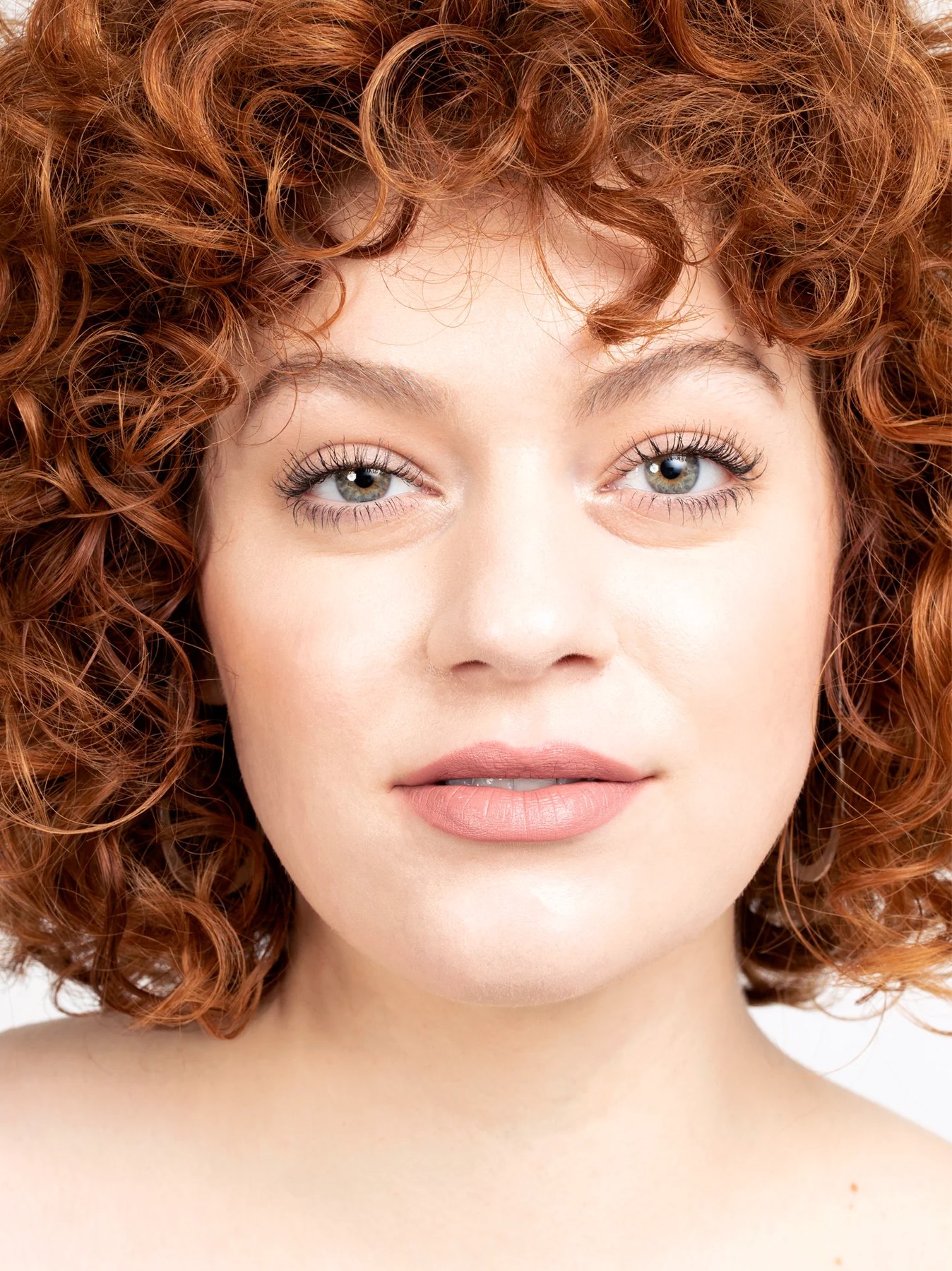
You left regulatory analysis to build a Clean Beauty Revolution in Green Bay, with product made from scratch by hand daily. Why keep the lab in Wisconsin when most color brands outsource, and what does in house control buy you on shade and quality.
We are committed to creating colorful products that are conscious of people, planet and process. That sentence only works if we control process. Our lab in Green Bay is private. We mix, pour, package and ship direct, and we make from scratch by hand daily. When you outsource, you gain speed and you lose sight. You do not always know who touched the mica, how the oils were stored, or why a batch shifted warm.
Staying local while selling globally sounds odd for beauty, and I understand that. Green Bay keeps us honest. We audit every supplier. We choose fair trade farm partners where we can. We use USDA Certified Organic ingredients when possible, and we are clear that minerals are pure but not living so they are not organic. For color we take a purist stance. We refuse to partake in unethical sourcing practices that are harmful to people, animals or the environment. That means non nano Ecocert and Cosmos titanium dioxide and iron oxides, and sustainably mined mica. It limits what we can promise, and that limit is the point.
Your ingredient standards read like a refusal list: no animal testing, no animal ingredients, no parabens, no synthetics, no nano particles, no gluten, no fillers. Leaping Bunny plus PETA vegan is rare to hold together. What was hardest to formulate around, and where did you accept a smaller shade range to keep the standard.
The hardest part was color itself. Anyone can make a sheer tint that behaves. What we wanted was full spectrum color play with all day color stay, made with good for you ingredients that support skin care. To do that without synthetics, without nano, without carmine, without fillers, you have to work harder on dispersion, which is how evenly pigment spreads through oils and powders, and on the base oils that carry it.
We hold both Leaping Bunny and PETA approval. Leaping Bunny means no testing by us or our suppliers, with audits we renew annually. PETA covers our 100 percent vegan position, so no carmine, no beeswax, no lanolin. That removes the easiest reds and the easiest creamy structures. We rebuilt reds with ethical mineral pigments and plant oils like organic castor, jojoba, cocoa, shea and sunflower. In su/Stain we also use Sustainable Palm Done Right palm oil plus vitamin E. If a shade needed a synthetic dye or an animal derived pigment to hit intensity, we did not make that shade. I would rather explain a gap than defend an exception.
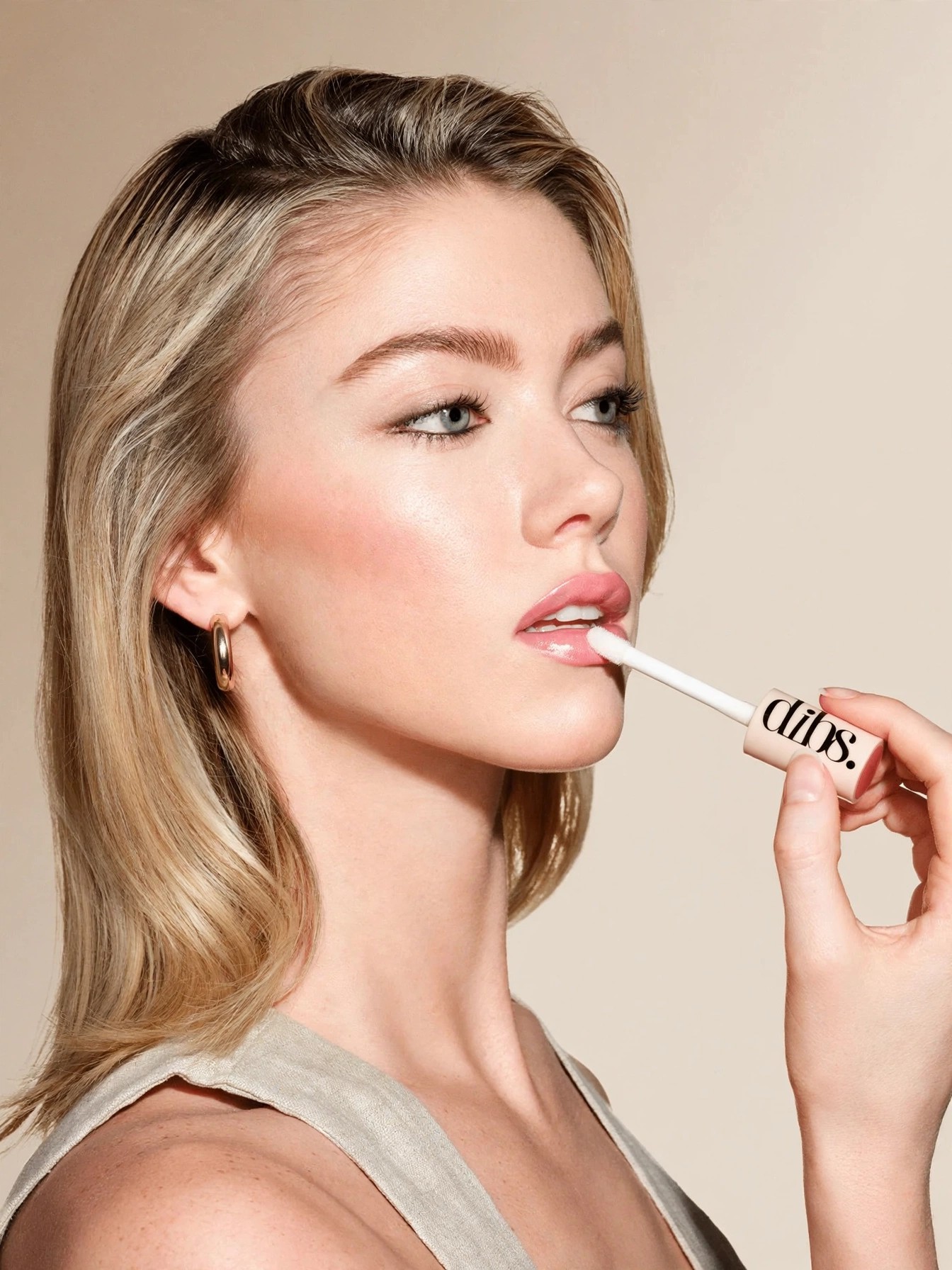
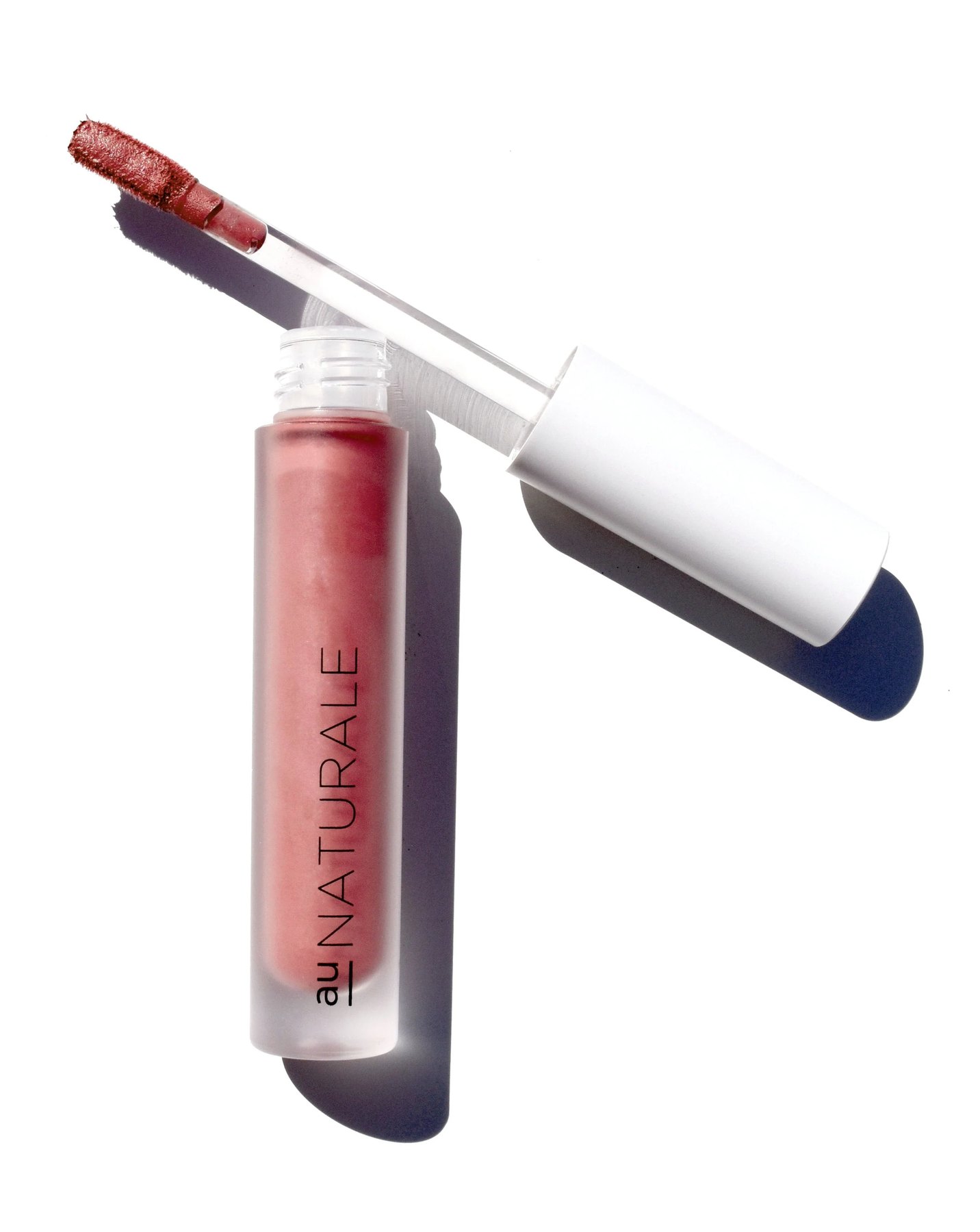
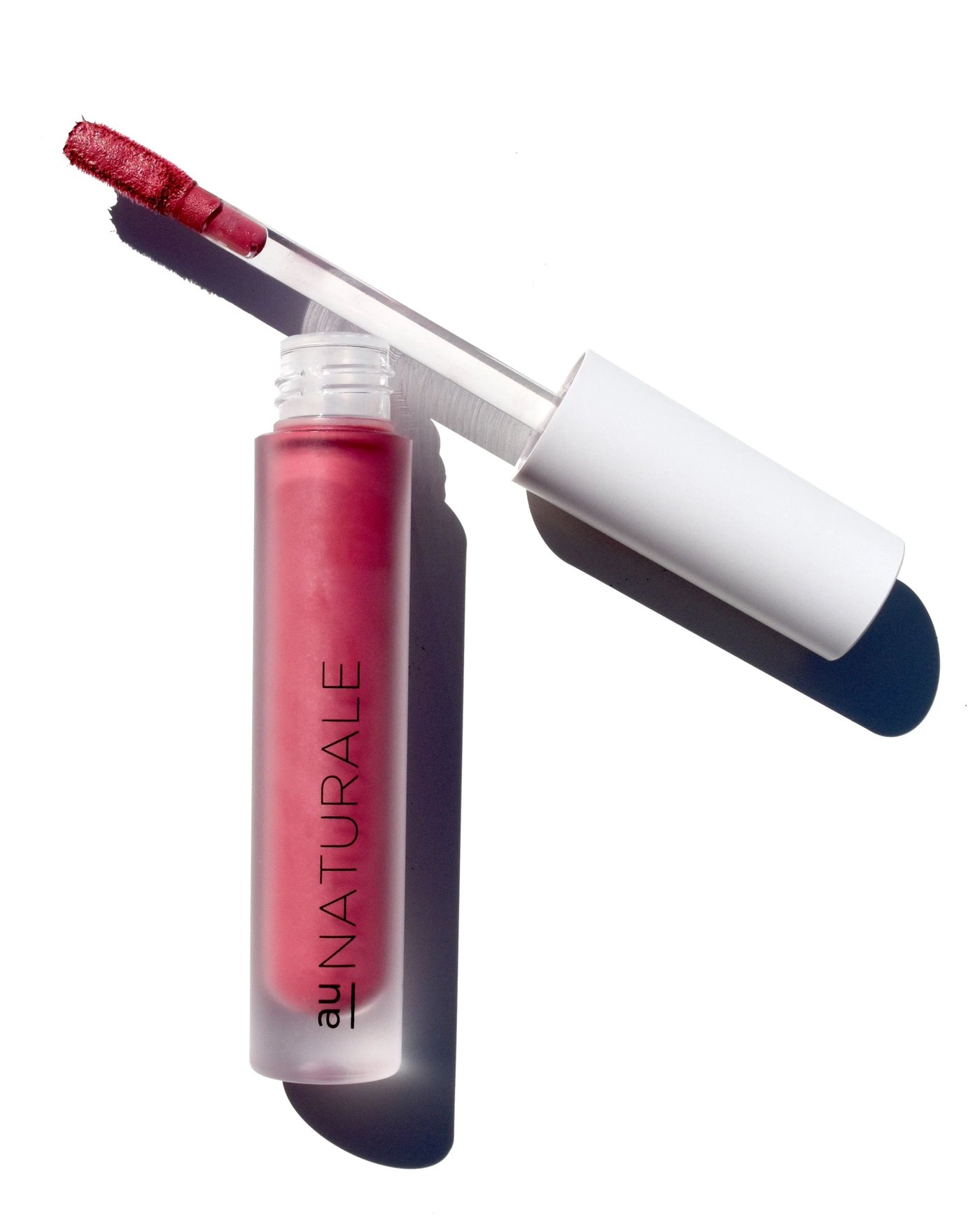
Your su/Stain Semi-Matte Lip Stain sells as a natural liquid lipstick in 0.11 oz, with ECOCERT pigments and plant oils, and instructions to exfoliate, apply, blot and let set. For a buyer watching transfer and wear time, what did you tune to get a clean stain to set without going dry or patchy.
Lip color that takes you from coffee to cocktails was the brief to ourselves. A stain has to do two jobs. It has to lay down saturated color and then stay through talking, sipping and blotting without collecting in lines. Transfer, which is how much color moves onto cups or skin, is the complaint that kills reorders.
We built su/Stain around ECOCERT pigments carried in organic castor and jojoba with cocoa, shea and sunflower, plus vitamin E for slip. The oils give moisture on application so the film forms evenly. Then we ask the wearer to do a small part. Exfoliate and moisturize, apply, blot, let set. That blot and set step matters. It removes excess oil so the pigment film can lock. Wear alone when you want a soft matte veil, or pair with our Perfect Match Lip Pencil when you want a sharper edge. It is aligned to COPA compliance and to NSF and ANSI 305 input expectations, with ECOCERT and Fair Trade and Cosmos inputs where they apply. The result is color that reads bold at first and then settles into a stain that supports skin rather than stripping it.
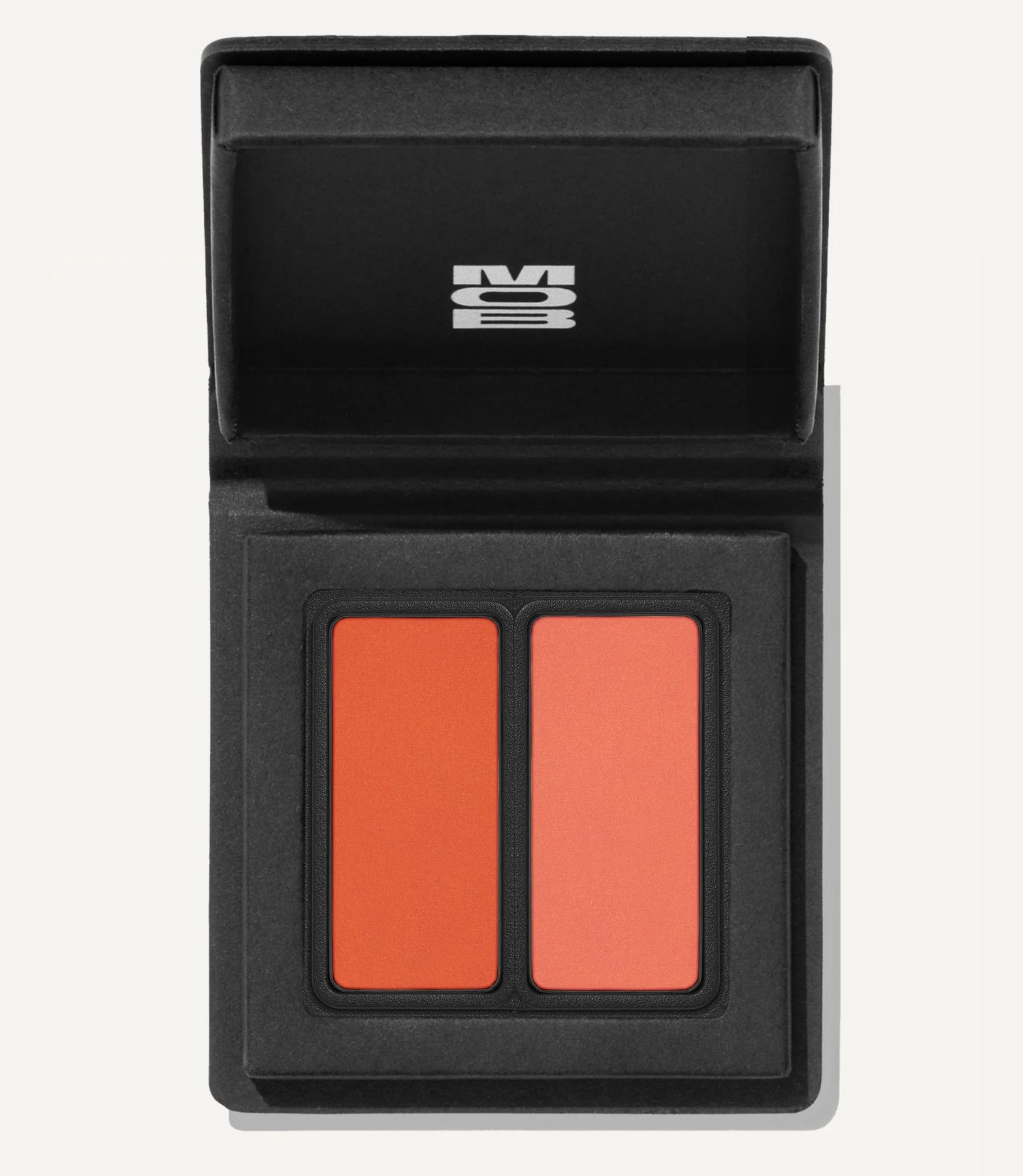
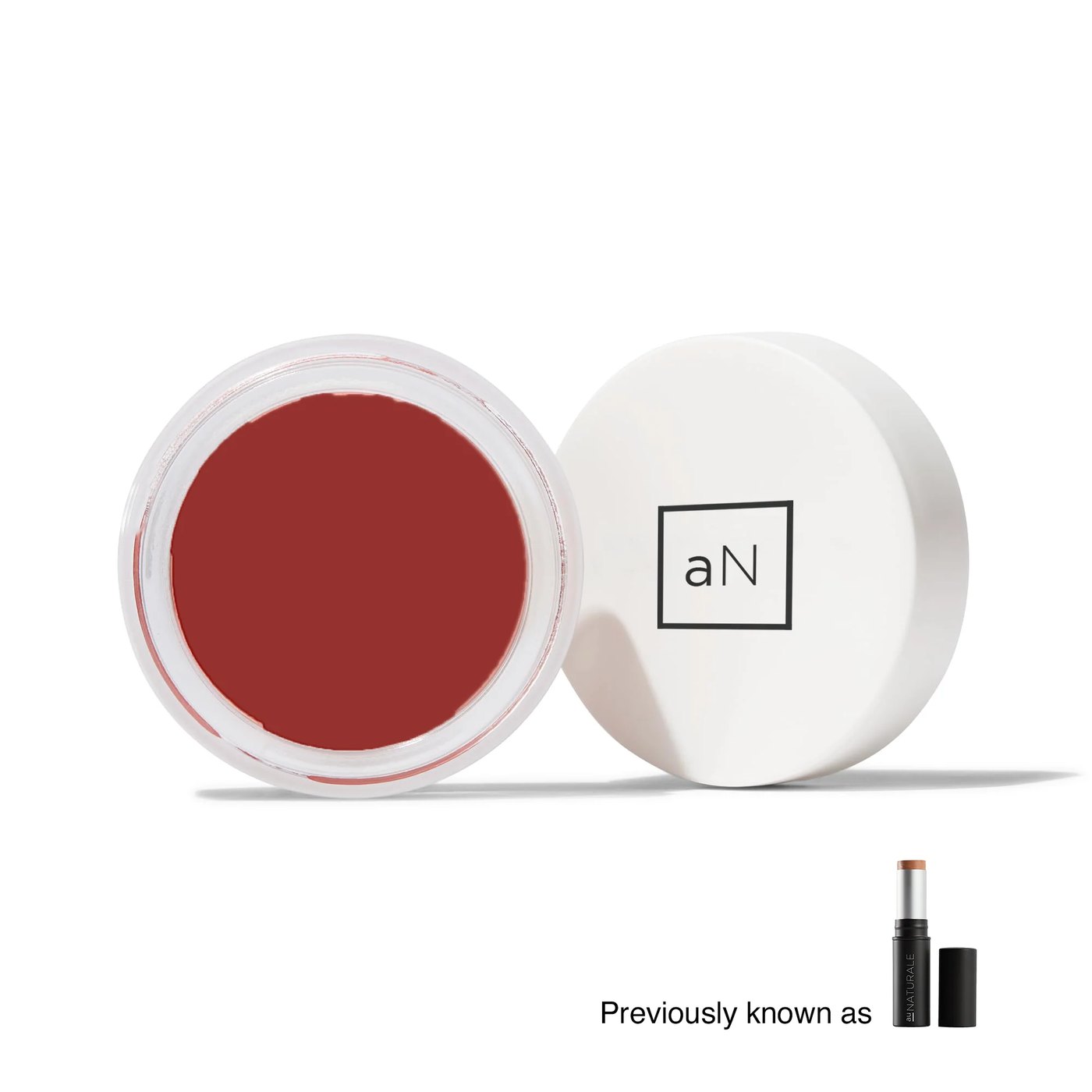
The Anywhere Creme Multistick, now sold as the Creme Multi Dip in a glass jar with the same formula, is a 3 in 1 for blush, eyeshadow and lip at 0.2 fl oz. Cream sticks often pull or skip on cheeks and crease on lids. How did you build this one to blend with fingers, brush or stick across three zones.
The most user friendly, multitasking hero is how we describe it, and that sets a high bar. A 3 in 1 has to behave on three different surfaces. Cheeks want blend. Lips want coverage. Lids want grip without creasing. If it only worked with one tool, it would fail in a kit.
We kept the structure simple and emollient, with meadowfoam, coconut MCT, castor and jojoba, plus candelilla for hold, mica and silica for slip and soft focus, lavender and vitamin E for comfort. Meadowfoam gives that cushioned glide that lets you sheer it out. Silica helps it set to a soft finish so it does not slide around by hour four. To use it, apply to cheeks with fingers, brush or stick and blend well. Tap the same shade on lips straight from the stick or jar, then press a thin layer on lids and let it settle. The glass jar version is the same formula, just a different pack for people who prefer to warm it with a fingertip. One shade, three placements, no extra bag.
If a shade needed a synthetic dye to hit intensity, we did not make that shade.
Ashley Prange
You scaled from kitchen blends to more than 150 colors, with Whole Foods, a Birchbox Earth Month feature, Nordstrom and Indie Beauty Expo visibility, and Ulta online plus more than 100 stores. Which launch taught you the most about sell through, which is how much stock actually sells, versus simply getting into doors.
Getting into doors is a press release. Sell through is the truth. Birchbox taught us early. For Earth Month we offered a mini lip, blush and eye compact as a sample choice, and choice matters. When a customer chooses you, you learn which shades pull and which descriptions confuse. Whole Foods taught us packaging. Vivid lipsticks and spill proof powders sound basic until you watch someone shop between produce and checkout. If the powder puffs open or the lipstick reads dull under store light, you lose.
Ulta was the bigger test. Online plus more than 100 stores through the Sparked program put us in front of a customer who swatches before buying and keeps a returns receipt for anything sold as universal. We learned to talk finish and undertone plainly, to keep Find My Shade tools honest, and to pack matching kits without pushing a single universal shade. Reorders follow when the second purchase is easier than the first. Newness opens the door. Shade accuracy and wear keep it open. I check what restocked, what waited, what needed a shade extension, which means adding depths or undertones, and what sat. Then we formulate to that.
Clean color often stops three shades short on depth, or as you put it, limits the palette to ethical non nano minerals. Where is your foundation and concealer range strongest now, and what would it take to extend deeper or warmer without losing the finish.
I will be direct because our customer is. Our Zero Gravity C2P Foundation and Completely Covered Creme Concealer were built on pure mineral pigments blended into nourishing organic oils for creaseless comfort. That base gives a soft touch finish that reads like skin, not powder. Strength right now is in light to medium neutrals and warms where iron oxides behave well and stay true through the day.
Depth is chemistry plus sourcing. Deeper shades need more pigment load to stay saturated without going gray or red in the dry down, which is how a shade looks after oils absorb and it settles. Warmer undertones need careful balancing so they do not pull orange at hour eight. We will only extend with ethical, non nano minerals that keep payoff and finish. That means slower work. We test dispersion, we wear test, we check transfer on collars and phones, and we confirm suppliers can document sourcing. I would rather add two depths that sell through than ten that sit. If the shade cannot hold undertone from morning to night, it does not launch.
You advocate for stricter U.S. rules while running a small team that was eight full time plus 10 to 15 part time in 2017. What does that advocacy cost a maker of your size, and what do you want a first time buyer to try first if they only buy one thing.
Advocacy costs time, which is the scarcest thing when you make everything yourselves. We believe beauty should never come at the cost of health or the environment, and our mission is to create clean, vegan and ethically sourced cosmetics that promote health and well being. That is easy to print. It is harder to live when you are small. Documentation, audits, annual renewals, supplier checks, listing work, all of it lands on a lean team that also has to pour tomorrow.
We back stronger U.S. rules because transparency should not be optional. A customer should not need a chemistry degree to know if a lipstick was tested on animals or if a shimmer came from a mine with poor labor practices. If stricter rules raise our costs, we accept that. Clarity helps the brands that already do the work.
If you buy one thing, start with color you will actually finish. For most people that is su/Stain in a wearable rose or berry. Exfoliate, moisturize, apply, blot, let set. If you live in cream color, start with the Anywhere Creme in a mid tone rose and wear it on cheeks, lips and lids for a week. You will know by day seven if the undertone is right and if the wear time fits your day.
Closing note from the desk
What stays after this conversation is how plainly Prange talks like both a formulator and a buyer. Pigment load, dispersion, transfer, doors, sell through. She does not hide behind revolution language. She explains what the standard removed and what the base had to do instead.
Au Naturale set out to replace a personal routine with healthy, ethical ingredients that still performed. Fifteen years on, the answer is still mixed and poured in Green Bay, audited to the supplier, and sold shade by shade rather than by promise. Buy the stain if you want proof of wear. Buy the cream if you want proof of ease.
Product spotlight
su/Stain Semi-Matte Lip Stain, 30 dollars for 0.11 oz or 3.1 grams, select shades 27 dollars. A natural liquid lipstick for full spectrum color with a semi matte stain finish. Exfoliate and moisturize, apply, blot, then let set for wear from day to night. Pair with lip pencil for definition.
Anywhere Creme Multistick, 34 dollars for 0.2 fl oz or 5 grams, select shades 32 dollars, also sold as Creme Multi Dip in a glass jar with the same formula. A 3 in 1 cream for blush, eyeshadow and lip. Apply to cheeks with fingers, brush or stick and blend, then tap on lips and lids.

Kendra Pruitt
Kendra produces the founder interviews at Gloss Report: the research, the question lists, the follow-ups. She spent five seasons assisting session artists backstage in New York, so her first question is usually about wear time under hot lights.
More from Kendra Pruitt →