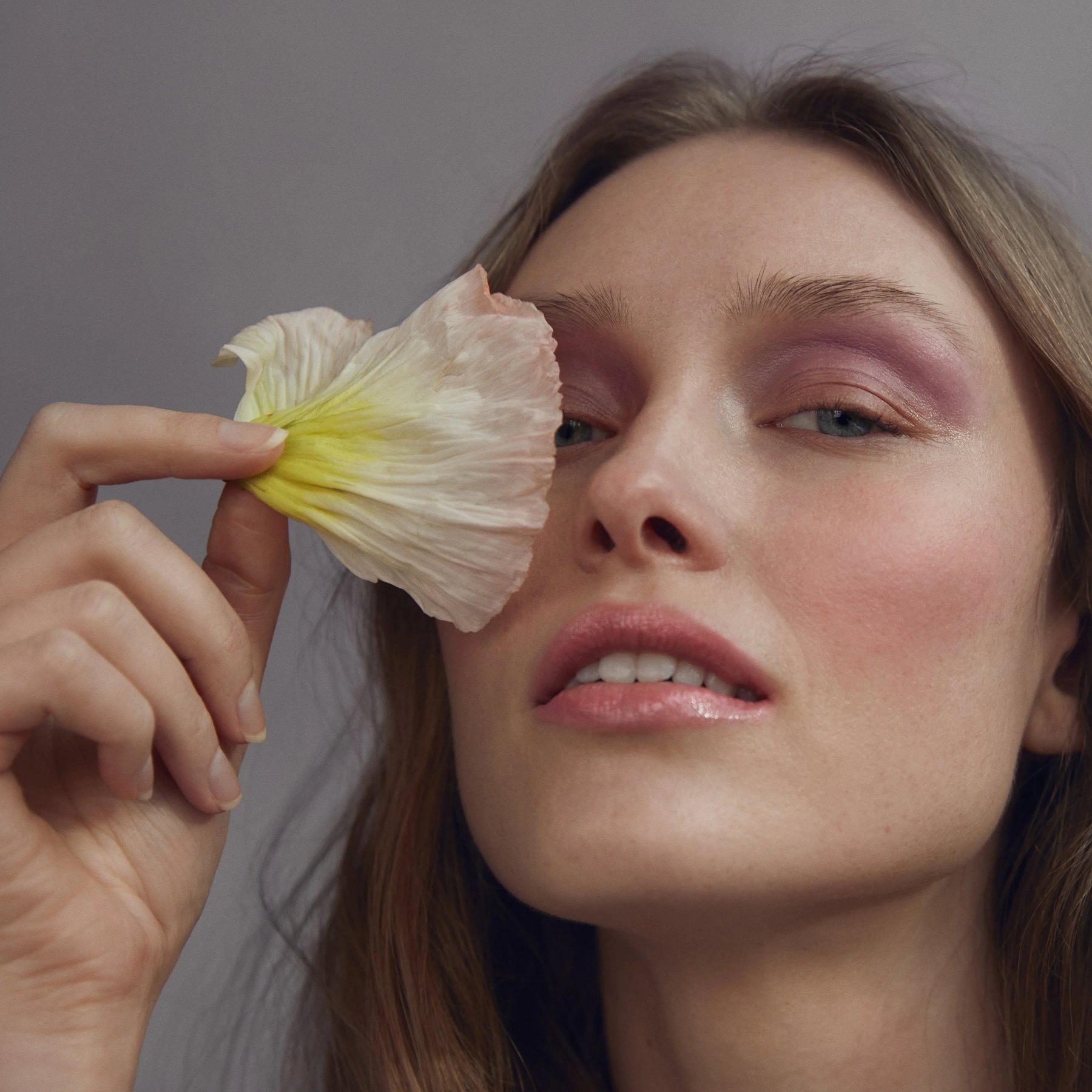
A client at the counter picks up the silver compact, turns it over, then asks the question that has followed Kirsten Kjaer Weis since 2010. Is it really organic, and does it actually work. She smiles, because that doubt was the brief.
Kirsten Kjaer Weis spent more than two decades as a fashion makeup artist in New York, working for Vogue, Elle and Marie Claire. Backstage and on set, she watched conventional makeup irritate the skin of the women she was painting, day after day.
She went looking for an alternative in the natural aisle and found the same gap every time. The ingredient story was cleaner, but the payoff, the wear time and the finish were not what a working artist could use. So she started what became an eight year development process, launched in Denmark and the United States in 2010, and led with certified organic creams in refillable metal compacts.
What we noticed, talking through the line and the retail history, is how little she has moved off that first position. Kjaer Weis is still built around Cream Foundation and Cream Blush, still made in Italy under CCPB organic certification, still sold as objects to keep. In a category that rewards a new launch every month, her discipline is to release only when she feels a formula is truly perfected. That is the thesis for this conversation. Luxury that lasts, colour that behaves, and sustainability measured in reorders and refills rather than claims.
You spent over two decades as a fashion makeup artist in New York for Vogue, Elle and Marie Claire, and you have said you saw firsthand the negative effects conventional makeup had on the women you worked with. What did that look like up close, and when did it become an aha moment.
In essence, that became my aha moment. I was working constantly, with different skin types, different ages, long days under hot lights. I started to see irritation and congestion that I could trace back to what we were putting on skin for hours at a time. It was not one model. It was a pattern.
I had always dreamt of creating something that could be a force for good. My background as a makeup artist for over two decades became the lead into developing a cosmetics brand. I was unable to find alternatives in the natural space, which led me to realize there was an open gap in the market. I realized I could combine the best of the two worlds, natural and conventional, and turn it into a new category where all boxes were ticked off and the customer was left with no compromises. That idea would not leave me alone. You have to be very committed to your idea and what you want to bring to life, to the point where you cannot not do it.
You took eight years to develop the line before launching in Denmark and the US in 2010. What were you trying to solve in those years that a faster launch could not have solved.
Performance without compromise. That sounds simple, and it is very hard to do with certified organic ingredients. A cream foundation has to melt, blend, cover what needs covering, and still look like skin at hour eight. A blush has to give payoff in one touch and still sheer out. If it does not do that, an artist will not reach for it twice.
So we worked in Italy, formula by formula. We sourced worldwide for the highest quality oils and waxes, and we accepted that every batch would need to be inspected by hand. Our Italian lab helped us hold raw materials to standard. It is very different from conventional brands. It is more like the wine industry where every harvest is different. That takes time, and it takes patience. From the very beginning, the idea was always to have a unique design in terms of packaging but it was also about making it sustainable. We wanted to launch with something that felt resolved, not something we would need to excuse.
Your first products were certified organic creams in refillable metal compacts, led by Cream Foundation and Cream Blush. Why did creams come first, and why did the case matter as much as the formula.
Creams are the most honest test. There is nowhere to hide. Silicones can blur and smooth in a way that feels luxurious at first touch, and we do not use them. We do not use parabens, petrochemical emulsifiers or synthetic fragrance either. To get that glide and luminosity from sweet almond oil, jojoba, shea, beeswax and plant oils, the formula has to be balanced exactly.
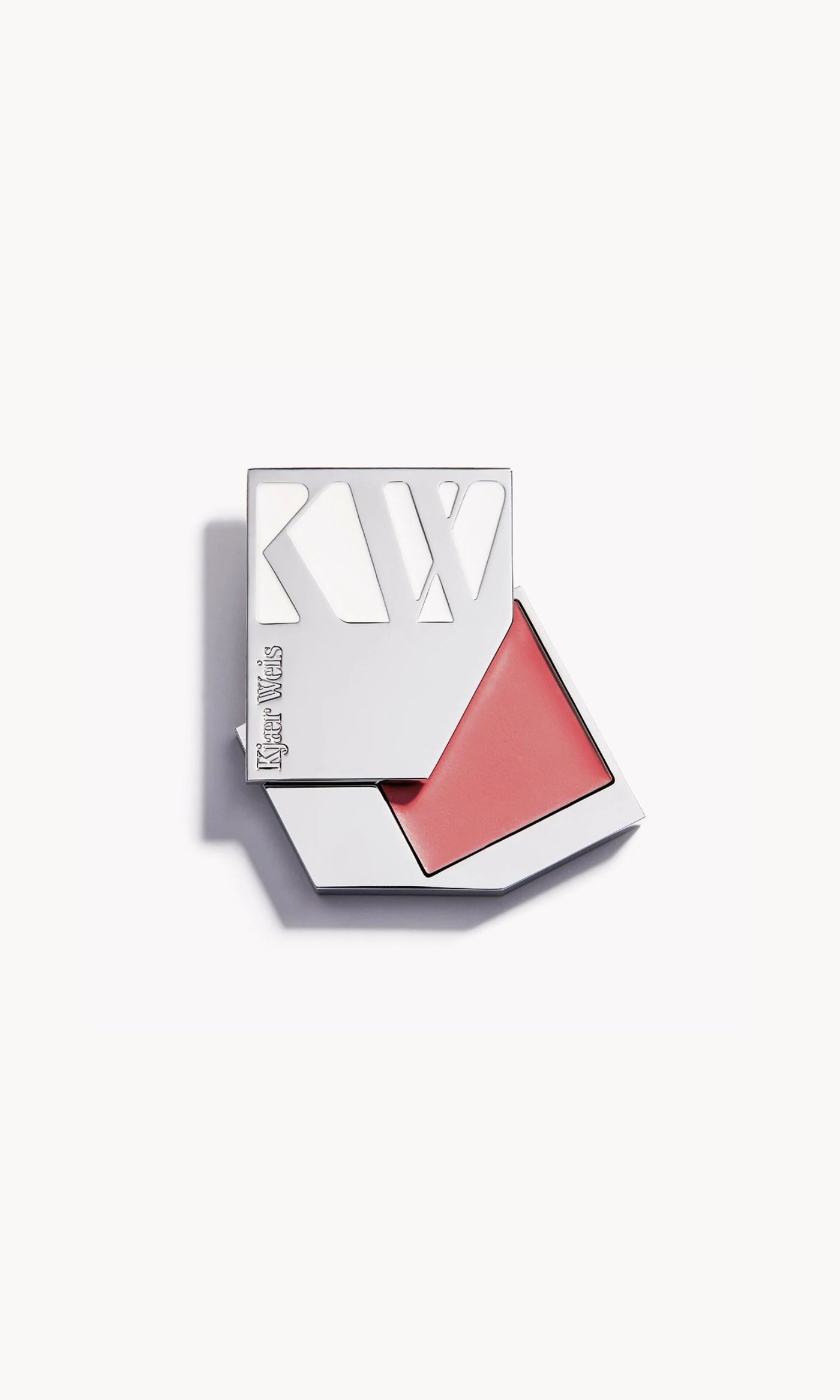
The case had to carry the same thinking. From the very beginning, the idea was always to have a unique design in terms of packaging but it was also about making it sustainable. We launched as the first luxury brand with refillable packaging at launch. The Iconic metal compact is heavy, sculptural, made to patina and made to keep for life. You replace the pan through the pin hole, not the object. Our Red Edition paper compact can be reused two to three times, then recycled or composted. Conscious without compromise and beautiful objects for life are not slogans to us. They describe how the product is supposed to live on a vanity and in a kit.
You describe the customer as split about 50/50 between the US and Europe, strong on the coasts, and you have said your muse test is would Sofia Coppola wear this. Who is actually buying, and what does that restraint mean for shade and finish.
She is a green buyer or a luxury buyer, often both. She reads ingredient lists, but she buys on how it looks. She wants skin to look like skin, lips to look conditioned, cheeks to look alive rather than painted. The Sofia Coppola question is shorthand for that restraint. Would she wear this. Is it quiet, modern, a little undone, never overworked.
Growing up on a farm in Denmark shaped that eye. It was very minimalist yet with a deep love for and reverence of nature, which has translated into the values for the brand. Less is more, with an edge. In practice that means a tight, wearable palette, finishes that stay creamy and luminous, and pigment load that builds rather than shouts. Payoff here means colour return in one stroke or tap, and we would rather you press on a second layer than fight a first layer that is too much. I am not one to follow trends for the sake of following trends. If a shade does not serve that woman, we do not make it.
You chose Italy for manufacturing under CCPB Certificate N CB/09, with cruelty free and ethically harvested sourcing, and some shades not vegan because of beeswax and carmine. How do you talk an artist through that tradeoff at the counter.
Directly. I tell them what is in the pan and why. Beeswax gives creams their structure and skin adhesion without silicones. Carmine gives certain reds and berries a depth that is still hard to match with mineral pigment alone. If you need strictly vegan, I will point you to the shades that are, and I will not pretend otherwise.
Our main goal has always been luxurious sustainability with high performing, organic ingredients. That commitment extends from refillable, lasting cases to recyclable and recycled packaging. Scent, if there is any, comes only from a certified natural origin blend. We inspect every batch by hand because plant ingredients move. Sweet almond brings fatty acids and vitamin E to smooth and condition in foundation. Castor and jojoba condition and hold moisture. Lemon peel oil tones in lip formulas. When you understand the function, the choice feels less ideological and more practical. It is about what helps wear time, which means how long colour stays true before fading, transfer or creasing, and what keeps skin comfortable while it wears.
It is more like the wine industry where every harvest is different.
Kirsten Kjaer Weis
Cream Blush won a Byrdie Eco Beauty Award and the foundation picked up a Glamour award, with early recognition including Wallpaper Best New Grooming in 2011. Which formulas earned their place in pro kits, and what do artists do with them beyond the obvious.
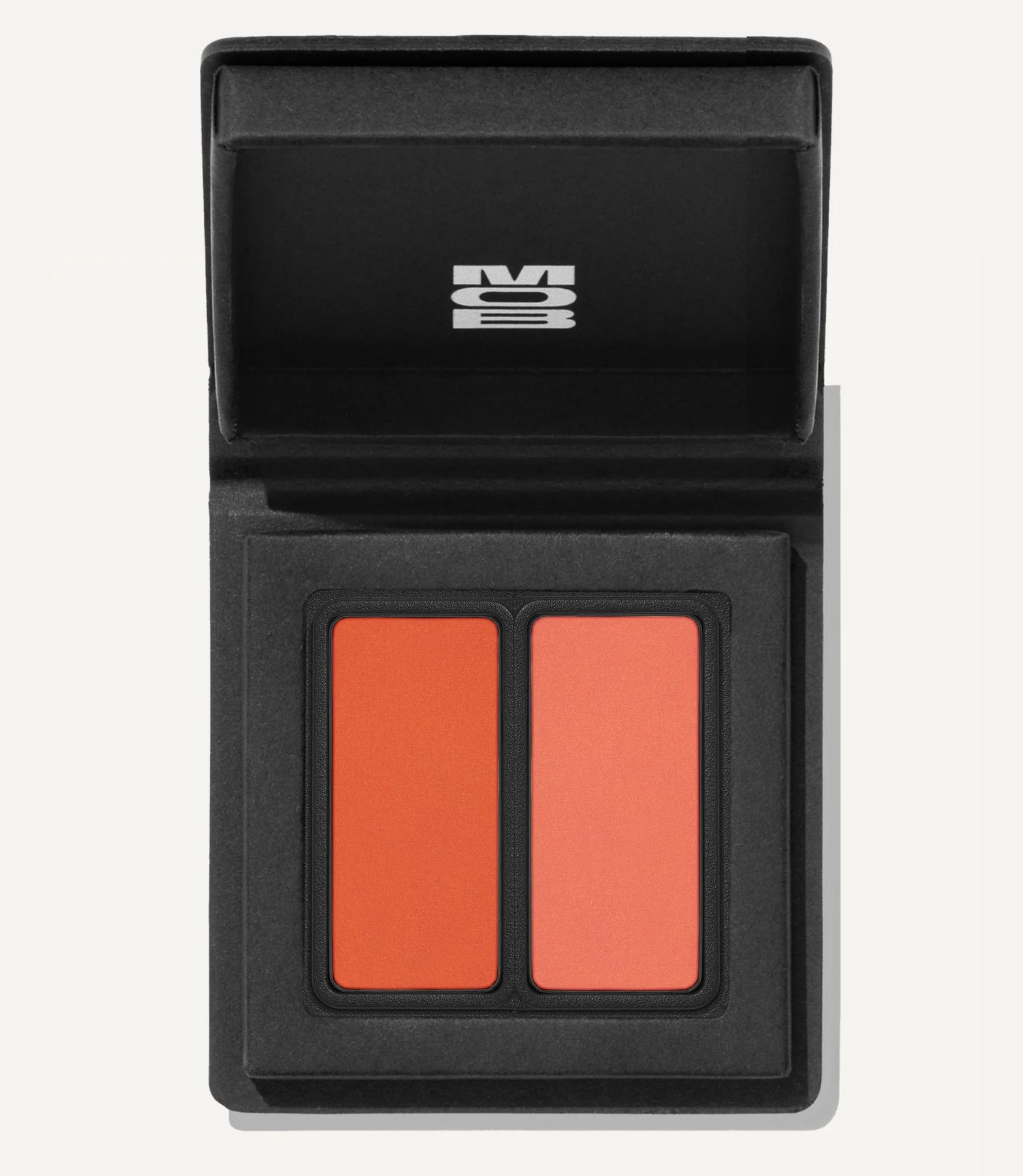
Cream Blush is our pride and joy, and it earned that. It is organic, gluten free, made without petroleum, parabens, artificial colour or synthetic fragrance, with rosehip, jojoba and shea for that dewy flush. Artists melt it with fingers on cheeks, then press the same shade on lips and eyelids to tie the face together. That monochrome wash photographs beautifully and it is fast backstage.
Cream Foundation works as foundation and concealer in one pan. Apply to moisturized skin with fingers for sheer, or with a brush for fuller coverage. Lip Tint, with castor, jojoba, lemon peel oil, shea, rosehip and beeswax, is fragrance free and can be worn sheer with fingers or more opaque with a brush, and also pressed on cheeks. The Beautiful Eye Balm sits between skincare and primer. I use cleanser and toner, then Beautiful Oil, then Eye Balm in my own routine. Artists use it to smooth the look of the eye area before concealer so it does not catch. That multitasking is deliberate. Fewer products, better made, carried for years.
You added skincare after colour, including Cleanser, Toner and Beautiful Oil at 149 dollars for 30 ml. Why extend the range there instead of chasing seasonal colour, and how do you decide when something is perfected.
Skin is the base for everything we make. If the base is dehydrated or tight, no foundation, however good, will wear well. Beautiful Oil was a natural step. It is lightweight, active, meant to support the appearance of hydration and glow. Cleanser and Toner followed the same logic. Prepare well, use less colour.
We release only when we feel like we have truly perfected them. That is slower than the launch calendar most brands follow, and it is intentional. A new shade or texture has to earn its place in a refillable system. Once a case lives with someone for years, the refill has to be worth reordering. Sell through, which is how much of what a retailer ordered actually sells to customers, tells the truth quickly. Doors, meaning retail locations, will give you a second chance if the first product reorders. They will not give you a fifth chance if launches keep sitting on the shelf. So we test, we wear, we give to artists, we revise. Then we launch.
Refillable was radical in 2010 and is now table stakes language. Your Iconic metal is kept for life and your Red paper is reused two to three times. What has that system taught you about price, shade range and what actually sells through.
It taught us that price has to be understood as two prices. The Iconic Edition includes the object. The refill is the true cost of staying with the shade. When a customer does the math over two or three fills, the decision changes. She keeps what she loves and she is honest about what she does not.
Shade range is where I am most self critical. We do well on light to medium neutrals with artistry undertones, meaning the warm, cool or neutral cast beneath the surface colour that decides whether a foundation looks pink, yellow, olive or grey in daylight. Deeper and very deep shades, and some olive and golden undertones at the edges, need more work and more extensions. A shade extension means adding depths and undertones to an existing range rather than launching a new product. Any founder who says otherwise is not looking at her own swatches. What sells through for us are the forgiving textures. Blush that blends with fingers. Lip tints that can be sheer or built up. Mascara that lengthens and defines without flaking by hour eight. Those are the reorders. The lesson is simple. Make the case beautiful, but make the refill indispensable.
I suggest starting with anything that goes on your lips, as you will ingest it, or any products that go on larger surfaces of the skin. That is still the most practical way into clean colour. Start where coverage is largest or closest to ingestion, learn your undertone, then build the kit slowly. It is better to own three things you refill than twelve things you replace.
Closing note from the desk
What stays with us after this conversation is the steadiness of the position. Kjaer Weis did not pivot from trend to trend. It stayed with certified organic creams, Italian manufacturing, hand inspection and cases designed to be kept. That restraint is both its appeal and its assignment.
The brand set out to prove that natural and conventional did not have to be a choice, that a compact could be a kept object, and that performance could be measured at hour eight rather than at first swatch. On blush, foundation and multitasking tints, it makes that case clearly. On depth and undertone range, the work continues.
Product spotlight
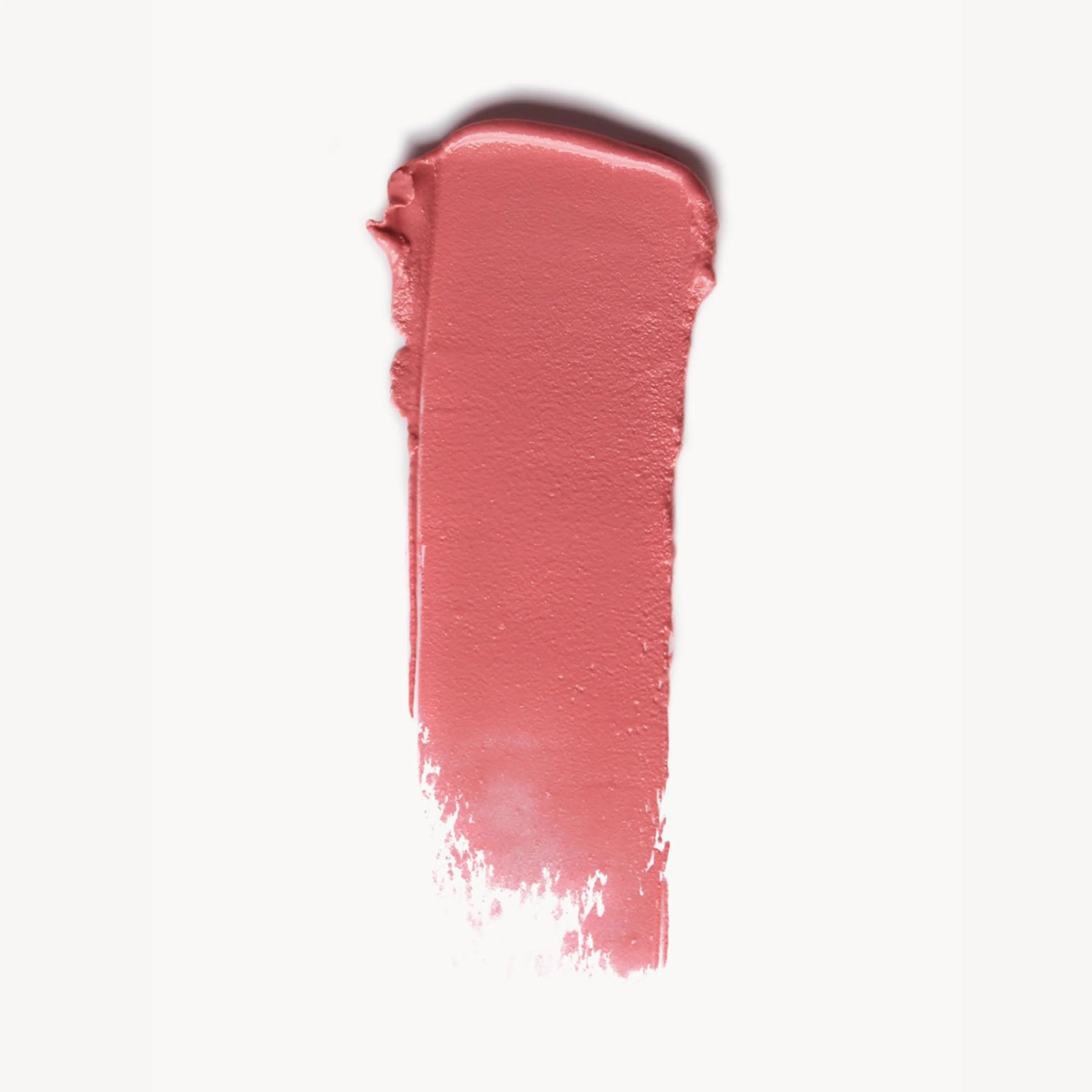
Cream Blush in Blossoming is 58 dollars in the Iconic Edition, 42 dollars in Red, and 33 dollars as refill only. A creamy and blendable flush that melts into skin for a dewy finish, with rosehip, jojoba and shea. Press with fingers on cheeks, then tap leftover on lips or lids. Start sheer and build in thin layers.
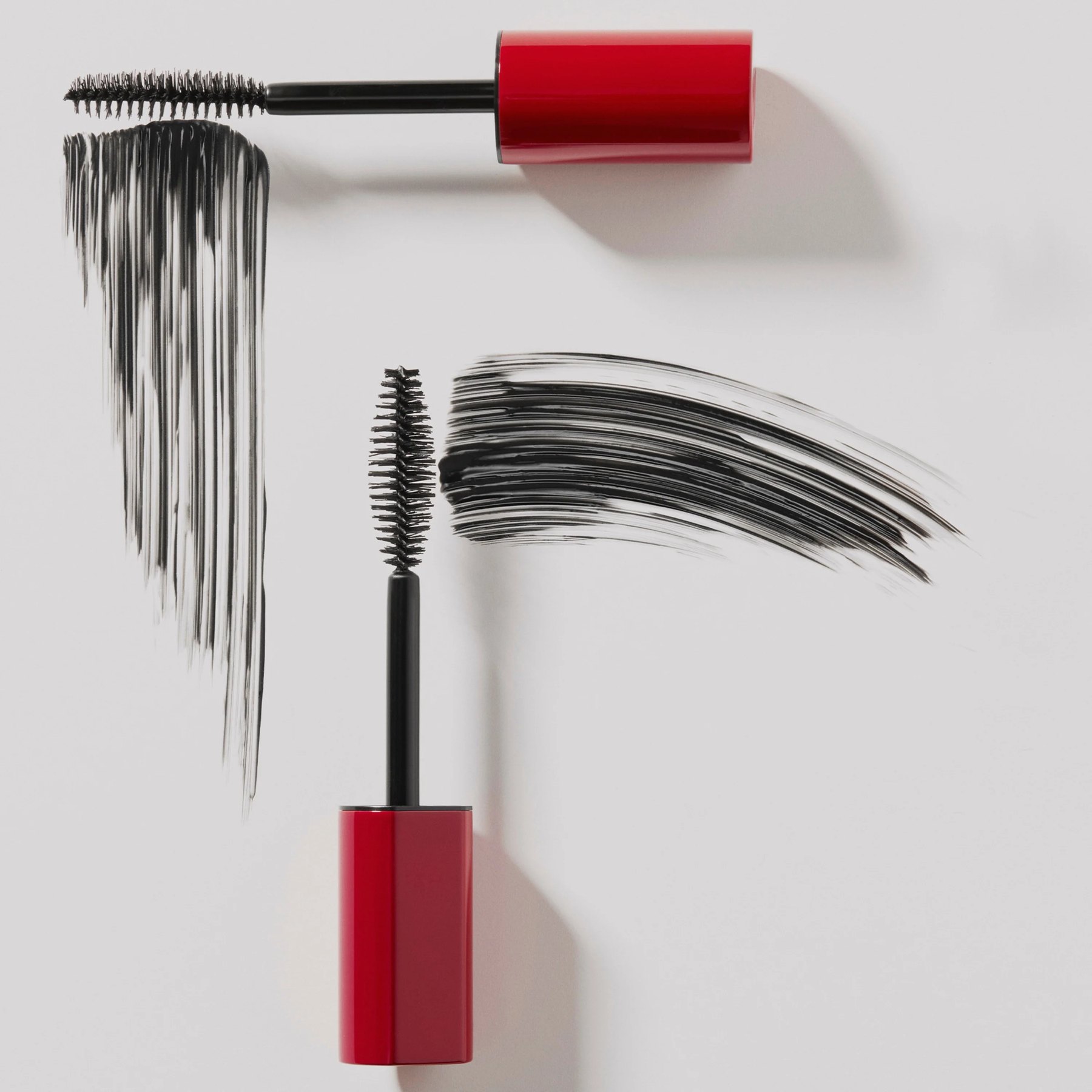
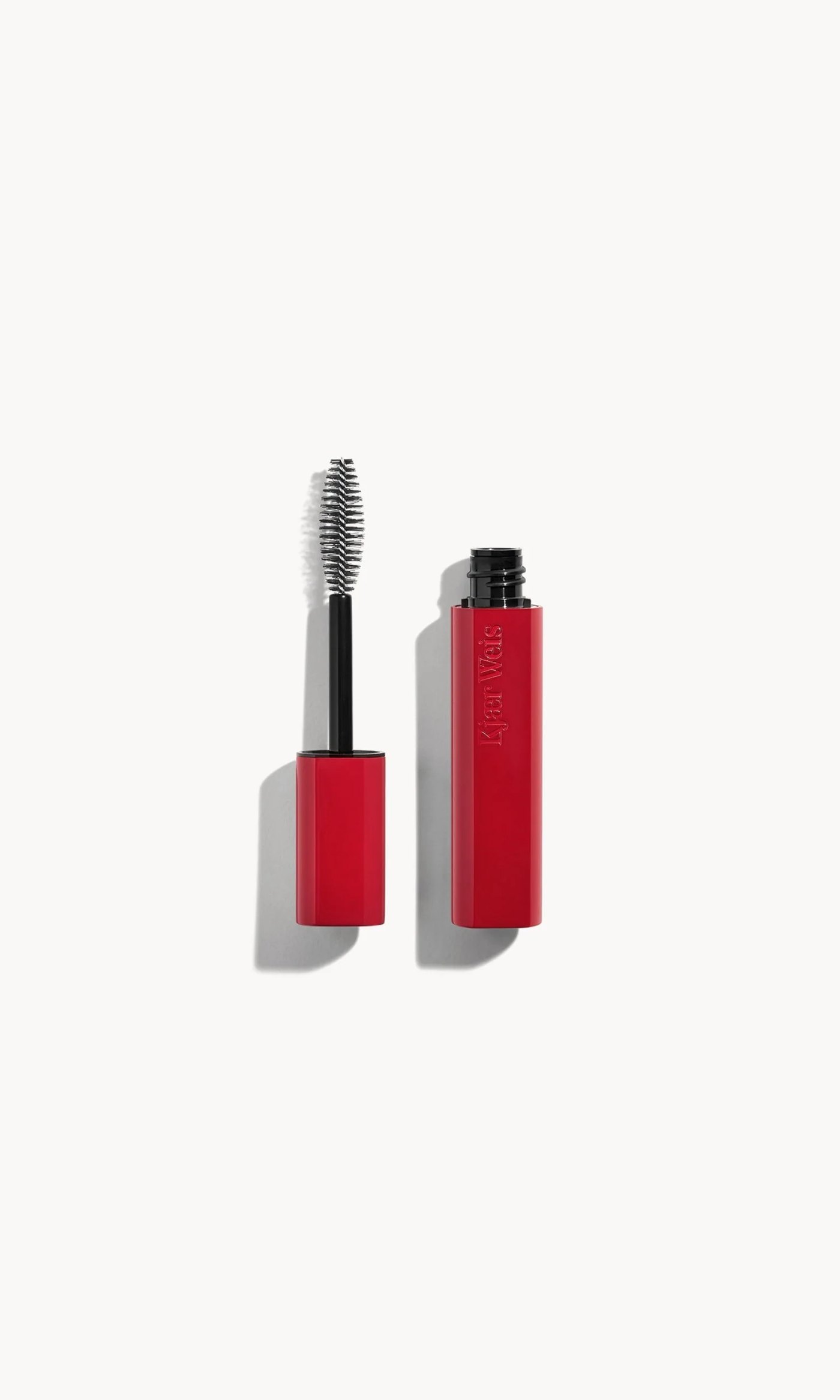
Im-Possible Mascara in Black is 39 dollars in the Iconic Edition and 29 dollars as refill only. A certified organic, refillable mascara that lengthens, thickens and defines from root to tip. Apply from base to ends, add a second pass before it sets for more volume, and keep the case to refill.

Whitney Doyle
Whitney runs the news desk and the kit guides at Gloss Report. She keeps one spreadsheet of every launch date, restock and shade extension of the year, and can usually tell you the week a blush sold out and the week it came back.
More from Whitney Doyle →