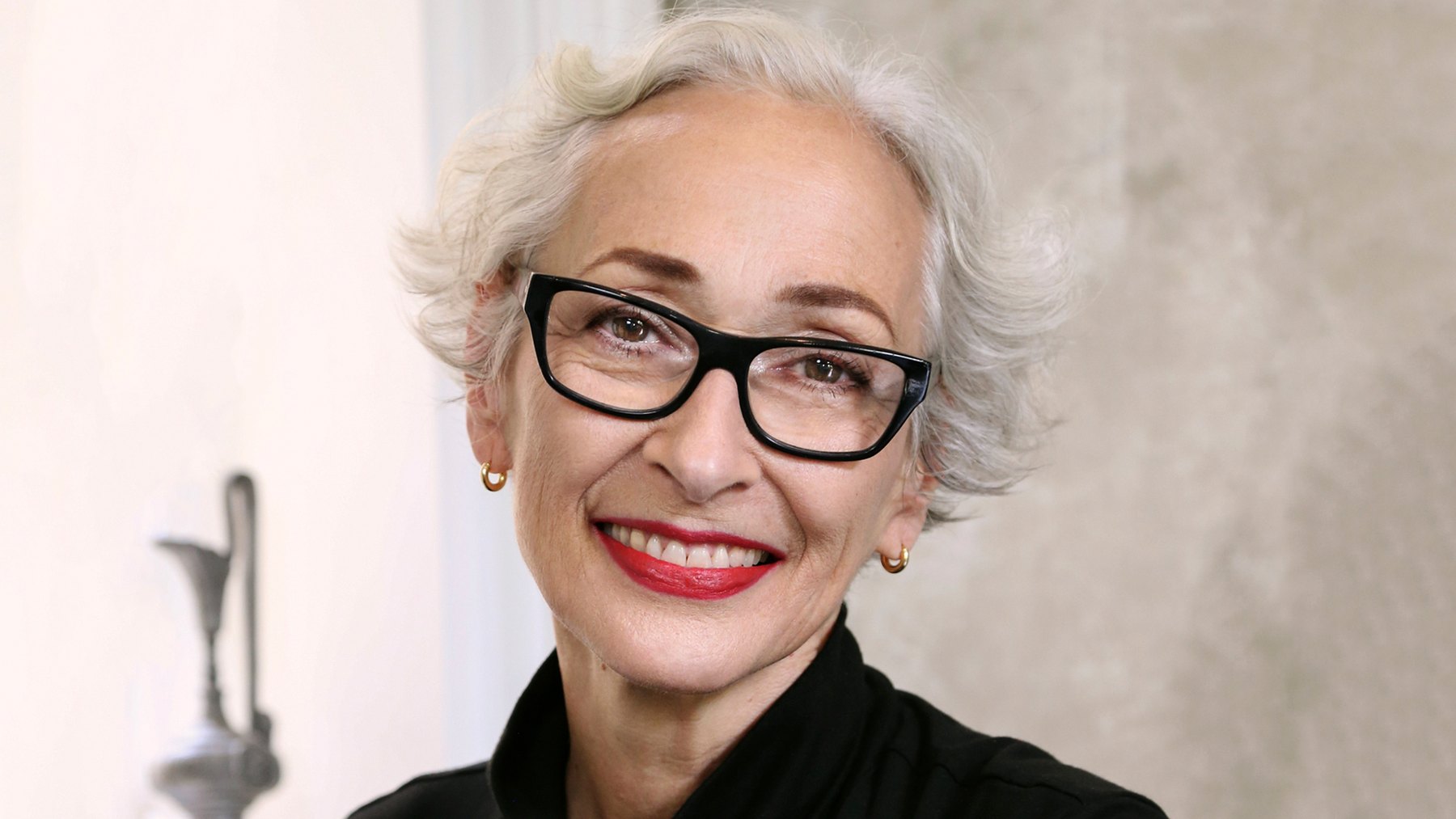
A supermodel once told Rose-Marie Swift she was wearing other brands for the cameras and RMS under them for her skin. A decade later those quiet confessions became a community that still writes in for shade help, mixes concealer with oil and pans the same glass pot to the end.
The note came the way they usually came. Not a press release, not a launch RSVP. A working artist backstage, or a longtime wearer at home, saying the label in her bag did not match what was actually on her face. For Rose-Marie Swift, that was the tell. Women contracted to name other names were wearing her pots instead.
Swift had spent more than 30 years painting faces for Victoria’s Secret, Louis Vuitton and French Vogue before she started RMS Beauty in Charleston, South Carolina in 2009. Her health had collapsed in New York in the early 1990s, with tests showing heavy metals and other chemicals, and her recovery turned her attention to what sat in her kit. She began beautytruth.com in 2004, then decided to make the alternative herself.
What she made was deliberately narrow. About 18 products at launch, built on raw food grade oils and minerals, meant to look like water on skin rather than glue. Living Luminizer, UnCoverup Concealer and Lip2Cheek became the icons. The line has since grown past 145 products, entered Sephora in 2016 and 200 Ulta doors in 2024, and was acquired by Highlander Partners with David Olsen as chief executive.
What others miss is the discipline inside the rebellion. Swift talks bluntly, but she formulates cautiously. No silicones even when it costs slip, no talc even in powder blush, aluminium over plastic though it takes longer. This conversation is about that tension, and what it takes to keep a clean cult line legible on a retail shelf.
You launched in 2009 with about 18 products after years painting supermodels for French Vogue and Victoria’s Secret. When Gisele or Miranda quietly wore RMS while contracted elsewhere, what did that teach you about payoff versus promise.
That taught me everything. They pretend to wear all these big name brands, but they are wearing my stuff. That is not vanity, it is information. A model under high definition cameras and long days will not keep wearing something that creases, flashes back white or sits on top of the skin. She will wipe it off between looks.
I was a makeup artist and future thinker who had something to say, even though it was controversial. I hated powder that floated and SPF that left a white overcast. I wanted skincare meets minerals meets colour. So when those women kept reaching for my pots, I knew the finish was right. Sheer, alive, skin like skin. Payoff here means colour that melts and stays believable at hour eight, not colour that shouts in the pan and dies on the face.
Your origin story starts with illness in New York in the early 1990s and high readings for aluminum, barium, cadmium, lead and mercury. How did recovery turn into beautytruth.com in 2004 and then a colour line.
I got very sick and the tests were frightening. Heavy metals, pesticides, chemicals. In recovery I started reading labels the way I read food labels, because I was a raw foodist. I did not want to eat oils that were hydrogenated and fractionated, so why would I put that on my face. Why would you eat healthy food, then put that stuff on your face when it gets into the skin.
I launched beautytruth.com to share what I was learning about risky chemicals. Editors would not touch it because of conflicts with large advertisers. They called me controversial. I thought, this is not working, I am just going to create my own brand. I just wanted to create something that was almost edible. Technically you cannot really eat the product because of the colour pigment. But the base could be food grade, raw, alive.
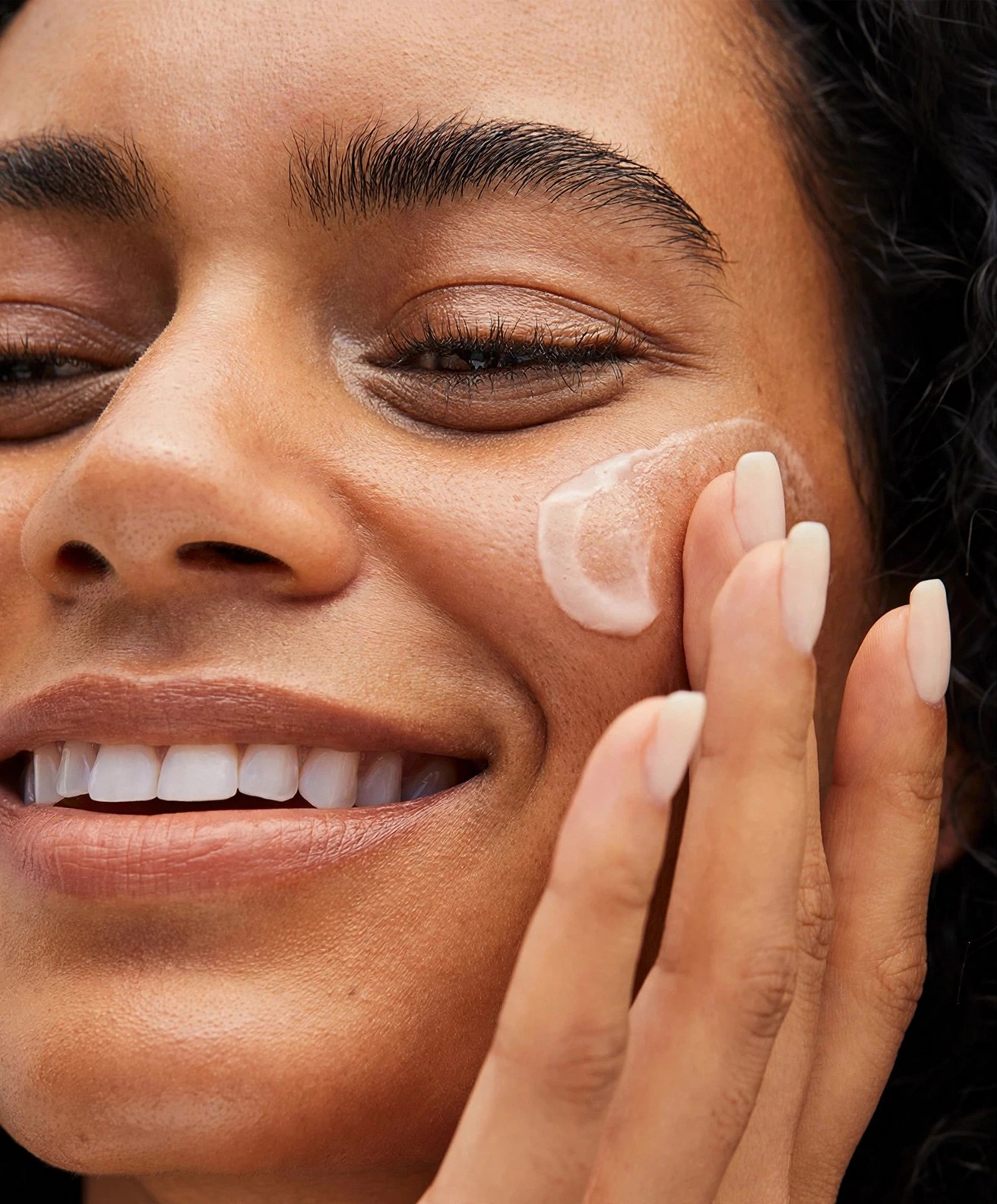
You describe the concept as water not glue and compare ingredient grades to beer versus Cristal champagne. What does that mean in the pot, specifically with your cold centrifuge coconut oil.
It means the base does the work. Most coconut oil in beauty is heated or solvent treated. Ours is 100 percent raw cold centrifuge from fresh Thai coconuts, no heat, no solvents. My chemist was shocked by the difference between cold centrifuge and cold pressed. The oil keeps its vitamin E, its lauric and caprylic acids, its life.
We paid for testing to prove that coconut is non comedogenic, because conventional coconut has a reputation for clogging pores. Our buriti comes from Brazil, our shea from African karite, our vitamin E from Spanish sunflowers. Beer versus Cristal is my shorthand for grade. Same common name on paper, very different quality in the jar. Water not glue is the finish. Thin, breathable layers that move with skin, applied with fingers, rather than a packed on mask that cracks under studio lights.
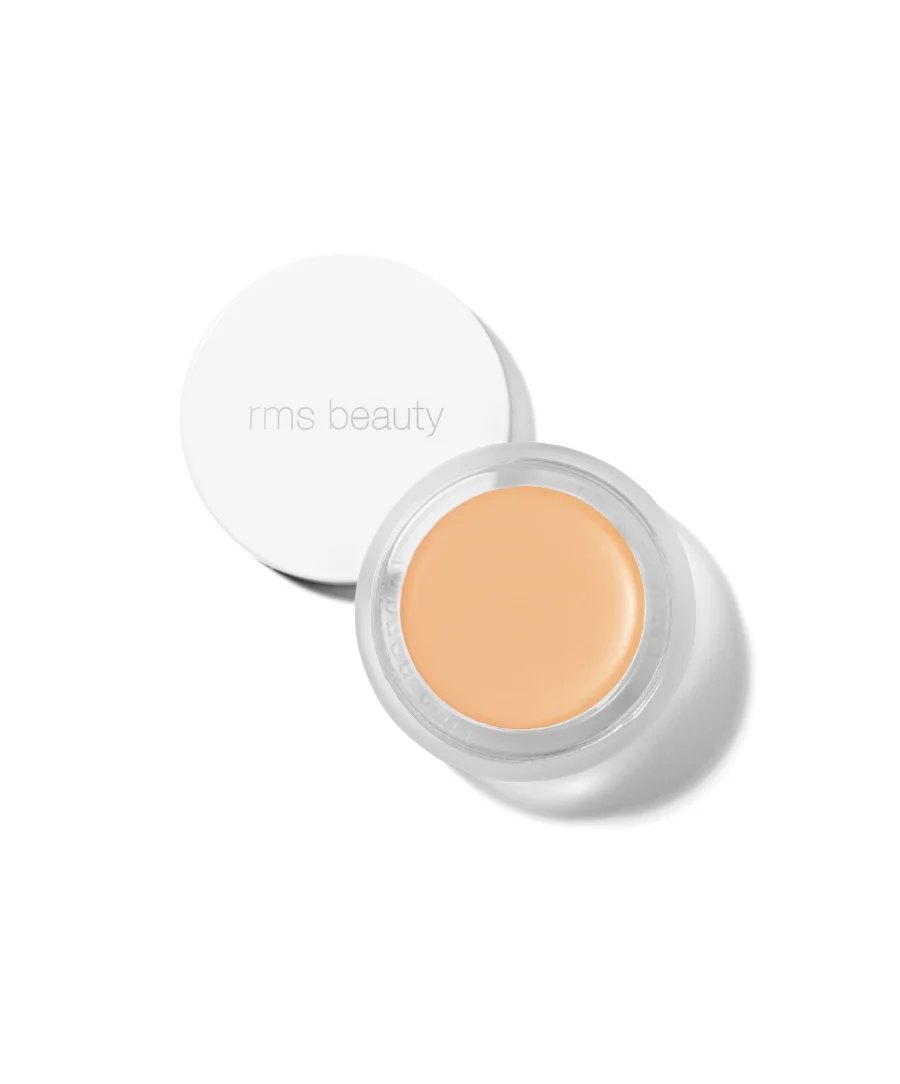
UnCoverup Concealer in a 5.67g pot promises sheer to medium coverage that auto adjusts with minerals and wears for 12 hours. How should a buyer shade match it, and where does it stop short.
Start lighter than fear tells you. The minerals adjust a little as they warm, so I tell people to tap with the ring finger under eyes and buff all over with our Skin2Skin Brush if they want more coverage. Mix a little with Kakadu Beauty Oil for an all over tinted moisturizer effect. That is how artists stretch one pot across jobs.
Where does it stop. It is not full coverage camouflage. If you want to erase everything and look powdered, this is not that. In our 26 person clinical study it tested as non comedogenic, and in a seven day study 96 percent agreed it corrects and leaves a healthy natural finish. I trust that language. It supports the appearance of smoother, more even looking skin. Undertone is the limit. We keep the edit tight, which helps restock and sell through, but very deep and very warm complexions have fewer exact matches than I would like.
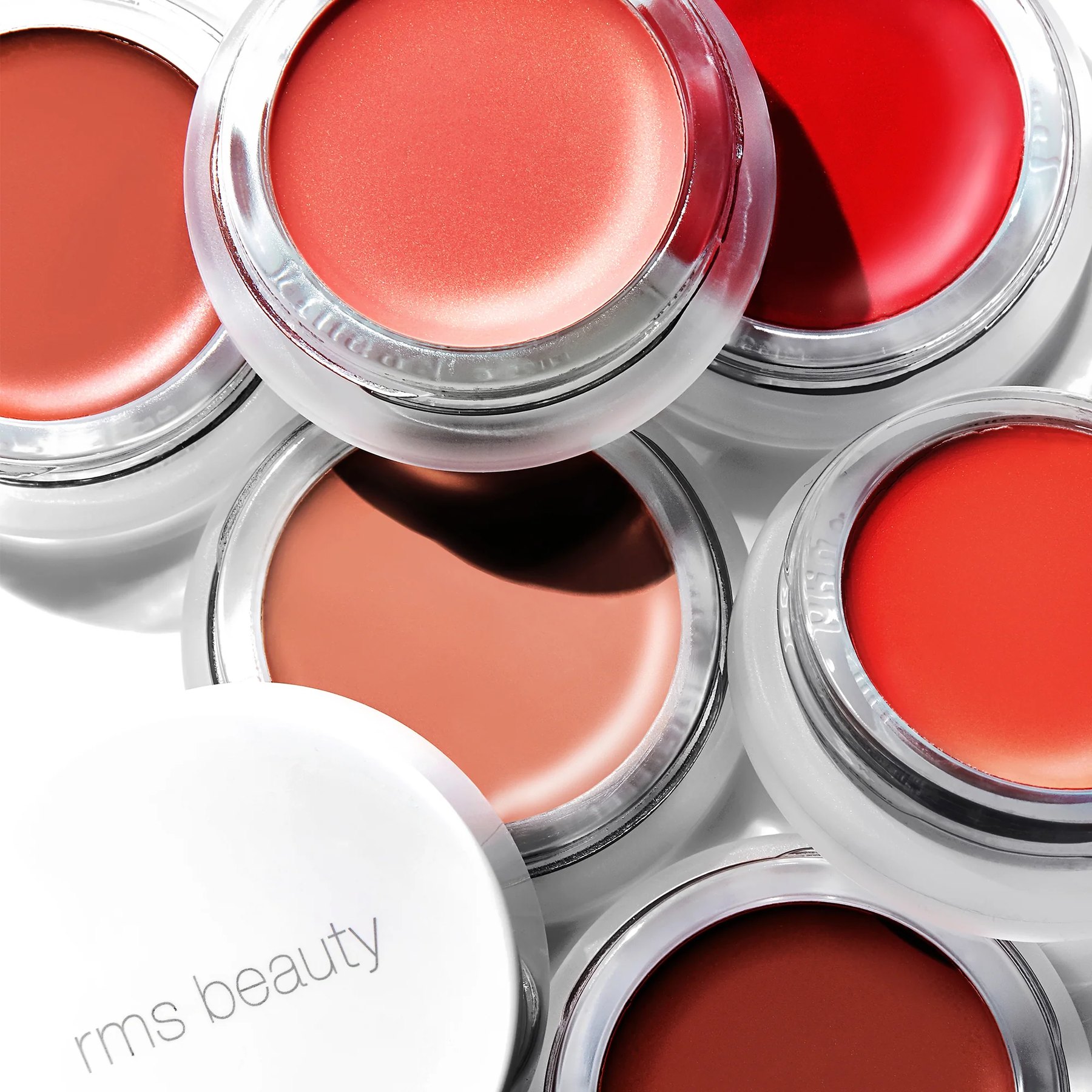
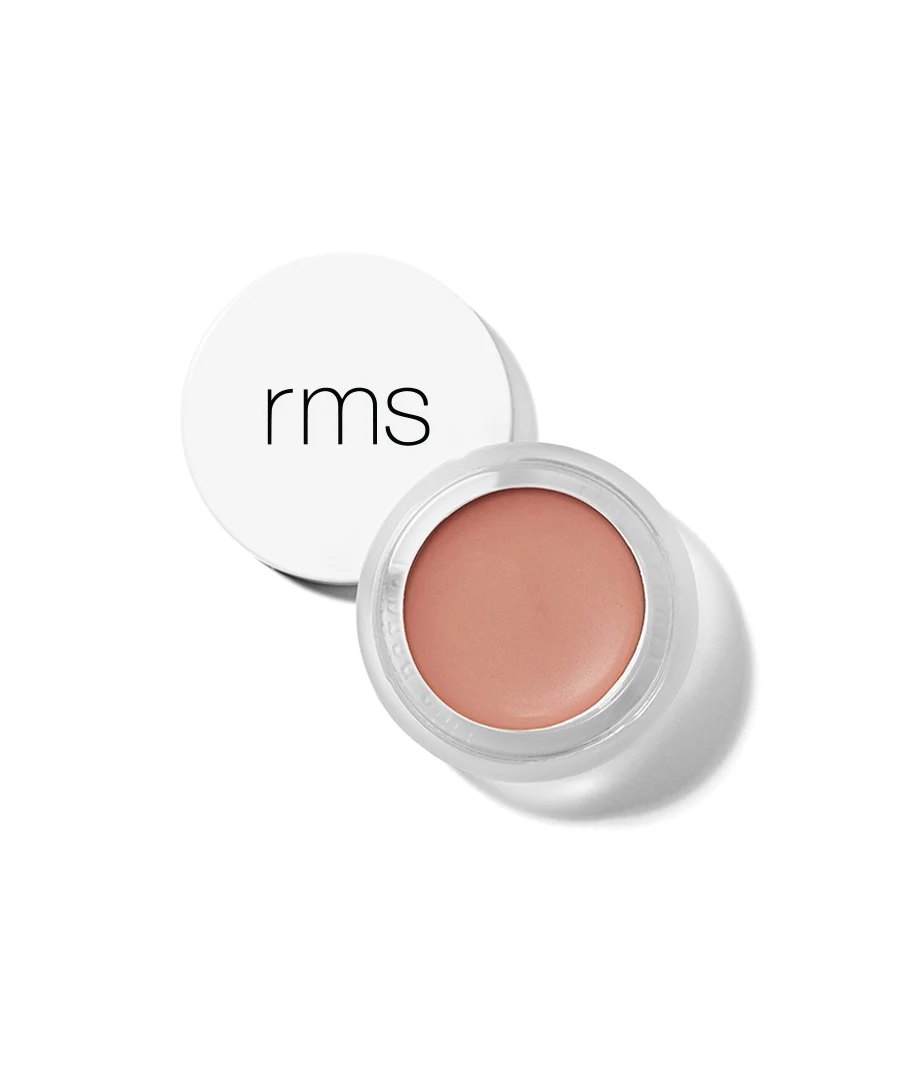
Lip2Cheek gives one swipe for sheer, two for flush and three for full impact, built on buriti, shea, cocoa butter and jojoba. Why keep it in the same glass pot after all these years, and how do you apply it for cheeks above the nostril line.
Because the pot teaches the technique. Warm a little with your ring finger, smile slightly, press onto the apples above the nostril line, then press what is left into lips. One swipe is sheer, two is a flush, three is full impact. Fingers melt the butters in a way a stiff brush does not.
The small glass pot with a metal lid looks like 1950s French rouge for a reason. It is tactile, it keeps the formula stable without a lot of extra structure, and you can see when you are low. Awards from ELLE, InStyle and Oprah Daily helped, but reorders come from use. One pot lives in the kit for lips, cheeks, even a wash on lids in a pinch. Multitasking is not marketing here. It is how artists work when they have three minutes and one hand.
I wanted skincare meets minerals meets colour, like water not glue.
Rose-Marie Swift
Living Luminizer at 42 dollars for 4.82g is sheer glow with castor oil, raw coconut, beeswax, mica and vitamin E. What separates lit from within from glittery, and where do you place it.
Pigment load and particle size. Glitter sits on top and throws sharp sparkle. This is a fine, light reflective mica in an oil and wax base that thins to almost nothing. This is the ultimate, lit from within dewy glow. I like to pat it onto the skin with my fingertips. Cheekbones, bridge of the nose, inner eyes, cupid’s bow, collarbones.
Pat, do not swipe. Swiping moves foundation. Patting melts luminizer into the high points so light reads as skin, not shimmer. It never looks greasy when the skin is prepped, because the oils are chosen to sink rather than pool. On set I use it last, after colour, before a final check in daylight. At home I use it alone on good skin days. If you can see individual sparkle in a mirror at arm’s length, you have applied too much.
You refuse silicones and talc even in your Hydra powder blush, giving up that super slippy slidey feeling. What did your lab have to solve to make powder glide without them.
Everything about slip had to be rebuilt. Talc and silicones give that easy slide and soft focus blur. Without them, powders can drag or look dry. We worked for a long time on a silicone free and talc free gel to powder structure that still buffs and holds.
We will take the smaller margins over lesser quality. That is true on our 48 dollar sunscreen and true here. The chemist who helped me early came from a Canadian paint factory background, which sounds odd until you think about pigment dispersion. Later we did proper lab work on the Hydra powders. The result is a bouncy, light feeling powder that infuses skin with multi dimensional life instead of masking it. It takes more testing, more iterations, more cost. I would rather explain a slightly different glide than add something I do not want on skin.
You avoid more than 2,700 ingredients while the United States restricts about 30, and you disclose fragrance without synthetics. How do you define clean when there is no legal definition.
I define it by what I will not use and what I can prove about what I do use. No parabens, no gluten, no synthetic fragrance, no GMOs, no sulfate, no phthalates, no talc. Never tested on animals. GMO free, nano free. That list is on our site with an ingredient glossary because I want people to check.
There is no legal definition for clean, so retailer grading fills the gap and creates conflicts with big brands. Unlike some cosmetics companies, I am not afraid to speak up. Oh honey, I am an Aquarius, I am very rebellious. We are future thinkers of humanity. That sounds grand, but in practice it means aluminium over plastic though it is harder and more expensive and takes longer, glass jars, 100 percent PCR caps, cartons with high post consumer content, refillable primer, take back bins with PACT. Packaging is part of clean to me, not an afterthought.
Sephora.com came in 2016, then Ulta online in October 2024 and 200 Ulta doors with more than 120 SKUs. What sold through, what needed a shade extension, and what did refillable packaging teach you about doors.
Icons sell through first. Luminizer, UnCoverup, Lip2Cheek. They are the handshake. Then primer, mascara, SPF tints and Hydra powders follow when artists show how to use them. Doors reward clarity. Thirty plus offerings with clear shade logic move faster than a wide wall nobody can decode.
Shade extension is ongoing work. Our ReFresh brightener launched in four flexible shades for all skin tones, which is honest about sheer brightening but not a full concealer range. Supernatural and SunCoverup tints run in sheer flexible families, 13 in SunCoverup, which helps. Powders and concealers need more depth at the ends. Refillables taught us that a mirrored compact with a refill option earns its footprint because the second purchase is lighter and cheaper. Primer in refillable packaging proved that. Retailers like reorders. Clients like less waste.
RMS grew from self funded and profitable since day one to an acquisition by Highlander Partners, with David Olsen as chief executive. What changes and what does not when a rebel brand takes institutional capital.
What does not change is the standard. I built this to clean up the industry and set a higher standard for beauty. Safe yet beautiful and long lasting on a photo shoot, a runway show and everyday. Edited essentials used in a myriad of ways. That stays.
What changes is capacity. We went from Colette in Paris through Bluemercury, Nordstrom, SpaceNK, Detox Market, Credo, QVC and Thirteen Lune to national doors. That takes systems, shade planning, forecasting, Artist Advice consultations at scale. I self funded and stayed profitable because I would not dilute. With a partner, we can fund aluminium, glass, refills and better grades without cutting corners. The universe has guided me here before. I still say no when no is right. The difference is we can now say yes faster when yes is right.
Closing note from the desk
What stays after this conversation is how practically Swift thinks about artistry. Undertone before story, wear time before campaign, reorders before buzz. She can name the farm grade of an oil and the door count of a tint in the same breath, and she is candid about where a tight edit leaves deeper skin tones waiting.
RMS set out to make colour from better ingredients that still performs under cameras and in daylight. Seventeen years in, the pots are still small, the finish is still thin, and the community still mixes, pats and repurchases. That consistency is the story, told one fingertip at a time.
Product spotlight
UnCoverup Concealer, 42 dollars for 5.67g in a glass pot, is a 3 in 1 multitasker for dark circles, spots and all over evening. Tap under eyes with the ring finger, buff with the Skin2Skin Brush for more coverage, or mix with Kakadu Beauty Oil for a sheer tinted effect.
Lip2Cheek, 42 dollars for 4.82g in a glass pot, is a cream colour for lips and cheeks built on buriti oil, shea and cocoa butters. Warm with the finger and press onto apples above the nostril line, then press into lips, building from one swipe to three.

Kendra Pruitt
Kendra produces the founder interviews at Gloss Report: the research, the question lists, the follow-ups. She spent five seasons assisting session artists backstage in New York, so her first question is usually about wear time under hot lights.
More from Kendra Pruitt →