- Patent cover runs to 2032 and 2036 while shortage-era compounding permission has closed
- Warning letters, a TruHeight listing and a $150,000 NextMed order target health claims
- Smart shoppers check approval, salt forms, added extras and measured doses
Patents block generic semaglutide until at least 2032, with tirzepatide protection lasting to 2036, and the FDA had permitted GLP-1 compounding while severe short supply lasted from 2022. That short supply has now lifted, and Stanford Medicine reports the FDA has started sending warning letters to certain compounding pharmacies about unsupported statements for compounded copies. The FTC shows a matter named TruHeight, In the Matter of, dated July 15, 2026, within health claim cases.
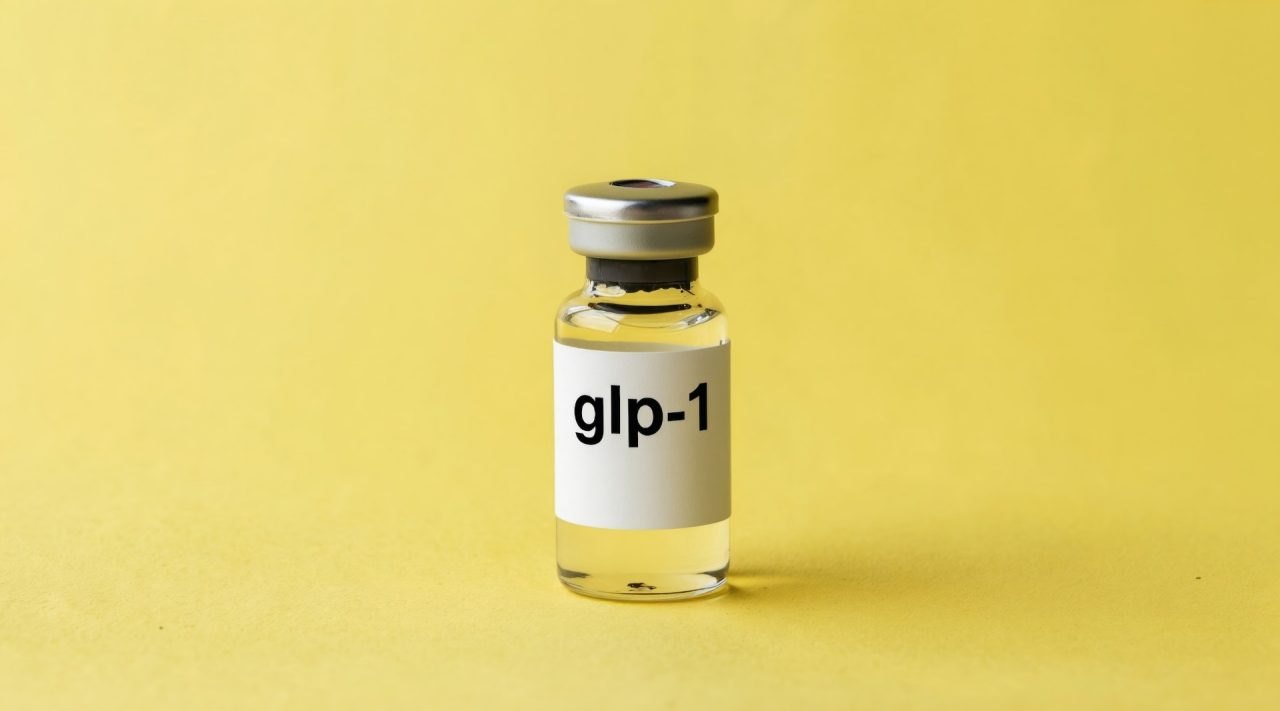
GLP-1 stands for glucagon-like peptide-1, a gut hormone that helps regulate blood sugar and appetite. Drugs that switch on its receptor mimic that signal. Ozempic, Wegovy and Rybelsus contain semaglutide, and Mounjaro and Zepbound contain tirzepatide.
Copies made by compounders lack FDA approval equal to the branded medicines. During the high point in 2024, close to one in three people in the United States using a GLP-1 medicine reported obtaining it through a compounding pharmacy. Patented GLP-1 medicines carry list prices that can exceed $1,000 each month, and doctors say the price and availability pressures pushing patients toward compounded options are genuine.
The recipes frequently vary in small but important respects. Certain compounders rely on salt versions like semaglutide sodium, forms without demonstrated safety and efficacy in people and without FDA approval. Many mix in vitamin B12 plus other extras such as B6, niacinamide, glycine or carnitine with no established value for weight control or diabetes care. A 2026 study showed tirzepatide mixed with B12 may join chemically, creating a different molecule absent from the FDA-approved medicine, a result Eli Lilly also reproduced.
Measurement creates a separate hazard. The FDA has noted episodes in which patients with multidose vials took 10 to 20 times the intended amount in error. Some compounding pharmacies market under-tongue drops or melt-in-mouth tablets with semaglutide or tirzepatide that never underwent study in clinical trials. Poison control centers around the United States have recorded growth of more than 15 times in calls tied to injected weight-loss medicines since 2019.
The FTC granted final approval to an order involving telehealth company NextMed and principals Robert Epstein and Frank Leonardo concerning GLP-1 weight-loss programs. In July 2025 the FTC claimed in its complaint that NextMed sold weight loss programs with hidden costs, unsupported weight loss statements, false testimonials and skewed reviews. The final order directs payment of $150,000, likely to fund refunds to consumers, and demands competent and reliable evidence behind statements about average or typical outcomes.
Marina Basina, MD, clinical professor in endocrinology, gerontology and metabolism, said compounded drugs used by patients on GLP 1s without medical supervision carry serious risk and can bring serious consequences,

Heather Castellan
Heather looks after the brands Gloss Report works with and makes sure every sponsored page says so. She was a colour cosmetics buyer for seven years, which is where she learned how a shade range gets cut before it ever reaches the shelf.
More from Heather Castellan →