Clove + Hallow began in a spare bedroom in West Midtown Atlanta in 2017, and it still talks like a working kit. Sarah Biggers-Stewart wanted clean makeup with real pigment, wider shades and prices that did not punish breakout prone skin. This conversation tracks that shift to Clover.
West Midtown Atlanta is warehouses, film sets, bridal suites and traffic on Howell Mill Road. It is where Sarah Biggers-Stewart rebuilt her makeup kit after six months bedridden with panic disorder and depression, and where she started testing clean formulas on diverse clientele who needed coverage to last through long days.
She came to the work sideways. An engineering graduate who chose artistry over law and tech, she had done film, editorial and bridal, then one on one consultations. When holistic medicine helped her recover, she became ingredient conscious and found the clean aisle thin. Shades were sheer or boring, ranges were narrow, prices were high. She launched Clove + Hallow from her spare bedroom to fix that, with the tagline Beauty Basics That Are Anything But.
What the brand is now is Clover by Clove + Hallow, priced from 11 to 25 dollars, vegan and cruelty free, capped at 15 ingredients per product, made in the USA in GMP certified facilities. What others miss is how operational the promise is. Biggers-Stewart prices by cost to produce, delays launches to fix stability, and publishes swaps as older formulas retire. For Gloss Report readers, that matters because breakouts from makeup are rarely about one villain ingredient. They are about wear time, removal, shade match that prevents layering, and a tube you will actually repurchase.
You launched Clove + Hallow in 2017 from a spare bedroom in West Midtown Atlanta after rebuilding your kit post illness. What did that spare bedroom setup let you see about everyday women that a lab or a mood board would have missed.
I was always obsessed with makeup and skincare, but teaching people new makeup techniques and outfitting them with a custom routine made my soul sing. In that spare bedroom I was not thinking about a brand at first. I was thinking about my clients. My shade ranges were boring or limited for my diverse clientele, most products were too sheer to work for everyday women, and worst of all, everything was so expensive. That sentence has followed me ever since.
After a struggle with panic disorder and depression, I decided I was done being passive about my lifestyle, my health, and the health of the planet. I had just recovered from a debilitating illness that stole my life away for six months. Only with the assistance of holistic medicine, something I had never before considered, did my life turn back around. So I started reading labels the way I read call sheets. What is in this, who is it for, will it hold under lights. The spare bedroom kept me honest. Small batches, real faces, no hiding behind scale. If a concealer creased by hour six, I heard about it that week.
On February 14, 2018 Allure published a love letter to your Lip Velvets. That kind of early press can pull a young brand toward lip color at the expense of base. How did you keep complexion for breakout prone skin at the center when lips were getting the attention.
That Allure piece meant a lot. Lip Velvets were pigmented and comfortable, and they proved our point that clean could pay off like the brands I loved as an artist. But my consultation clients were not asking for another lip. They were asking for base that would not cause a new breakout by Friday. So we kept the focus on breathable coverage with zero pore clogging ingredients, even when lips sold faster.
I take pride in knowing that I can 100 percent stand behind every single product we launch. That meant saying no to sheer formulas that looked fine in a swatch and disappeared on deeper skin, and no to heavy full coverage that looked good at 8 a.m. and separated by lunch. The Liquid Skin Tint was our answer for a while. Water, coconut alkanes, glycerin, silica, sunflower wax, titanium dioxide. Buildable, demi matte, made to be worn alone or mixed with oil or serum. Payoff here means color release in one swipe. Finish means how it sets, dewy or matte. Wear time means how it looks at hour eight, not hour one.
Your current hero Skin Is In Tint plus Blur Balm builds on the Balancing Water Balm base with light buildable coverage and blur technology. What did you learn from Liquid Skin Tint in shades 03 to 10 about undertone, shade extension and transfer that shaped this balm.
Liquid Skin Tint taught me that numbered shades only work if undertone is honest. Undertone is the warm, cool or neutral cast under the surface color. If you get it wrong, the client layers more product to correct it, and layering is what leads to congestion and transfer onto collars and phones. Transfer means what moves off the face. We watched shades 03 to 10 and listened to who had to mix, who oxidized warm by afternoon, who needed blurring around pores rather than more coverage.
Skin Is In is our response. It starts from a moisturizer base people with complicated skin already trusted, then adds flexible pigment and silica driven blur. Blur technology, in plain terms, uses light scattering powders to soften the look of pores. It is a tinted moisturizer in function, a complexion hero in role. Sheer enough to even out, buildable enough for redness, but thin enough to remove cleanly at night. For breakout prone wearers, removal is part of the formula. If it takes three passes to remove, it is too much for daily wear.
Camo Cover Concealer at 20 dollars uses castor seed oil, silica, cocoa butter and aluminum starch for full coverage with a skin like finish in a sugarcane bioplastic tube. How do you balance pigment load against cake and crease when the brief is dot and blend over breakouts, dark spots and under eyes.
Pigment load is how much color is packed into the base. More load means more cover per dot, but also more risk of cake, which is that thick, dry buildup in lines and around flakes. With Camo Cover we wanted full coverage that still looked like skin, never cakes, never creases under the eye. The trick was to pair oil absorbers with emollients. Silica and aluminum starch take up excess oil and scatter light. Castor seed oil and cocoa butter keep the film flexible so it moves with expression.
Use matters as much as formula. We say dot, then blend, because a small dot over a breakout or dark spot gives payoff without building a second layer over the whole cheek. Under eyes, press rather than swipe. The sugarcane bioplastic tube was a deliberate choice too. Post consumer recycled plastic and bioplastics lower reliance on virgin plastic, and the tube keeps fingers out of the product. For breakout prone skin, a hygienic pack is not a sustainability story alone. It is a skin story.
Conceal plus Correct Stick came in 10 buildable shades with natural minerals and argan oil and a promise it would disguise without creasing. As you move originals to Clover swaps, what makes a concealer worth keeping, reformulating or retiring.
What challenges have not I faced is almost a joke in our studio, because stability will humble you. We delayed launches to fix stability issues rather than ship flawed formulas. If a stick dragged on dry patches, or separated in Atlanta heat, or the tenth shade still left someone out, we did not ship it. I would rather explain a delay than process returns for anything sold as universal.
A keeper has to do three things. It has to match a real undertone across light to deep, it has to hold its finish through a workday without settling, and it has to come off without a fight. Conceal plus Correct taught us that minerals plus argan oil could disguise without that dry crease, but the market moved toward fewer ingredients and lower prices. Our Clover rule is 15 or fewer ingredients per product, priced by what it costs to produce. If we can keep the wear and improve the shade extension at 11 to 25 dollars, we reformulate. If not, we publish a swap and retire it cleanly.
I take pride in knowing that I can 100 percent stand behind every single product we launch.
Sarah Biggers-Stewart
You set out to be MAC like on pigment and diversity at clean beauty prices, and then in June 2021 you launched Clover to make clean makeup a drugstore mainstay at 11 to 25 dollars. What did sell through tell you about doors, reorders and waitlists that made a second, cheaper line necessary.
Sell through is what actually scans at the register versus what shipped to the store. Doors are retail locations. A reorder is the second order that proves the first was not curiosity. As artists we love pigment, but buyers look at reorders. Our premium Clove + Hallow formulas had fans, yet everyday women told us price kept them from repurchasing concealer twice a year. If they cannot repurchase, there is no waitlist, only a clearance bin later.
Clover was our answer to that math. Same mission, tighter ingredient count, packaging with post consumer recycled plastic and recyclable materials, made in the USA in GMP certified facilities. GMP means good manufacturing practice, audited hygiene and records. By pricing to cost to produce and keeping the range focused, we could stay in doors longer and earn restocks. A restock is the quiet win. It means shade 07 sold, not just shipped. That is how clean becomes a mainstay rather than a special occasion purchase.
Your mission says makeup for all skin tones, backgrounds, genders, orientations, sizes and creeds, and you formulate without parabens, petrochemicals, talc or synthetic fragrance. Where is the shade range honest and where does it still stop short, in your own audit.
I will be direct. We do better than the sheer, narrow ranges I saw when I started, especially on everyday wearability and undertone splits in the middle of the range. Artists tell us our depth steps look smoother than expected at this price, and that matters for sell through across doors. But no 10 shade concealer covers everyone well, and I will not call a medium deep warm a universal deep neutral.
What would make it sell harder is more depth at the deepest end with distinct undertones, plus a true corrector shade that does not ash out under foundation. Dupe culture helps here. A dupe is a close color match at a lower price, and clients will tell you fast when your dupe misses undertone. We read those comments like sales data. Shade extension, adding shades to fill gaps, is on our roadmap when stability and cost allow. I would rather add two correct shades than ten lookalike lights.
You talk about standing behind launches and fixing stability before shipping. Walk us through a delay, what failed, what you changed, and what the wear test looked like before you approved it.
One tinted base separated in heat testing. In the lab it looked fine, then in a warm car it oiled out and the pigment pooled. Transfer went up, wear time fell apart by hour five. We could have masked it with extra filler, but that would have made it cake on textured skin. So we paused, rebalanced silica and wax, lowered one emollient, and reran wear tests on different skin types with blotting at lunch.
Our panel is not just even skin. It includes breakout prone, oily through the T zone, dry cheeks, deeper tones where ash shows fast. We check payoff in one layer, finish at hour one and hour eight, transfer to a tissue and a collar, and how it removes with a fragrance free oil cleanser. Only when the same tube passes heat, cold and a long day do I sign. Welcome to Clover. We cannot wait for you to ShowYourClove is our sign off, but behind it is paperwork, micro testing and a lot of patience.
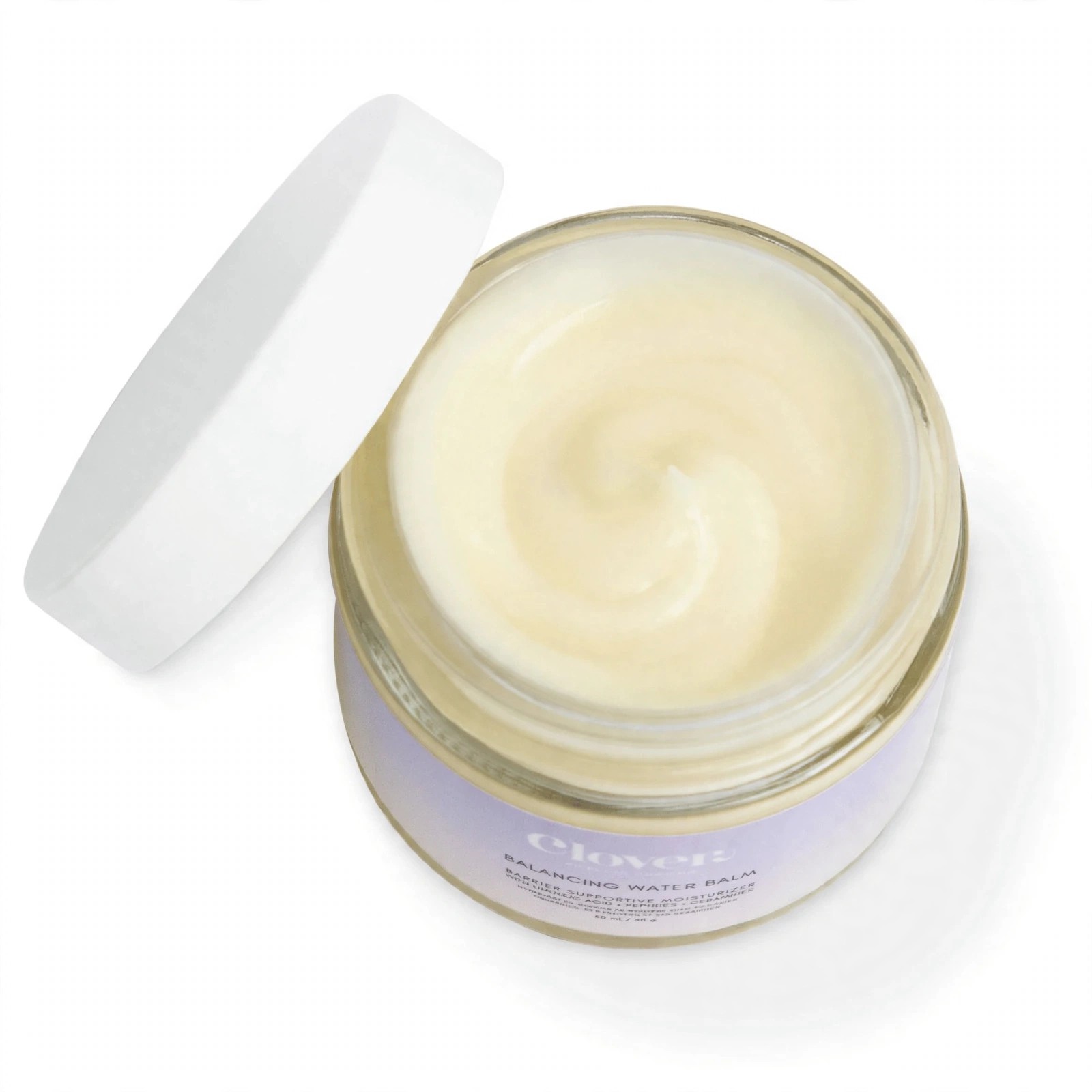
Breakouts from makeup is the hook for this piece. Your claim is breathable coverage with zero pore clogging ingredients. What should a reader who breaks out realistically expect, and what routine around the makeup matters more than the makeup itself.
Expect support, not treatment. Makeup does not clear skin. What it can do is avoid adding friction. Our approach is fewer ingredients, non heavy emollients, oil control that does not strip, and shades that match so you use less. Use thin layers, dot where needed, blend edges, set only where you get shiny. At night, remove fully. A fragrance free oil cleanser first, then a gentle second cleanse, then moisturizer. If a foundation takes heavy scrubbing to remove, wear time is not worth it.
Patch test a new shade along the jaw for a few days. Keep fingers and brushes clean. Do not share sticks. If you are between shades, do not layer two full pumps. Mix a drop or sheer the edges. The appearance of smoother skin comes from even tone plus light blur, not thickness. If you flare with every base, see a dermatologist and bring your ingredient list. I am a founder and a former artist, not your clinician, and I want readers to hear that clearly.
Clover by Clove + Hallow won Best Vegan Certified Cosmetic Products in Georgia at the 2024 Global Vegan Awards. What does that kind of third party stamp change on the retail floor, and what do you still have to prove shade by shade.
A stamp helps a buyer say yes faster. PETA certified vegan and cruelty free tells a retailer and a new client that an outside group checked our animal testing and animal derived ingredient statements. Certified Net Plastic Neutral tells them packaging impact is measured. In doors, that shortens the conversation so we can talk about what moves units. Do we have your undertone, does it last a shift, will you reorder.
What we still have to prove is shade by shade sell through. Awards do not fix a gap at the deep end or a concealer that pulls peach on cool skin. Only reorders prove that. So we keep publishing swaps as originals retire, keep prices at 11 to 25 dollars so repurchase is possible, and keep listening to artists who swatch on real clients. My pride is not the trophy. It is when someone with complicated skin finds a simple routine and comes back for the same tube.
Closing note from the desk
What stays after this conversation is an operator who thinks like an artist and a buyer at once. Biggers-Stewart talks undertone and pigment load in one breath, doors and reorders in the next, without losing the client who just wants to get through a breakout week without looking flat.
The brand set out to do a plain thing well. Affordable, consciously made makeup for everyone, with pigment that shows up and base that does not pick a fight with skin. Clover by Clove + Hallow still has shade gaps to close, and it says so. That candor is why the sell through story is worth watching.
Product spotlight
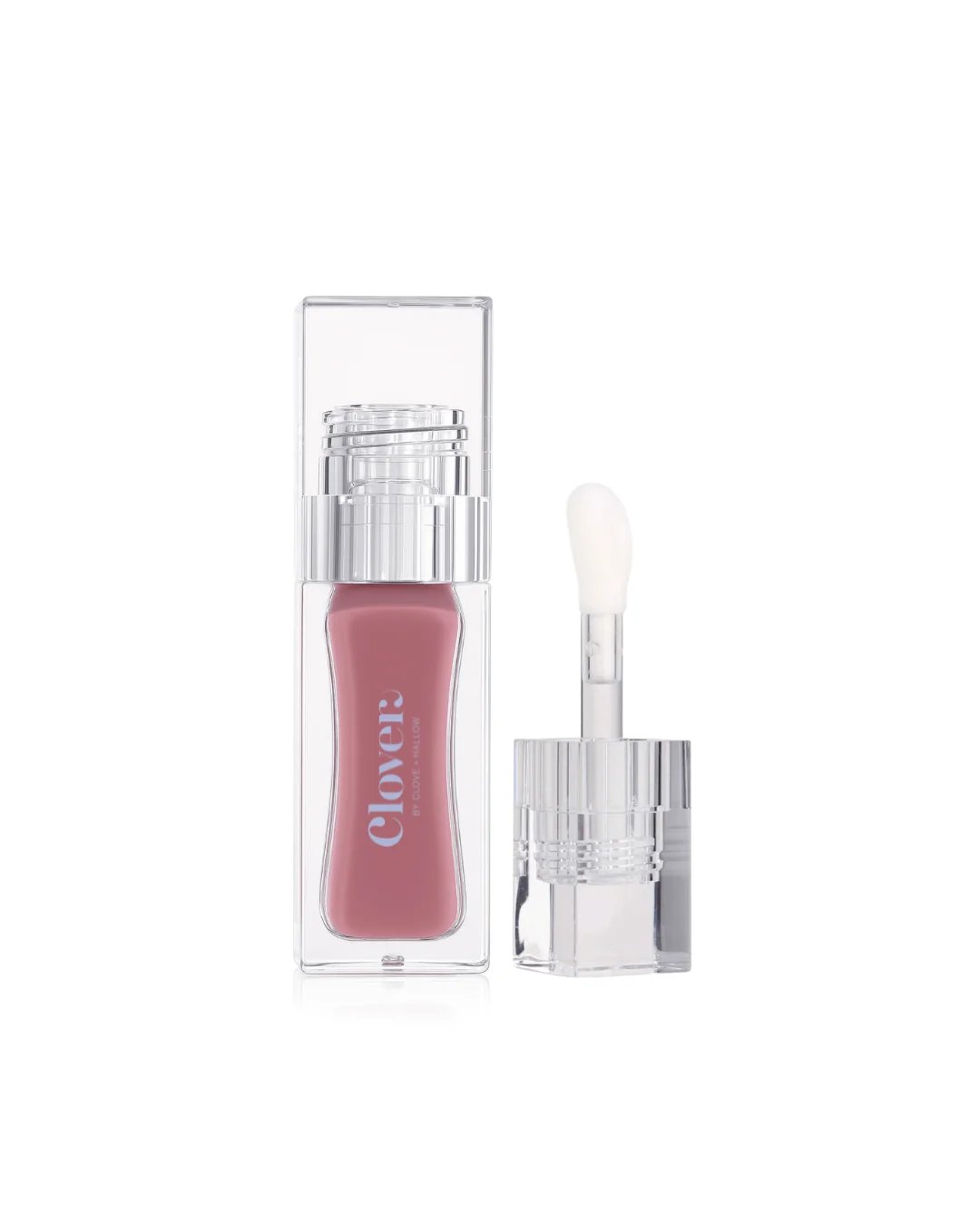
Collagen Cloud Tinted Lip Oil, 18 dollars. A juicy semi tinted lip oil with high shine and no stickiness, plus a collagen boosting extract to support the look of smoother lips. Use alone for sheer color, layer over liner for definition, blot once if you want more stain than shine.
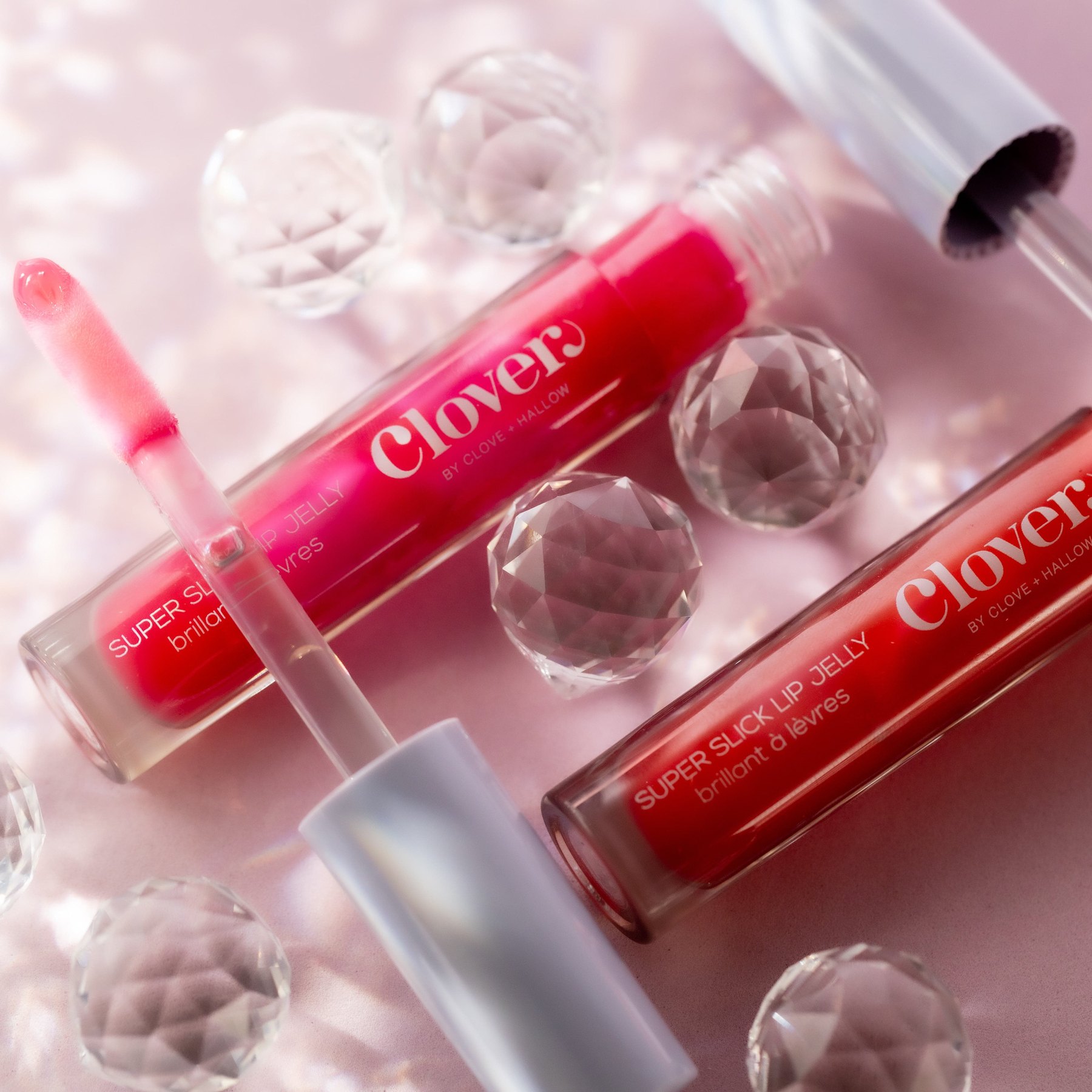
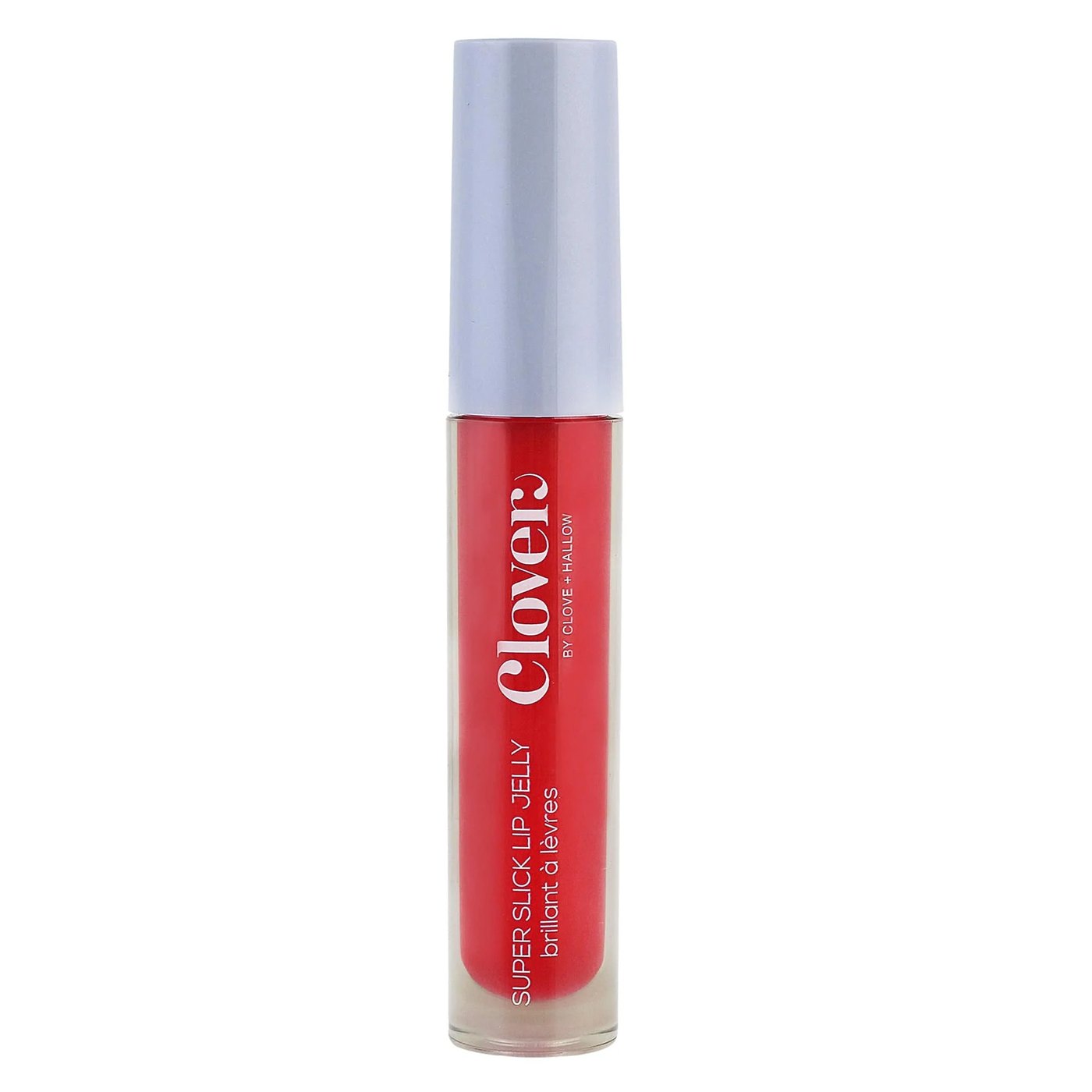
Super Slick Lip Jelly, 12 dollars. An 82 percent naturally derived vegan lip gloss in clear Go To for sheer wet look color that never feels sticky. Use as a topper over lip color or alone, dab a small amount to the center of lips and press together.

Whitney Doyle
Whitney runs the news desk and the kit guides at Gloss Report. She keeps one spreadsheet of every launch date, restock and shade extension of the year, and can usually tell you the week a blush sold out and the week it came back.
More from Whitney Doyle →