- An evidence review dated 21 August 2026 reexamined bakuchiol beside retinol and urged clearer retail language.
- The central 2019 study tested 0.5% bakuchiol twice daily against 0.5% retinol nightly for 12 weeks in 44 people.
- Wrinkle area and dark spots improved in both arms, while scaling and stinging clustered in the retinol arm.
AutyFIT Editorial posted an evidence review on 21 August 2026 that revisited bakuchiol as a retinol alternative. The review focused on a 12 week head to head trial from 2019 and asked for clearer claims on labels and shelves.
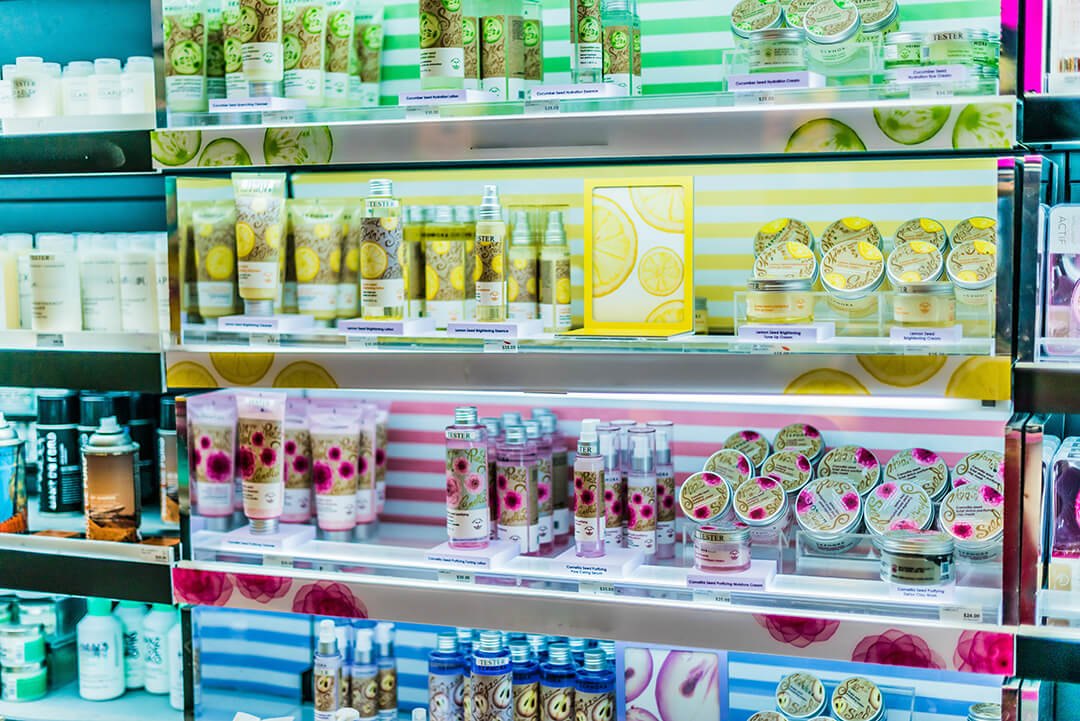
Rules say a cosmetic claim should track the tested formula, and retail copy rarely does. That gap prompted the August review, which returned to the most cited bakuchiol against retinol study and asked for tighter wording on pack and shelf. For shoppers who cannot tolerate nightly retinol, the takeaway stays narrow and practical.
The best studied pairing showed similar gains in visible photoageing with easier wear for bakuchiol. Such a finding applies to a single tested routine. It fails to turn each bakuchiol serum into a retinol match.
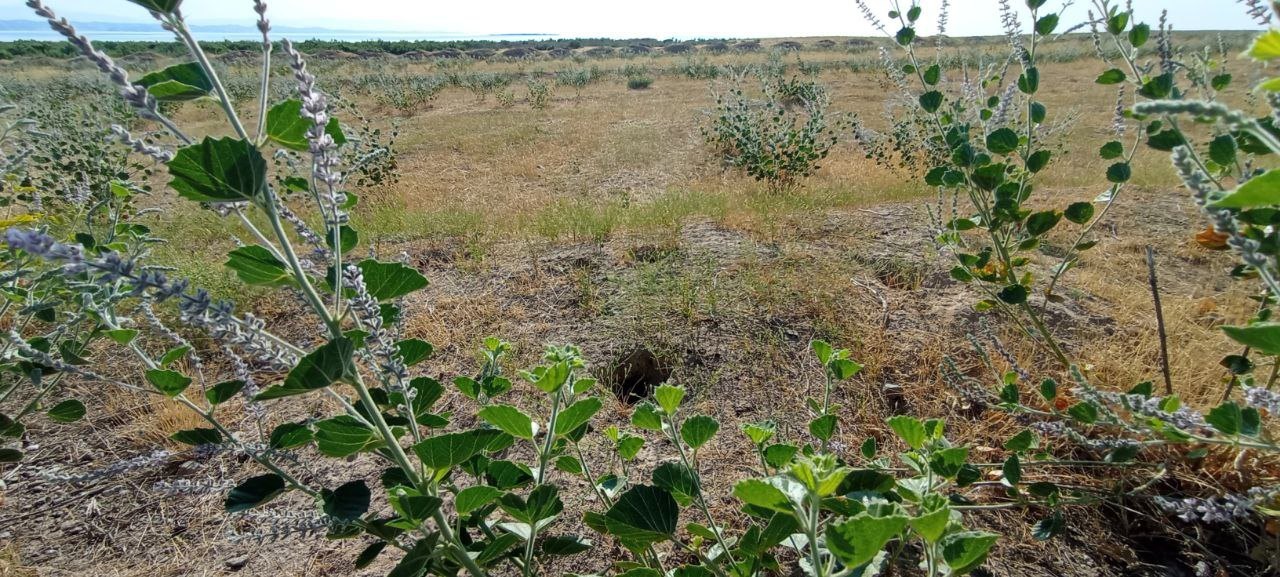
Botanical sourcing explains part of the confusion. Bakuchiol is a meroterpene phenol linked to the seeds and leaves of Psoralea corylifolia, also listed as Cullen corylifolium in some references. Seed oil, dilute extract and high purity bakuchiol act as separate inputs. Its bakuchiol raw material was described in the 2020 Pierre Fabre study as approximately 95 percent pure.
Design details matter for any launch story built on this trial. Registration on ClinicalTrials.gov carries the code NCT03112863. Investigators assigned 0.5 percent bakuchiol twice daily against 0.5 percent retinol once daily for 12 weeks in 44 participants. Significant decreases in wrinkle surface area and hyperpigmentation appeared in both groups, with no statistical difference between compounds on those outcomes. Fine lines and hyperpigmentation were described in one summary as falling by 20 to 30 percent.
Comfort marked the split between routines. Reports of facial scaling and stinging were higher with retinol than with bakuchiol. Chaudhuri and Bojanowski wrote in the British Journal of Dermatology in 2019 that their study shows bakuchiol rivals retinol for improving photoageing while proving better tolerated.
Mechanism accounts for attention while limiting the sales pitch. Skin turns retinol into retinoic acid that binds retinoid receptors, whereas bakuchiol does not convert to retinoic acid. Work on gene expression from 2014 found bakuchiol switched on downstream collagen boosting pathways while suppressing MMPs that break down collagen. Later write-ups lean the same direction. Searching PubMed and EMBASE for bakuchiol and photoaging, a review in the Journal of Integrative Dermatology included seven articles from 2014 to 2021, and concluded bakuchiol demonstrated comparable efficacy and better tolerability than retinol when tested side by side. After 12 weeks, a 2024 study in the Journal of Cosmetic Dermatology reported comparable efficacy for photoaging and hyperpigmentation with fewer reports of redness and scaling.
Dose and sourcing will decide the next round of launches. Because the head to head tested different regimens, it weighed routines rather than gram for gram potency. Cell, animal and human results are often folded by product language into one studies show claim, which overstates what cosmetic trials measured. A market analysis by Grand View Research in 2025 projected the global bakuchiol market to grow at a compound annual growth rate of 7.5 percent through 2030, which could mean more formulas with less clarity.
For now, view bakuchiol as one steady option for sensitive routines, not a full swap for every retinoid result.

Whitney Doyle
Whitney runs the news desk and the kit guides at Gloss Report. She keeps one spreadsheet of every launch date, restock and shade extension of the year, and can usually tell you the week a blush sold out and the week it came back.
More from Whitney Doyle →