- Old EU wording for formaldehyde releasers ended 31 July 2026
- New warning starts at 0.001 percent as longer fragrance allergen list phases in
- Shared US formulas now face a pack update or a preservation rebuild
Commission Regulation (EU) 2022/1181 changed the labelling rule for preservatives that give off formaldehyde. The scientific committee for consumer safety had found the former 0.05 percent trigger did not shield consumers already sensitive to formaldehyde from contact dermatitis. Products with the previous phrasing could sell through until 31 July 2026, when full compliance took effect.
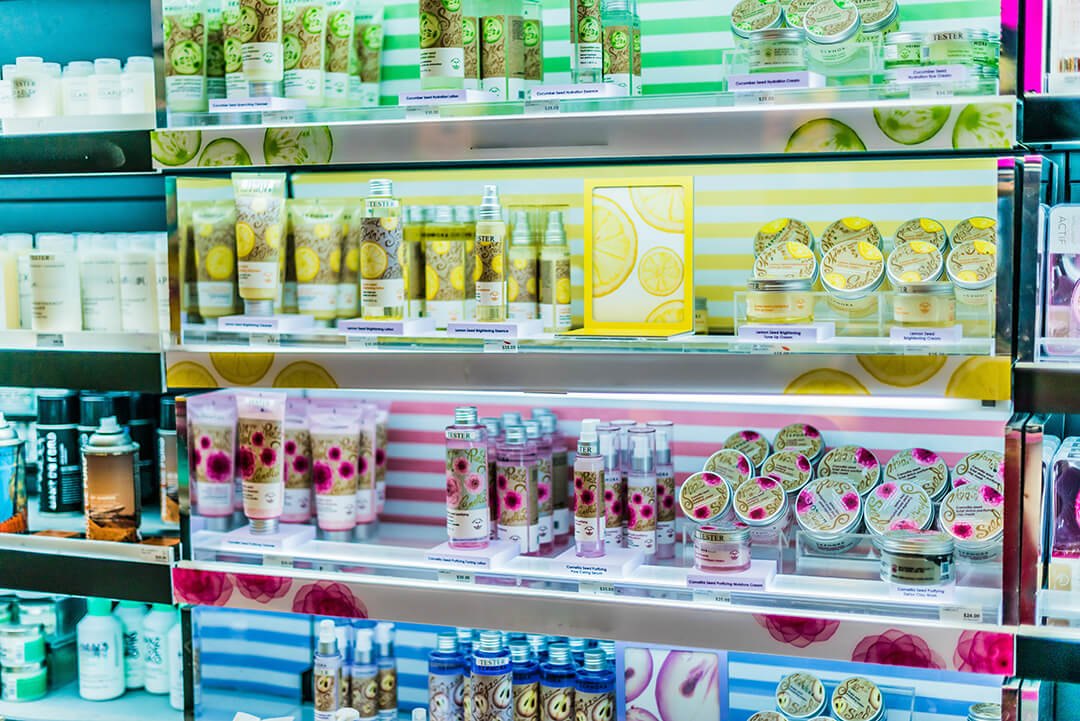
After that date, every finished cosmetic sold in the EU that releases more than 0.001 percent total formaldehyde, or 10 ppm, has to print the words releases formaldehyde. The prior threshold sat fifty times higher at 0.05 percent or 500 ppm. For shoppers who scan for diazolidinyl urea, DMDM hydantoin or sodium hydroxymethylglycinate, the change is concrete. A moisturiser that once carried no caution could now require one.
That same cutoff carried a second labelling shift. 31 July 2026 was the placing on the market date for goods meeting the wider fragrance allergen list in Regulation (EU) 2023/1545. Inventory already on the market before that date can continue to be made available until 31 July 2028.
For labels that use one formula across both markets, the option set is narrow. Retain a formaldehyde releasing system and print the warning on shared packs, including jars sold in the United States, or drop the releaser and reconstruct preservation with fresh testing and sourcing. Botanical formulas do not escape the problem. A rose water toner or a tea infusion still requires defence against yeast and mould after water goes into the bottle.
Nearby EU ingredient rules moved on close dates. Commission Regulation (EU) 2026/78 applies from 1 May 2026 and replaces Annex V entry 7 to add Sodium o-Phenylphenate alongside o-Phenylphenol with a combined limit, after an opinion of 25 October 2024. That same rule moved fifteen substances classed as carcinogenic, mutagenic or toxic for reproduction to the banned list with no transition period. Trimethyl borate and N,N’-methylenediacrylamide were barred from that May date with zero sell through allowed.
More revisions sit ahead. Commission Regulation (EU) 2026/909 was published on 28 April 2026. For many covered products, non compliant goods may no longer be placed on the market from 1 January 2027, with remaining stock to clear by 1 July 2028.
Across the Atlantic there is no federal ban on PFAS in cosmetics. The Modernization of Cosmetics Regulation Act told the Food and Drug Administration to review PFAS in cosmetics and release a safety report by 29 December 2025. State level rules now hold greater influence. Minnesota asked manufacturers to report intentionally added PFAS, with the first deadline extended to 1 July 2026. Connecticut mandates reporting plus labeling for cosmetics and other goods starting 1 July 2026.
What matters now is the pack in your hand. A US label suddenly stating releases formaldehyde does not mean formaldehyde was added directly. It signals the finished product tops 10 ppm of released formaldehyde. The caution aims to protect already sensitised shoppers, not to declare all low level exposure unsafe for all users. It remains unclear which specific US products exceed that level because current sources lack brand level testing data.
Study the back label closely, then buy by skin history rather than fear. When formaldehyde sensitivity is known, the fresh warning plus fuller allergen list ease avoidance.

Kendra Pruitt
Kendra produces the founder interviews at Gloss Report: the research, the question lists, the follow-ups. She spent five seasons assisting session artists backstage in New York, so her first question is usually about wear time under hot lights.
More from Kendra Pruitt →