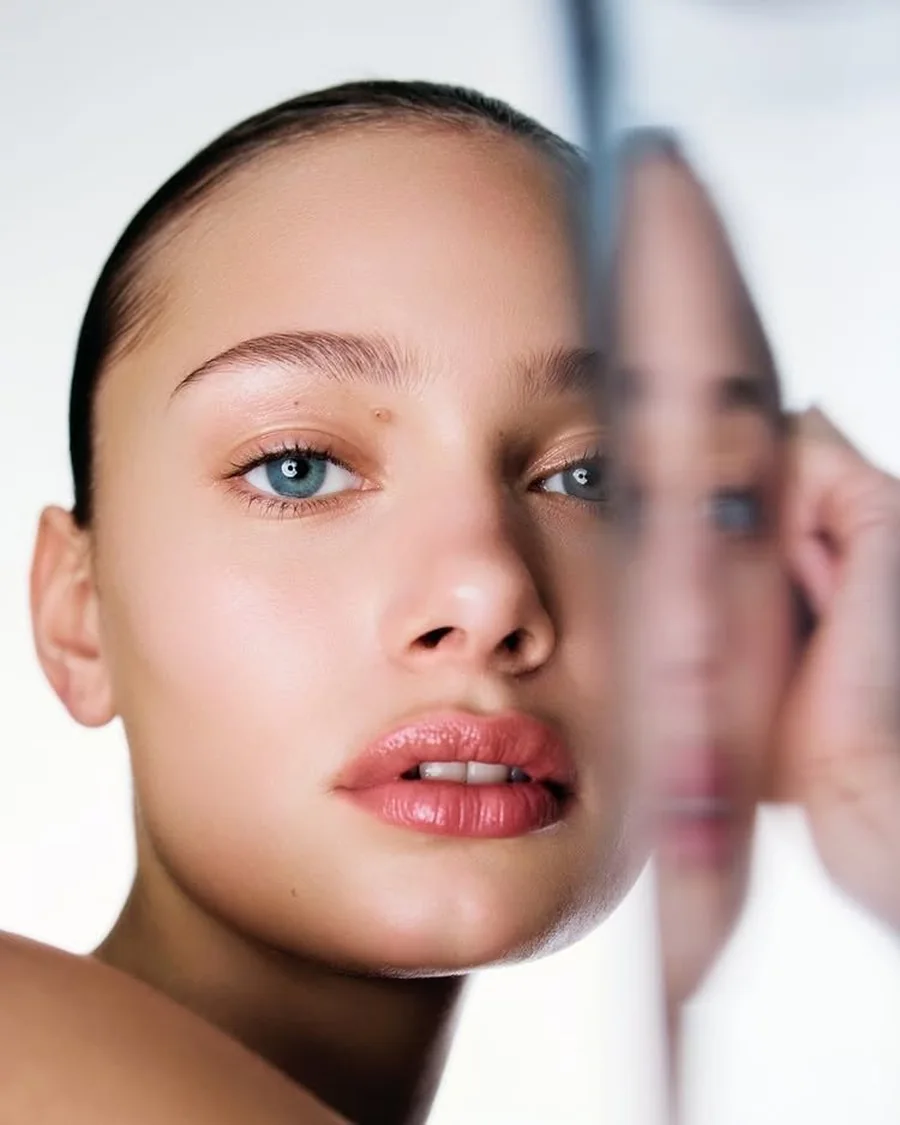
Long wear eye makeup fails in the same places. Lids turn oily by noon, mascara transfers to skin, liner migrates toward the tear film. Control oil first and place pigment where it can stay, and morning application can still read clean at night.
Prep lids that hold colour
Smudging often starts before any colour goes on. Skin oils collect in the crease, eye cream travels toward lashes with warmth and blinking, and then shadow creases and mascara softens. The fix is a drier, sealed canvas, not a thicker layer of product.
Start with clean lids. Blot the mobile lid and under eye lightly with tissue or blotting paper to lift surface oil. Keep daytime eye cream light and keep it off the lash line, since heavy oil based eye cream applied near the lash line can break down mascara and cause transfer. If lids feel dry, hydration belongs on the orbital bone and outer corner, not at the roots of lashes.
Primer comes next. Apply a thin layer from lash line to brow and let it set for thirty seconds. A dusting of translucent powder over primer acts as an oil barrier through the day, which matters for oily lids and for hooded or deep set eyes where lashes brush brow bone or under eye skin when blinking. That contact is mechanical. Lift and separation prevent more transfer than extra mascara ever will.
For very oily lids, powder eyeshadow usually has more staying power on its own, especially for long days, while cream can be set with powder on top for extra wear. Think of powder as blotting paper with pigment. It absorbs oil instead of floating on it. Cream formulas need a different plan, covered below, but the prep stays the same.
Choose tubing or pigmented mascara
Katie Mellinger, celebrity makeup artist, puts the choice plainly: “Think about what you want the finish to look like and what your goals are for your lashes.”
Tubing mascara uses water based polymers that wrap each lash in a flexible tube that dries in place. Regular mascara is oil and wax based and can soften and transfer with heat, water or friction. That difference explains the morning to night story. Tubes resist tears and humidity because the polymer film does not melt the way wax does. Tubing mascara is removed with warm water and gentle pressure, with tubes sliding off intact rather than smearing, so lower lashes stay cleaner during removal too.
Pigmented waterproof mascara works another way. Waterproof mascara uses waxes and silicones to seal against moisture and is positioned for humid climates, gym sessions or teary events. It can deliver denser pigment load and more maximum dramatic volume than many tubing formulas, which is why artists still keep both in the kit. Water resistant sits between the two as a lighter everyday option, with some sweat resistance and easier removal.
Removal decides a lot here. Waterproof needs a dedicated remover and more patience, and harsh rubbing can weaken the tear film and pull lashes. Tubing needs only warmth and slip. For sensitive eyes or contact lens wearers, that gentler exit often outweighs extra drama.
On price and access, e.l.f. Lash XTNDR costs about 7 to 8 dollars and is noted as a drugstore tubing favorite with a silicone brush. Silicone brushes comb through and separate, which helps hooded eyes where clumps transfer faster. Whatever the brand, wipe method matters. Two thin mascara coats are recommended over one thick coat, with excess scraped off the wand before applying. Thin coats dry faster, flake less and transfer less.
| Formula | How it holds | Best for | Tradeoff |
|---|---|---|---|
| Tubing polymer | Flexible tubes resist smudge from tears and humidity | Oily lids, sensitive eyes, long days | May offer less maximum dramatic volume |
| Waterproof pigmented | Waxes and silicones seal against moisture and sweat | Humidity, workouts, teary events | Harder to remove, needs remover and gentle technique |
| Water resistant | Lighter seal for daily wear | Everyday definition | Less protection in heavy sweat or rain |
Curl, layer and line with intent
Curl lifts lashes off skin, which cuts transfer at the source. Mechanical curlers work when used on clean, dry lashes with a steady squeeze at the base, then a walk out toward the tips. Heated eyelash curlers need caution. Heated eyelash curlers often range from 100 degrees to over 200 degrees Fahrenheit, while first degree burns occur at 118 degrees and second degree burns at 131 degrees. Natasha Herz, MD, clinical spokesperson for the American Academy of Ophthalmology, warns: “Human skin can sustain first-degree burns at 118 degrees Fahrenheit and second-degree burns at 131 degrees.” Eyelid skin is thin. There is no established safe temperature threshold for heated tools on lids, so keep heat away from skin and test on the back of the hand first.
After curling, apply mascara in thin layers. Wipe the wand, look down into a mirror to keep wet tips off the brow bone, and paint roots first for density before pulling through. Let the first coat set tacky before the second. For hooded eyes, add a powder safety net. A sheer veil of translucent powder under eyes catches fallout and absorbs oil without caking, and it brushes away clean.
Tightlining places pigment at the base of lashes along the upper waterline to fill gaps between lash roots so lashes look fuller without a visible lid line. For tightlining, a creamy waterproof pencil that glides is recommended, working in small strokes and letting it set before mascara. Set means hands off. Blinking too soon presses wet liner onto the lower rim.
Placement also protects comfort. A randomized parallel group study of 75 participants found inner eyelash line application caused greater and more rapid tear film contamination than outer line application. The TFOS Lifestyle Report links cosmetic products to tear film contamination and dysfunction and makeup migration to meibomian gland blockage. The American Academy of Ophthalmology advises applying makeup outside the lash line to avoid blocking oil glands that protect the eye surface. The practical compromise used backstage is upper tightline only, in short strokes, with liner just above lashes if eyes run dry or lenses are worn. Keep liner off the lower waterline when eyes feel sensitive, since that zone sits closest to the tear film.
Pencil versus liquid follows the same logic. A creamy waterproof pencil, ideally ophthalmologist tested, forgives small strokes and sets to a flexible film. Liquid gives a sharper finish and longer wear time on the lid, but it transfers faster if a hooded fold touches the line. For lower definition, smoke a powder or a pencil just beneath lashes rather than inside the rim.
Pick powder or cream shadow
Powder absorbs oil and holds shape. Cream delivers saturated payoff in one swipe but moves unless it is set. Neither is better in the abstract. The lid decides.
Oily lids usually do best starting with powder. It grips primer, stays matte longer and resists creasing through heat. Use a flat brush to press colour on, then a fluffy brush to soften edges. Pressing deposits more pigment load with less fallout than sweeping back and forth.
Cream suits dry lids or short wear days when a wash of colour needs speed. Cream eyeshadow is applied with fingertips and must be blended quickly because it becomes harder to blend once dry. Warmth helps it melt in, then set it. Layer cream then powder for depth. The cream acts as a base that deepens tone, the powder on top locks the finish and extends wear time. One cream eyeshadow source states waterproof and smudge-proof formulas provide up to 12 hours of wear on oily lids. For oily lids worn on its own, powder is the steadier choice. Evidence here is mixed and brand specific, so treat long wear claims as a starting point and watch hour eight in the mirror.
Fallout control belongs in application order. Do eyes before base when using powder shadow or shimmer, then clean under eyes before foundation. Tap excess off the brush before touching the lid. Keep glitter away from the lash line. Glitter eye makeup is a common cause of corneal irritation or infection, especially for contact lens wearers. A pilot randomized crossover study of three participants found glitter eyeliner migration peaked within 10 minutes and was negligible after 2 hours. Small sample, but the direction is clear. Shimmer travels early, so placement and removal matter most in the first hour.
Brush hygiene and shelf life matter as much as formula. Clean brushes weekly with gentle soap, rinse well and dry flat. The American Academy of Ophthalmology advises throwing away eye makeup after three months because bacteria grow easily in creamy or liquid eye makeup. Never share eye products. Remove makeup before sleep. A 50-year-old woman who slept with mascara on for more than 25 years developed black lumps under eyelids leading to follicular conjunctivitis. The case is extreme, but nightly removal protects both lashes and the tear film.
Remove gently and keep lashes intact
Good removal is part of long wear. It resets the tear film and keeps lashes dense enough that less product is needed tomorrow.
Remove nightly with a gentle remover or plain petrolatum or tear free baby shampoo worked lightly along lids. Baby shampoo is an ophthalmologist recommended tear-free product for washing eyelids and is recommended for people prone to styes, chalazia and blepharitis. Use lukewarm water, soft pressure and short holds over mascara to dissolve or slide tubes free. Avoid harsh rubbing and gritty scrubs. Rinse and swab the lash base clean with a damp cotton swab, then pat dry.
For tubing mascara, soak a pad in warm water, press for twenty seconds, then slide downward. Tubes should slip off whole. For waterproof pigmented mascara, press with remover first, then sweep without tugging. If raccoon smears persist, add slip rather than pressure. Follow with a mild lid wash to clear residue from meibomian gland openings.
Contact lens wearers should remove lenses before removing makeup. That order keeps remover and pigment off the lens surface and reduces contamination. Replace mascara and liquid liner on schedule even if they smell normal. Bacteria do not always announce themselves.
The checklist
Sources and further reading
- How To Use Cosmetics Safely Around Your Eyes · aao.org
- Is Your Makeup Worsening Dry Eye Symptoms? What to Know · optase.com
- Tubing Mascara, Explained: The Difference Between Smudge-Proof and Actually Smudge-Proof — Brewtiful · brewtifulliving.com
- How To Tightline Eyes · thrivecausemetics.com
- Investigating the effect of eye cosmetics on the tear film: current insights · pmc.ncbi.nlm.nih.gov
- How to Prevent Mascara from Smudging: Expert Tips – Axiology · axiologybeauty.com
For information only, not medical advice. Shade and wear notes reflect our testers' skin; patch test anything new, and check the full ingredient list if you have allergies or sensitive skin.

Heather Castellan
Heather looks after the brands Gloss Report works with and makes sure every sponsored page says so. She was a colour cosmetics buyer for seven years, which is where she learned how a shade range gets cut before it ever reaches the shelf.
More from Heather Castellan →