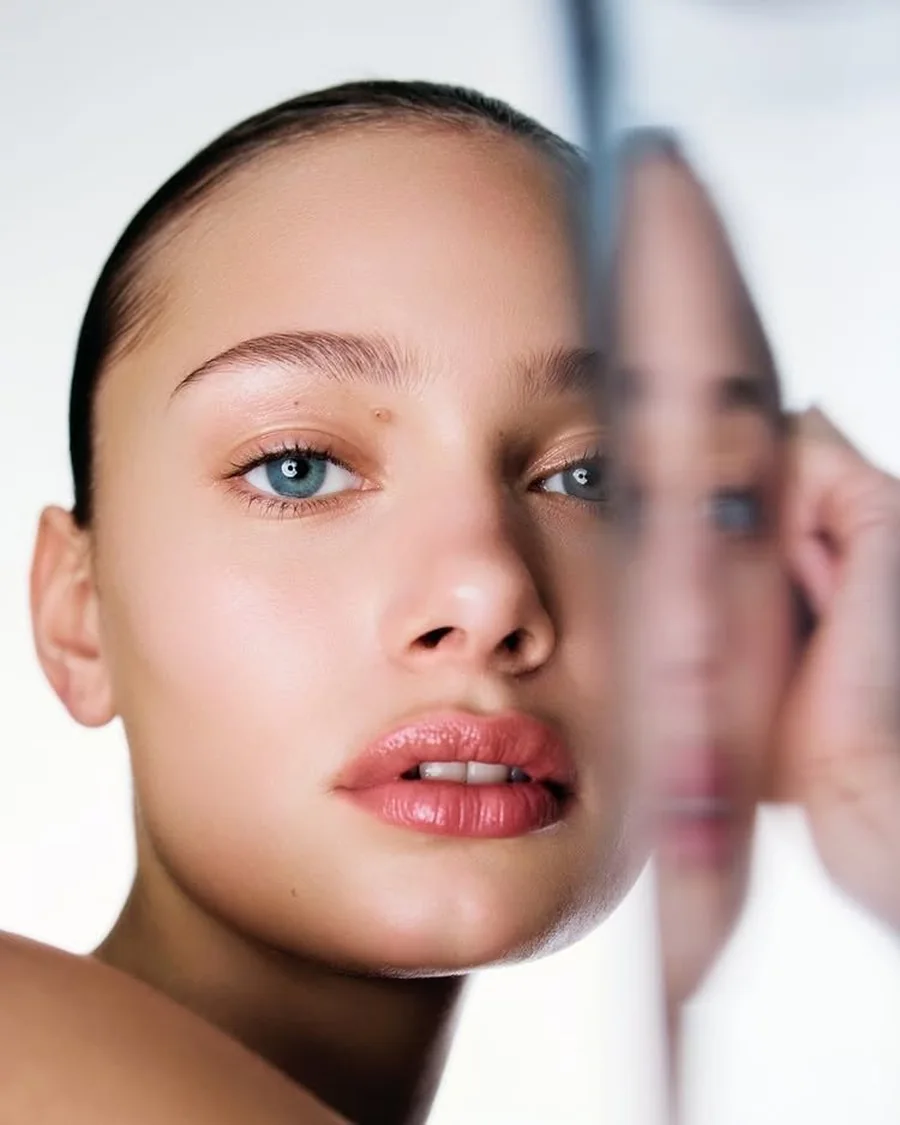
SPF makeup often promises protection and gentleness in the same breath, then leaves skin stinging, shiny or spotted by noon. Once the filter type, the fragrance line and the preservative system make sense, shopping gets simpler and reactions get easier to trace.
Mineral versus synthetic SPF filters in makeup
Mineral in makeup means zinc oxide and titanium dioxide. Both hold confirmed GRASE status under the Food and Drug Administration framework, which is the agency shorthand for generally recognized as safe and effective for the stated sunscreen use. In practice zinc oxide does more of the heavy lifting across long wave UVA1, the range tied to photoaging and pigmentation change.
Dr. Sejal Shah, board-certified dermatologist, puts the mechanism plainly. “Ultraviolet radiation (UVR) from the sun is extremely damaging to the skin,” she notes. Then she adds that “mineral sunscreens contain physical UV filters that block UV rays by creating a protective film on the skin’s surface to help reflect UV rays before they penetrate the skin.” Research summaries describe the action as mainly scatter and reflection at the skin surface, with some absorption at the particle surface.
Synthetic filters, often called chemical filters, work differently. Common names on United States labels are avobenzone, octocrylene, homosalate and octisalate, with avobenzone as the primary UVA workhorse. These carbon based filters absorb into the uppermost layers of skin, take in ultraviolet energy and convert it into a small amount of heat that dissipates. That chemistry explains the timing rule. Chemical sunscreen guidance is to apply roughly 15 to 20 minutes before sun exposure, while mineral is effective immediately after even spreading.
For daily wear the American Academy of Dermatology recommends broad spectrum, water resistant SPF 30 or higher for daily use without specifying a filter type. Broad spectrum means the product has been tested and shown to protect against both UVA and UVB radiation. Shade range, finish and wear time matter for a sale, but protection depends on amount and reapplication. A thin layer of foundation with SPF rarely equals the tested dose, so think of SPF makeup as a top up rather than the whole plan.
Fragrance and essential oil disclosure
On a United States label, a whole perfume blend can appear as one word. Under national regulations fragrance and flavor ingredients can be listed simply as Fragrance or Flavor because formulas may be trade secrets. For allergic readers that single word hides a lot. It gives no clue which components sit inside, including common scent allergens such as limonene, linalool or citral that might be named on a European label for the same formula.
Essential oils do not clear up the picture. Essential oils have no regulatory definition, and the law treats ingredients from plants just like ingredients from any other source. A plant derived scent can still irritate or sensitize, and a synthetic scent is not automatically worse. For skin, what counts is the specific substance and the dose, not whether the source sounds green.
The gap between markets shows the problem. The Modernization of Cosmetics Regulation Act of 2022 was signed into law on December 29, 2022 and requires the Food and Drug Administration to identify fragrance allergens for label disclosure. Rulemaking takes time, so disclosure in the United States remains incomplete. European Regulation 2023/1545 expanded fragrance allergen disclosure to more than 80 entries, applying to products placed on the European Union market since 31 July 2026 with prior stock to comply or be withdrawn by 31 July 2028. Disclosure there is triggered at 0.001 percent in leave on products and 0.01 percent in rinse off products.
For shopping now, read Parfum and Fragrance as a flag rather than a formula. The Food and Drug Administration does not have the same legal authority to require allergen labeling for cosmetics as for food, and it classifies common cosmetic allergen groups as natural rubber, fragrances, preservatives, dyes and metals. Even some products labeled unscented may contain fragrance ingredients added to mask the smell of other ingredients. When scent is the concern, fragrance free with a short full ingredient list is a safer starting point than unscented.
Common preservative systems and what they do
Preservatives keep makeup from growing bacteria, yeast and mold after fingers, brushes and air reach the product. Without them a water based foundation or concealer would spoil quickly. Common preservative categories include parabens, formaldehyde releasers, isothiazolinones, phenoxyethanol and organic acids. Each system has limits tied to pH, spectrum and irritation risk, which is why many formulas blend two or more.
Learn the names that repeat across labels. Parabens often appear with methyl, ethyl, propyl or butyl in the name. Phenoxyethanol is now widespread in clean positioned lines. Benzyl alcohol, sodium benzoate, potassium sorbate and sorbic acid belong to the alcohol and organic acid group. Formaldehyde releasers include DMDM hydantoin, imidazolidinyl urea and quaternium-15, which release small amounts of formaldehyde over time to control microbes. Isothiazolinones appear as methylisothiazolinone and methylchloroisothiazolinone, shortened to MIT and MCI.
Risk framing differs by source. Industry guides stress low toxicity at approved use, while advocacy sources stress endocrine and sensitization concerns, so read both with care. The dermatology signal is clearest for one pair. Methylisothiazolinone and methylchloroisothiazolinone are associated with allergic reactions and dermatitis, and methylchloroisothiazolinone in leave on products is heavily restricted. Broader context helps here. The Academy states that more than 15,000 substances can cause an allergic skin reaction, so no single preservative explains every rash.
A clean standard at a retailer is not a safety verdict. It reflects that store view of ingredients to limit or avoid. Preservative choice always trades efficacy against sensitization potential, and a formula without a robust system can carry its own microbial risk.
Words with no legal meaning
Some label words promise safety without a legal definition behind them. Hypoallergenic leads the list. There are no federal standards or definitions that govern use of the term hypoallergenic. Manufacturers of cosmetics labeled as hypoallergenic are not required to submit substantiation of hypoallergenicity claims to the Food and Drug Administration. A product can carry the word while still containing a known sensitizer for a specific person.
Natural and organic need the same skepticism. On a filter label natural and organic describe chemistry or marketing, not plant origin or safety. In sunscreen chemistry organic means carbon based synthetic filters, the opposite of what many shoppers expect. Whether a product labeled hypoallergenic, natural or for sensitive skin will suit a specific allergic person is not shown by the front label. The back label matters more.
Unscented deserves special attention. It can mean no added perfume, yet still include masking fragrance to cover base odor. Because masking ingredients count as fragrance for sensitive skin, choose fragrance free and read the full list. Look past Fragrance and Parfum to botanical extracts and essential oil names, since those also add scent chemicals even when the marketing leans fresh or herbal.
Retailer seals can help narrow options but they do not replace label reading. Since 29 December 2024, MoCRA requires every United States cosmetic label to carry a domestic address, domestic phone number or electronic contact for adverse event reports. Save that contact when trying a new brand. If a reaction happens, clear records and a quick report help the maker track safety and help you get a faster answer.
Patch testing routine and when to see a dermatologist
A use test at home lowers the chance of a full face reaction. It is not a diagnosis, and delayed reactions can take days while prior sensitization can react faster. Still, a careful routine catches many problems before foundation meets a workday.
How to run the arm test
Pick the inner arm or the bend of the elbow, where skin is fairly sensitive and easy to watch. Apply product to a quarter sized patch, as thick as normal use. Leave on as in normal use, which means rinse off a cleanser after its usual time and leave a foundation or SPF as worn. Repeat twice daily for 7 to 10 days, following Academy patch use testing. Stop and wash off if skin reacts with itch, burn, redness, swelling, bumps or scaling.
How to read the result
Mild tingling that fades in minutes may reflect texture or pH rather than allergy, but spreading redness, blisters, hives or swelling point to stop and not retry on the face. Keep notes with dates, photos in the same light and the full ingredient list. Bring the product or clear photos of front and back labels if care is needed.
Seek care for infection signs such as increasing pain, warmth, pus or fever, for hives or swelling of lips or eyes, for a rash with no improvement after 2 to 3 weeks, or for any suspected allergy that keeps returning. A dermatologist can sort irritant from allergic contact dermatitis and arrange formal patch testing when needed. People with known fragrance, preservative, dye, metal or rubber allergy should mention it early, since those are common cosmetic allergen groups.
Minimal routine for breakout prone and allergic skin
When skin is reacting, fewer variables help. Keep cleanser, moisturizer and broad spectrum SPF separate from makeup for a short reset. That separation makes it easier to tell whether the trigger was coverage, care or sun protection. Add products back one at a time after calm returns.
Pick fragrance free and non-comedogenic as the starting filter, then read the list rather than trusting the claim. How comedogenic a full makeup formula is for a specific person from the ingredient list alone is not established, so personal testing still counts. Limit new products to one per week when possible, and avoid layering several scented products while testing. For SPF during the reset, a simple broad spectrum SPF 30 or higher used in the right amount beats a complex tinted formula applied too thinly.
Use the label contact added under MoCRA when something goes wrong. Check the domestic address, phone number or electronic contact for adverse event reports, then report serious events and keep records because makers must track safety. Keep the receipt, lot number and photos, plus a short log of when use started and when symptoms appeared. Stop the suspect product, simplify to gentle basics, and seek dermatology input if the pattern repeats.
The checklist
Sources and further reading
- Mineral vs Chemical Sunscreen: Which Is Right for Your Skin? · theinkeylist.com
- Fragrances in Cosmetics · fda.gov
- “Hypoallergenic” Cosmetics · fda.gov
- Handcrafted Soap and Cosmetic Guild · soapguild.org
- How to perform a patch test for skincare products · medicalnewstoday.com
- U.S. Modernization of Cosmetics Regulation Act of 2022 (MoCRA) Regulation · cosmetic.chemlinked.com
- Perfume Labeling Requirements: US vs EU Stock Fragrance · stockfragrance.com
For information only, not medical advice. Shade and wear notes reflect our testers' skin; patch test anything new, and check the full ingredient list if you have allergies or sensitive skin.

Heather Castellan
Heather looks after the brands Gloss Report works with and makes sure every sponsored page says so. She was a colour cosmetics buyer for seven years, which is where she learned how a shade range gets cut before it ever reaches the shelf.
More from Heather Castellan →