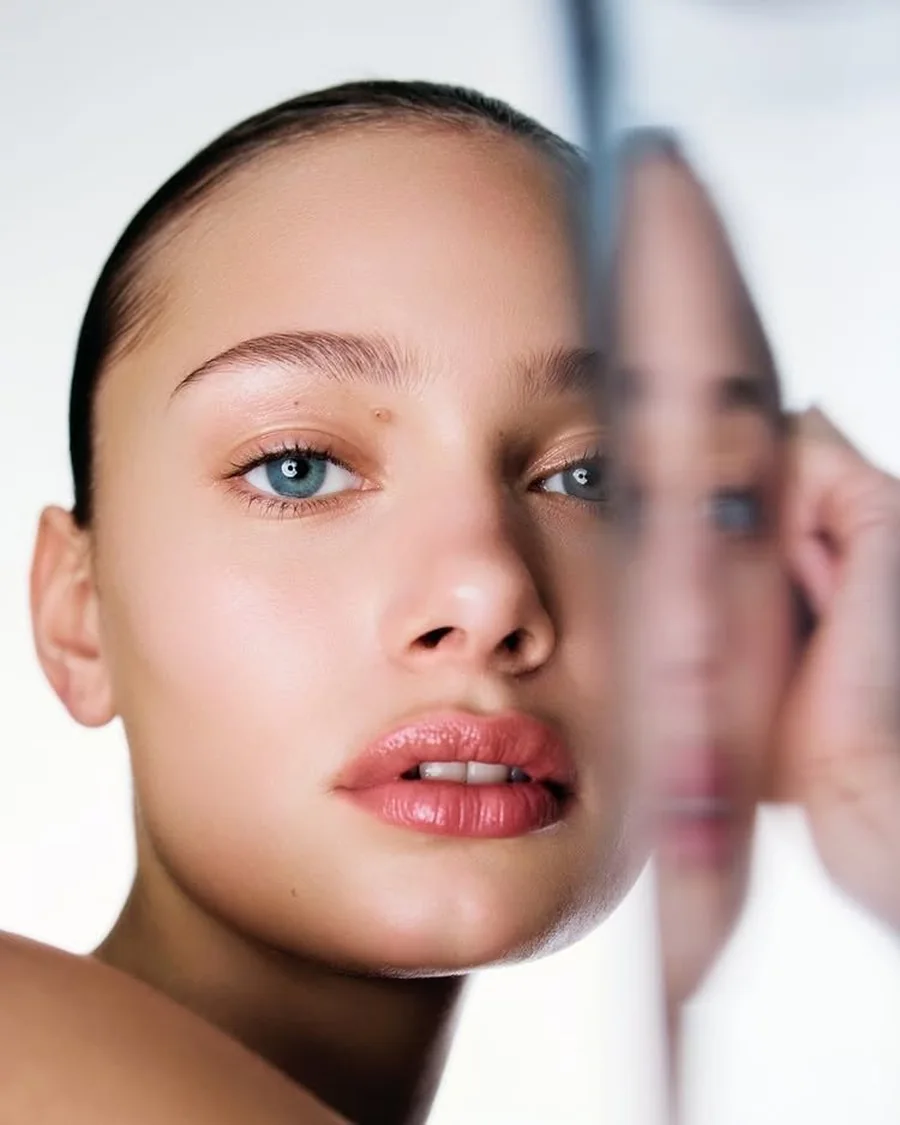
Most people swipe a cream stick straight onto damp base and then drag it out with a brush. Colour grabs where skin is wet, edges go blotchy and bronzer reads muddy by lunch. Once order, placement and tool are matched to skin type and face shape, the same three sticks give lift, warmth and glow that hold through the day.
Pick your stick trio: cream, balm and powder
Start with finish, not shade. Cream blush sticks impart a richer, conditioning texture and tend to complement drier complexions by adding dewiness and radiance. Powder blush gives a soft-focus, velvety wash that layers over any base and diffuses easily, while cream blush melts into cream or liquid foundation for a dewy, skin-like glow.
Payoff is how much colour lands in one pass, and wear time is how long it still reads on skin. Cream blush sticks are designed for cheeks, lips and lids for a monochrome effect, which suits a small kit. Powder blushes, especially matte powders, are described as an option for oilier skin, larger pores or acne-prone skin for a more subtle glow. Into the night powder blushes tend to last longer than cream blushes, which can fade faster and need a touch up for evening. Balm sits between the two in most lines, sheerer than cream and more skin like than powder, although the excerpts do not show how balm sticks differ in payoff, grip and touch-up on oily zones.
Sell-through means how fast a product sells against stock sent to stores. Restock means the same shade returns, while a shade extension means new depths are added. Doors means retail locations. A tight range that stops three shades short sells through in the middle and sits at the ends. For this guide, pick one bronzer stick, one blush stick and one highlighter stick, then learn to sheer them down or build them up.
Sheering means reducing coverage with tool or pressure. Building means adding thin layers and letting each settle. Cream and balm sheer easily with warmth from fingers. Powder sheers with a fluffy brush and a tap-off before touching skin. Finish describes surface light, from matte with no shine to shimmer with visible sparkle. Transfer describes colour moving onto fingers, masks or collars.
A five minute order keeps wet with wet and dry with dry. Bronzer first for warmth or shape, blush second for lift, highlighter last and sparingly where light hits. The safest pairing is creams with creams and powders with powders, because cream over powder can move base and powder over creamy base can grab unevenly. Anna De La Cruz, Glo’s Master Aesthetician, puts it simply: “I’m such a fan of blush, I use both cream and powder,”
Place colour by face shape
Placement changes the read of the face more than shade does. A horizontal sweep reads as width, a diagonal pull toward temples reads as lift and length, and a circular dab on apples reads as softness and fullness. Apples means the rounded part of the cheek that lifts when smiling.
Round faces benefit from blush placed higher on cheekbones blended toward temples, avoiding direct apples which can emphasize roundness. Bronzer for sculpting sits under the cheekbone in a short diagonal, not low near the mouth. Highlighter stays high on the upper cheekbone.
Oval faces can apply blush on the apples and blend outward toward the hairline, or higher along cheekbones for a sculpted look. Choose apples for softness or a higher diagonal for lift. For bronzing only, apply where sun naturally hits, across forehead, along cheekbones, on nose and chin, keeping most colour toward the outer half.
Square faces benefit from blush in rounded circular motion on the apples blended upward toward temples to soften angles. Keep edges diffused so there is no hard line near the jaw. Highlighter stays narrow on the upper cheekbone only.
Long or oblong faces are advised to use horizontal placement across cheeks to add width and balance length. Keep blush more sideways than diagonal, stopping before the temple. Avoid a long downward sculpt that can add length.
Heart-shaped faces are advised to apply blush below the apples and blend downward and outward toward the ears to balance a wider forehead. Heart shape placement varies, with below the apples versus outer apples both in play, so test if you sit between shapes. If the chin is narrow, keep bronzer low and warm rather than sharply sculpted.
Diamond faces are advised to apply blush horizontally across cheekbones focusing on the center and blending toward the center rather than the hairline. Keep bronzer sheer at the perimeter, and highlighter tight on the bone.
Bronzer has two uses, adding warmth for a sun-kissed glow and defining and sculpting to contour the face. For sculpting, reach for a matte bronzer that is not too light in neutral beige or softly cool undertones, while warmer bronzer adds warmth. Undertone means the cool, warm or neutral cast under the surface.
Blend in five minutes with fingers, brush or sponge
Tools change texture. Fluffy, less-dense brushes suit powder for diffused application, while dense stippling brushes or a damp beauty sponge suit cream or liquid blush. Fingers warm cream and balm and melt edges, a fluffy brush keeps powder airy, and a damp sponge presses edges without streaks.
Pressing and stamping colour rather than swiping protects the base, and building in thin layers keeps control. Stamping means pressing straight down and lifting, with no drag. Steph Scalet, Glo’s Global Aesthetics Educator, notes the benefit: “It’s much more buildable, so you can create different effects with just one blush.”
Work in this order. Warm the stick on the back of the hand, then pick up a small amount on tool or fingertip. Stamp bronzer where planned, stamp blush where the shape calls for it, then tap highlighter last. Tap off excess from a brush before touching skin, since most patchiness comes from too much product in the first pass.
Timing helps creams sit evenly. Never apply cream blush over damp or tacky skin, and wait until prep feels smooth and non-sticky, typically 3 to 5 minutes after emollient. Dry-down means the point where liquid or cream no longer feels wet to a light touch. Applying powder blush directly over unset liquid or cream foundation makes powder grab damp areas and create spots that are hard to blend.
If a barrier is needed between creamy base and powder, a light dusting of translucent powder acts as a smoothing barrier between creamy foundation and powder blush when used sparingly. Keep it sheer so skin still reads like skin. Finish by pressing edges with a clean sponge or fingertip until there is no visible start or stop point.
Avoid patchiness on dry or oily skin
Dry skin patches when cream meets flake or tacky prep. Oily skin patches when powder meets wet base or when cream slides in warmth. Larger pores and acne-prone areas catch shimmer and heavy pigment, so keep those zones matte and thin.
For dry skin, smooth and wait. Let moisturiser or sunscreen settle until skin feels smooth and non-sticky, typically 3 to 5 minutes after emollient. Then use cream or balm and melt with fingers. Stamp, do not swipe, and build in two sheer passes rather than one heavy pass.
For oily skin, set lightly and match textures. Let foundation dry, then set only where shine breaks through first, usually centre forehead, sides of nose and chin. Keep bronzer matte through the T zone and save balm glow for upper cheekbones if it holds. If shine returns, press with a clean sponge instead of adding powder, which can cake.
Texture order prevents grabbing and sliding. Let foundation dry before powder, and avoid powder on a wet base even when rushing. Cream over powder can lock colour for some artists but can pick up and move base for others, so order and a light hand matter more than a single rule.
Two backstage methods use layering to extend wear. A popular artist technique layers powder blush over cream blush in a similar shade to lock in colour and add dimension, called a blush sandwich. Patrick Ta presses creme blush over powder blush so the powder sets the tone and the cream adds melt on top. Keep the two blushes in a similar shade family so layering adds depth rather than a new colour.
Fix patches without starting over. For powder spots, sweep a clean fluffy brush in light circles with no added product. For cream streaks, tap with a damp sponge to press colour back. For bare spots, warm a little foundation on the hand, press it in, let it settle, then re-stamp blush thinly. Wear time really depends on routine, with powder lasting longer into the night for some and cream with kaolin clay anchoring longer than powder alone for others.
Carry one stick for touch ups
One stick beats three for a bag and for consistency. Cream blush sticks are designed for cheeks, lips and lids for a monochrome effect, which keeps touch-ups in one colour story. The best single multitask shade across skin tones is not settled. A medium rose, peach or warm neutral in satin usually presses over midday fade without turning ashy or muddy.
Warm the stick on the back of hand before touching the face. Pick up colour on a fingertip, not straight from bullet to cheek at noon, since direct swipe lays down too much over set base. Press over fade through the centre of original placement, then tap outward. Lips and lids take the same shade in a smaller amount, blotted rather than layered.
Leave heavy powder and strong shimmer at home, since both can pill over midday oil and emphasise texture. Pilling means small rolls when a new layer disturbs a set layer. Keep blotting tissue or one sheer setting powder for the T zone if oil breaks through, then re-press blush only where colour faded.
Control amount and transfer. Tap off excess, build thinly, and keep touch-up inside the original shape zone. Cream fades faster for many wearers and needs a touch-up for evening, so check at the five hour mark in daylight. If bronzer separated near the nose or chin, press it back with a clean fingertip instead of layering fresh warmth. Store the stick clean and capped, out of heat that softens the bullet.
The checklist
Sources and further reading
- Why Does My Blush Look Patchy and Uneven? · makeup.com
- Where To Apply Blush According To Your Face Shape · patrickta.com
- Where to Apply Blush for Your Face Shape Ulta Beauty · ulta.com
- How To Apply Cream Blush So It Doesn’t Streak On Dry Patches — Emollient Matching Tips · telectronichub.com
- Cream Blush vs Powder Blush · gloskinbeauty.com
- How to Apply Blush on Different Face Shapes · lipstickqueen.com
For information only, not medical advice. Shade and wear notes reflect our testers' skin; patch test anything new, and check the full ingredient list if you have allergies or sensitive skin.

Whitney Doyle
Whitney runs the news desk and the kit guides at Gloss Report. She keeps one spreadsheet of every launch date, restock and shade extension of the year, and can usually tell you the week a blush sold out and the week it came back.
More from Whitney Doyle →